
Diesel Generator Price: 50 Hz Models & Quote Guide
Diesel Generator Price: 50 Hz Models & Quote Guide
If you are researching diesel generator price, the first step is to define the required power, duty rating, frequency and voltage. The available model specifications provide ratings and electrical details, but they do not include prices. For a project in Russia, use the examples below to identify a suitable capacity range, then request a written quotation against your load data and confirm that the proposed configuration meets the site’s requirements.
A price comparison is useful only when the quotations cover equivalent configurations. A 20 kW prime-rated unit and a 20 kW standby-rated unit are not necessarily comparable choices for the same duty. Likewise, a model listed at 50 Hz should not be treated as a match for a project that requires a different frequency. Share the intended operating role, load profile, voltage and site details when asking for a quote.
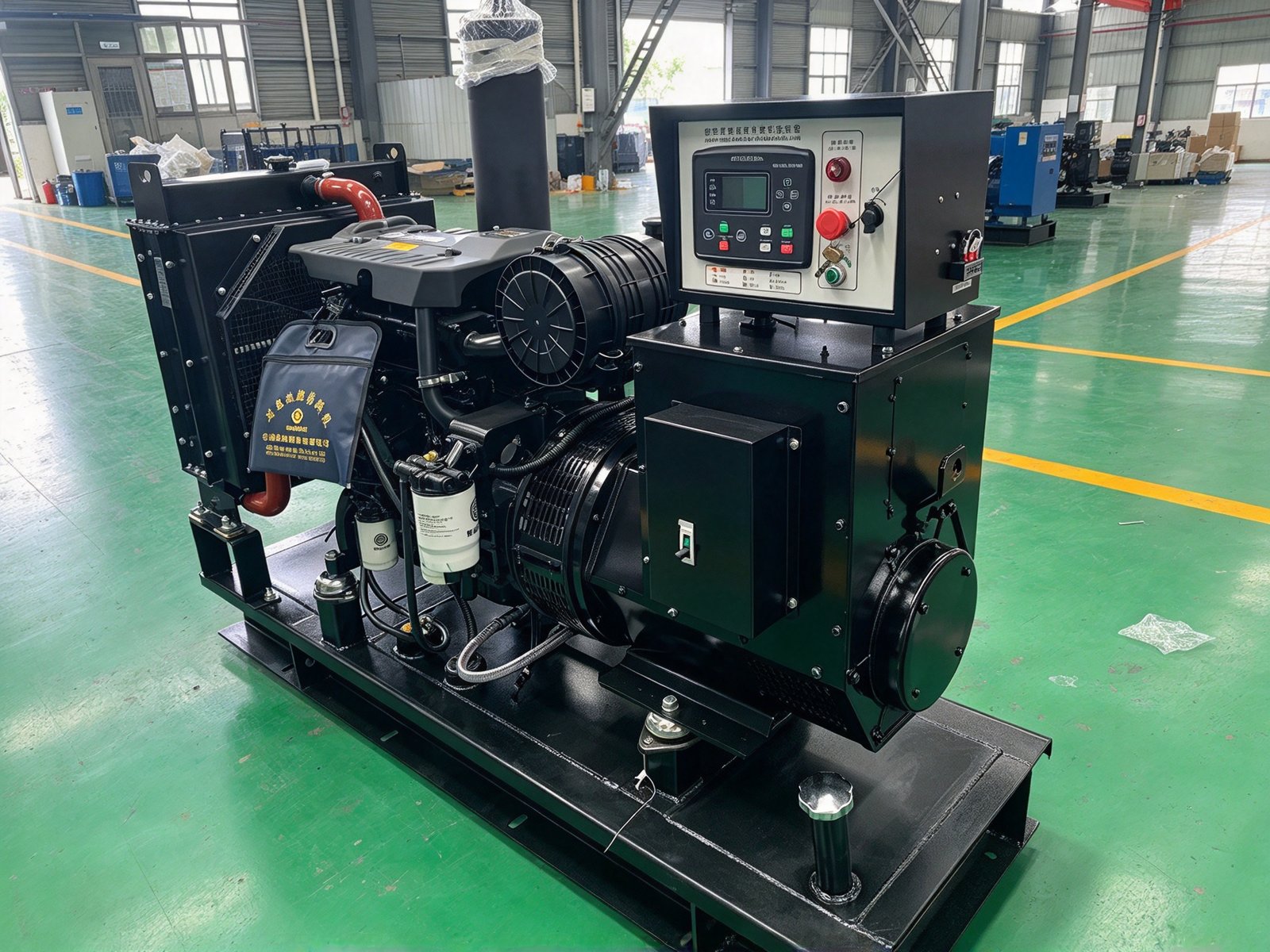
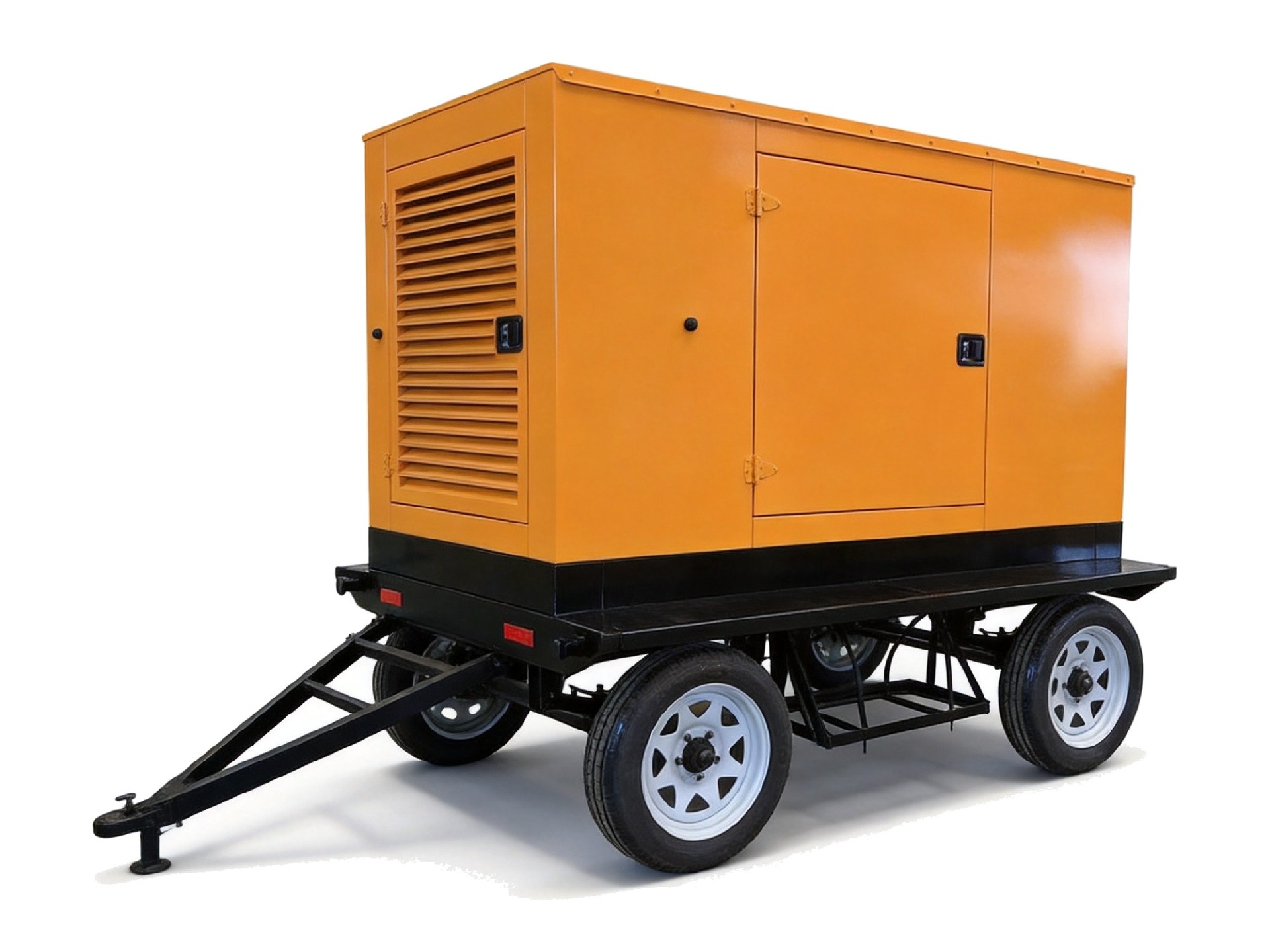
Illustrative generator photo; exact enclosure, frequency and configuration may differ from the model discussed.
Diesel generator price: what the available model data tells you
The model data below gives a starting point for comparing capacity and electrical output. Each listed model operates at 50 Hz. Voltage differs on the 3,000 kW model, so check that detail carefully when shortlisting. No price, currency or commercial offer is provided for these models.
- KC-DC20G: 20 kW prime power and 22 kW standby power; 50 Hz; 400/230 V. Engine model 4B3.9-G1; alternator model KCI-20. The listed governor is mechanical. (P1)
- KC-W64Y88: 64 kW prime power and 70 kW standby power; 50 Hz; 400/230 V. Engine model WP4.1D80E200; alternator model KCI-64. Electronic governor. (P2)
- KC-P160: 160 kW prime power and 176 kW standby power; 50 Hz; 230/400 V. Engine model 1106A-70TAG4; alternator model KCI-160. (P3)
- KCV-282GF: 282 kW prime power and 310 kW standby power; 50 Hz; 400/230 V. Engine model TAD1342GE-B; alternator model KCI-282. (P4)
- KC-450: 450 kW prime power and 500 kW standby power; 50 Hz; 400/230 V. Engine model KCV550; alternator model KCI-450. (P5)
- KC-C650: 650 kW prime power and 700 kW standby power; 50 Hz; 400/230 V. Engine model KTA38-G2E; alternator model KCI-650. (P6)
- KC-S1118: 1,118 kW prime power and 1,229.8 kW standby power; 50 Hz; 400/230 V. Engine model 6WTAA35-G313; alternator model KCI-1118. (P7)
- KC-YC3000: 3,000 kW prime power and 3,300 kW standby power; 50 Hz; 380/220 V. Engine model YC16VC4900-D30; alternator model KCI-3000. (P8)
These examples are not a price list, and they do not establish that every model is suitable for every Russian project. They are reference points for a technical inquiry. Confirm the required frequency, voltage, power rating and other site conditions before comparing offers. The listed emission classifications are China Stage II or China Stage III for some models; do not assume that these classifications establish compliance with requirements in Russia.
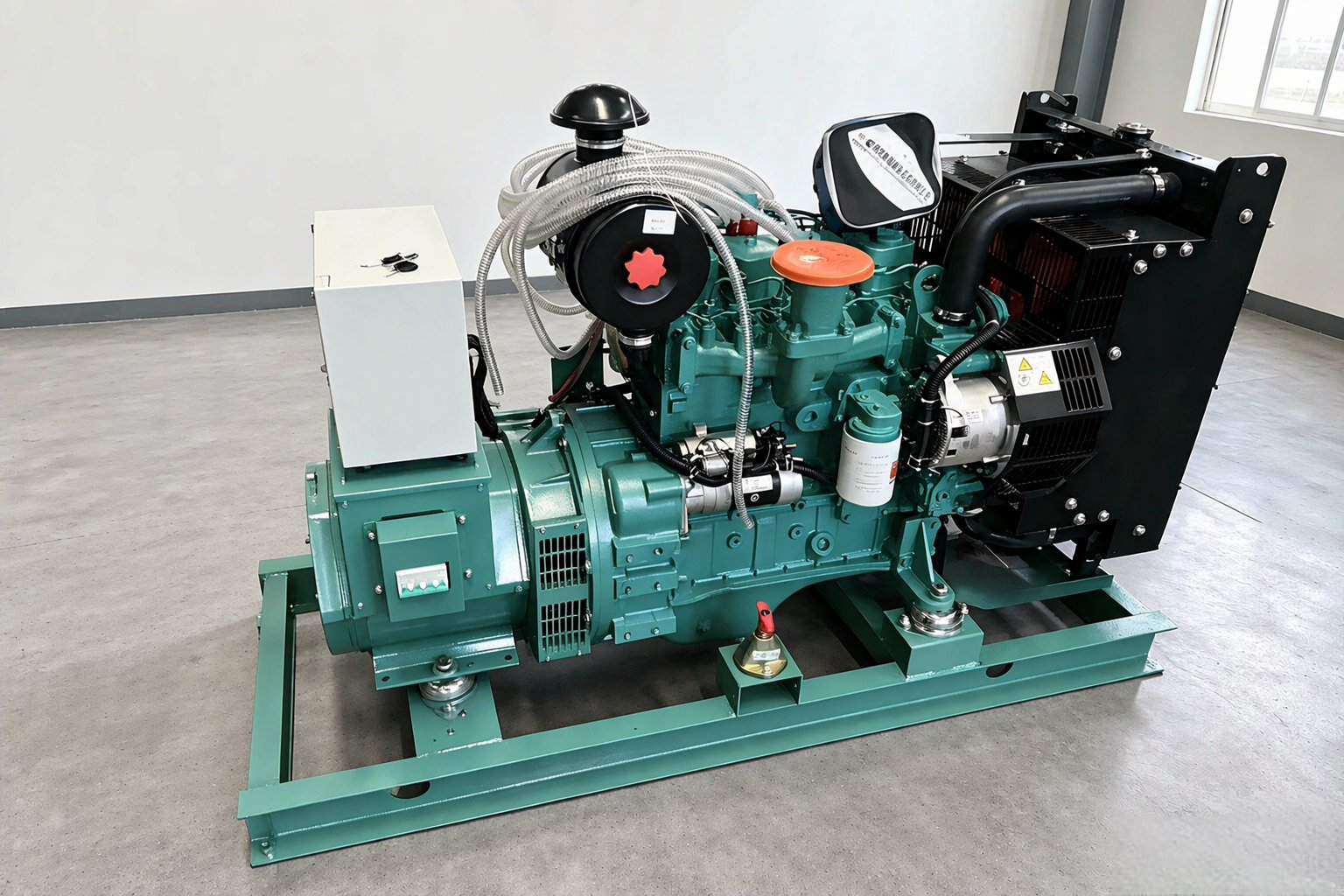
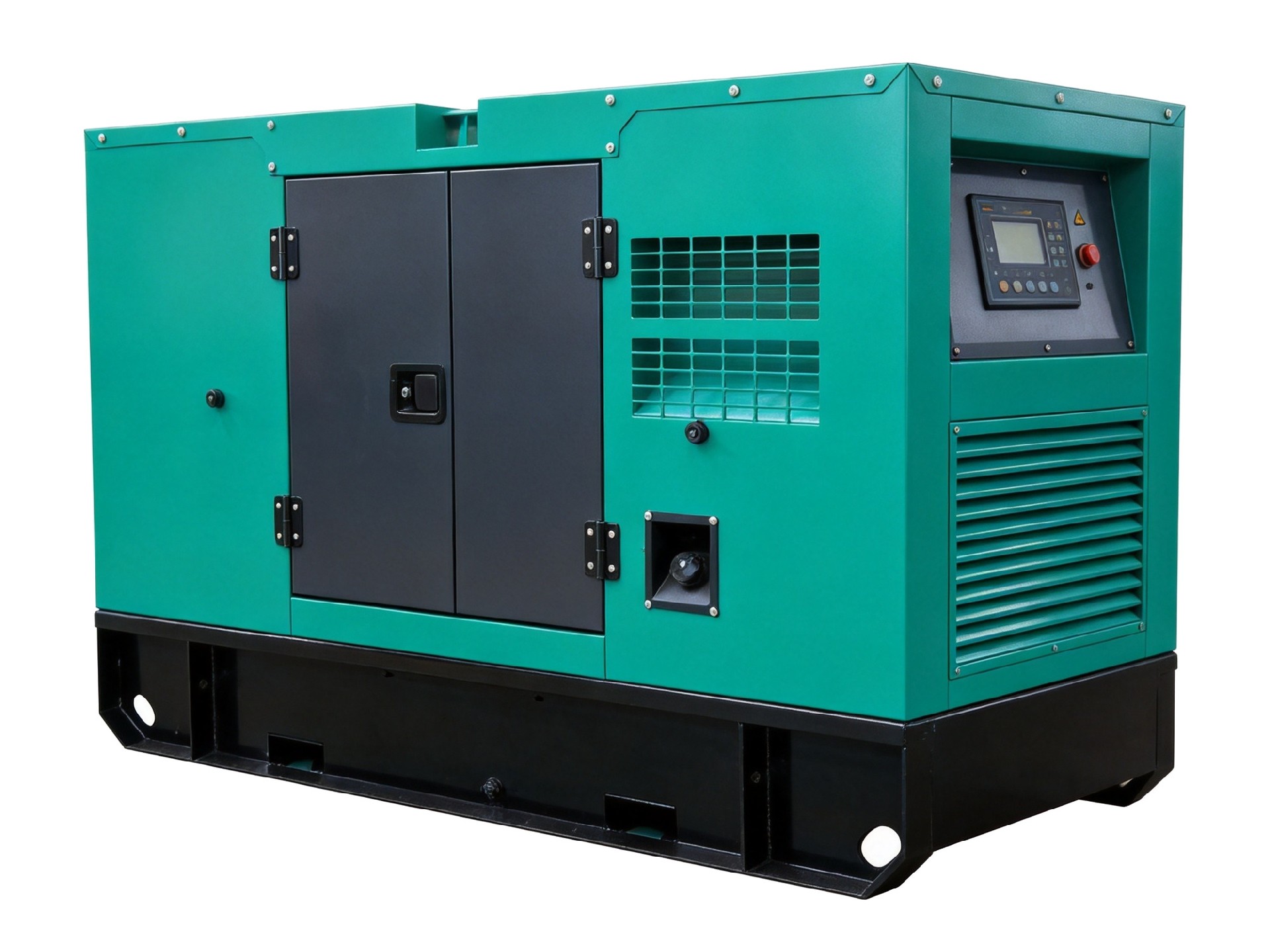
Illustrative generator photo; exact enclosure, frequency and configuration may differ from the model discussed.
Choose capacity using the actual load, not a headline rating
Start with a load schedule for the equipment the generator is expected to supply. Record each load’s power demand and identify which loads may operate at the same time. Include equipment that starts intermittently as well as loads that run continuously. Give the supplier the totals and the operating sequence so the proposed rating can be checked against the real demand.
Do not select a model solely because its headline kW number appears close to the estimated load. The product examples distinguish prime power from standby power, and those figures are not interchangeable labels. State whether the generator will be used for the project’s normal operating supply, emergency standby, or another defined role. Ask the supplier to confirm which rating applies to that role and how the rated capacity should be interpreted for your operating pattern.
For example, a facility planning around a 64 kW prime requirement can use the KC-W64Y88 as a model to discuss, since it is listed at 64 kW prime and 70 kW standby. A larger project with a stated 450 kW prime requirement can compare its load schedule with the KC-450’s 450 kW prime and 500 kW standby figures. These are specification comparisons, not recommendations: final selection depends on the site load and required operating conditions.
If the project has several large loads, ask the supplier to review the complete load schedule rather than submitting only a single total. Confirm whether the capacity requested is prime or standby, and have the same basis used in every quotation. This makes commercial comparisons clearer and helps avoid comparing different rating assumptions.
Confirm frequency and voltage before requesting a diesel generator price
Frequency and voltage are essential details for matching a generator to the project. All eight examples above are listed as 50 Hz models. Most list 400/230 V or 230/400 V, while the KC-YC3000 is listed at 380/220 V. These values should be checked against the project’s specified supply and equipment requirements; do not assume that two different voltage listings are interchangeable.
For a Russian project, state the required frequency and voltage in the inquiry and ask for written confirmation against the exact model and configuration being quoted. Also confirm any required connection arrangement with the supplier and the project’s electrical team. The available data lists three-phase, four-wire, Y connection for these examples, but it does not confirm suitability for a particular installation.
If the project specification requires 60 Hz or a voltage not shown in the model data, ask whether a matching configuration is available. The information here does not establish availability of other frequencies or voltages. Do not compare a quotation until the proposed output matches the project’s stated requirements.
Build a comparable request for quotation
Send the same information to each supplier you are evaluating. A clear inquiry can include:
- Required prime and standby power, stated separately where applicable.
- The load schedule, including simultaneous operation and significant starting loads.
- Required frequency, voltage and connection arrangement.
- Intended duty: normal operation, standby or another stated use.
- Site location and installation conditions that may affect the configuration.
- Any required enclosure, control, fuel-system or other options, described in the project specification.
- Applicable emissions, documentation and acceptance requirements for the destination and project.
- The requested commercial scope, including the items you want the quotation to cover.
Ask the supplier to identify the exact model, rating basis, voltage, frequency and included configuration in its offer. For procurement teams, this creates a better basis for technical review and helps distinguish a difference in scope from a difference in price. Request clarification for any item that is not stated rather than assuming it is included.
No currency, price, delivery schedule, shipping scope, payment terms, warranty, certification or Russia-specific compliance information is provided for the models in this article. Ask for those details in the quotation and verify technical and regulatory requirements with the appropriate project stakeholders. A model’s listed China Stage emission category should not be used as proof of compliance with a destination requirement.
Next step: request a project-specific quotation
To request a diesel generator price, submit your target prime and standby ratings, load schedule, frequency, voltage, installation location and required commercial scope. Include any project documents that define electrical or emissions requirements, and ask the supplier to confirm the proposed model against them. If you are comparing multiple capacities, identify the operating role for each option and ask for the same scope and rating basis in every offer.
The product data gives a selection starting point—from 20 kW prime power through 3,000 kW prime power—but it does not provide a purchase price or confirm the suitability of a model for a particular site. A written quotation based on your project requirements is necessary to establish the price and included scope. Confirm the proposed configuration and destination requirements before placing an order.
FAQ
Are prices listed for the diesel generator models in this guide?
No. The available model information lists technical specifications but does not provide prices or currency. Request a written quotation with the required power rating, frequency, voltage, configuration and commercial scope.
What maintenance interval is stated for these generator sets?
The maintenance guidance specifies a first service after 50 hours, including changing the engine oil, oil filter and diesel filter. Routine service is stated at every 200–250 hours, with an annual comprehensive inspection. Confirm the applicable maintenance schedule for the exact model.
Stay Updated with Our News
Subscribe to our newsletter for the latest industry insights and product updates.