
Diesel Generator Set Price: Models & Quote Guide
Diesel Generator Set Price: Models & Quote Guide
A diesel generator set price cannot be established from power rating alone: a useful quotation needs the required prime or standby capacity, voltage, frequency, engine and configuration. Published prices are not available for the models outlined here, so procurement teams in South Africa should request a project-specific quotation and confirm that the proposed electrical output and equipment arrangement suit the site. The examples below show available 50 Hz models from 20 kW to 3,000 kW, giving buyers a starting point for comparing capacity and model details without treating a sample specification as a price offer.
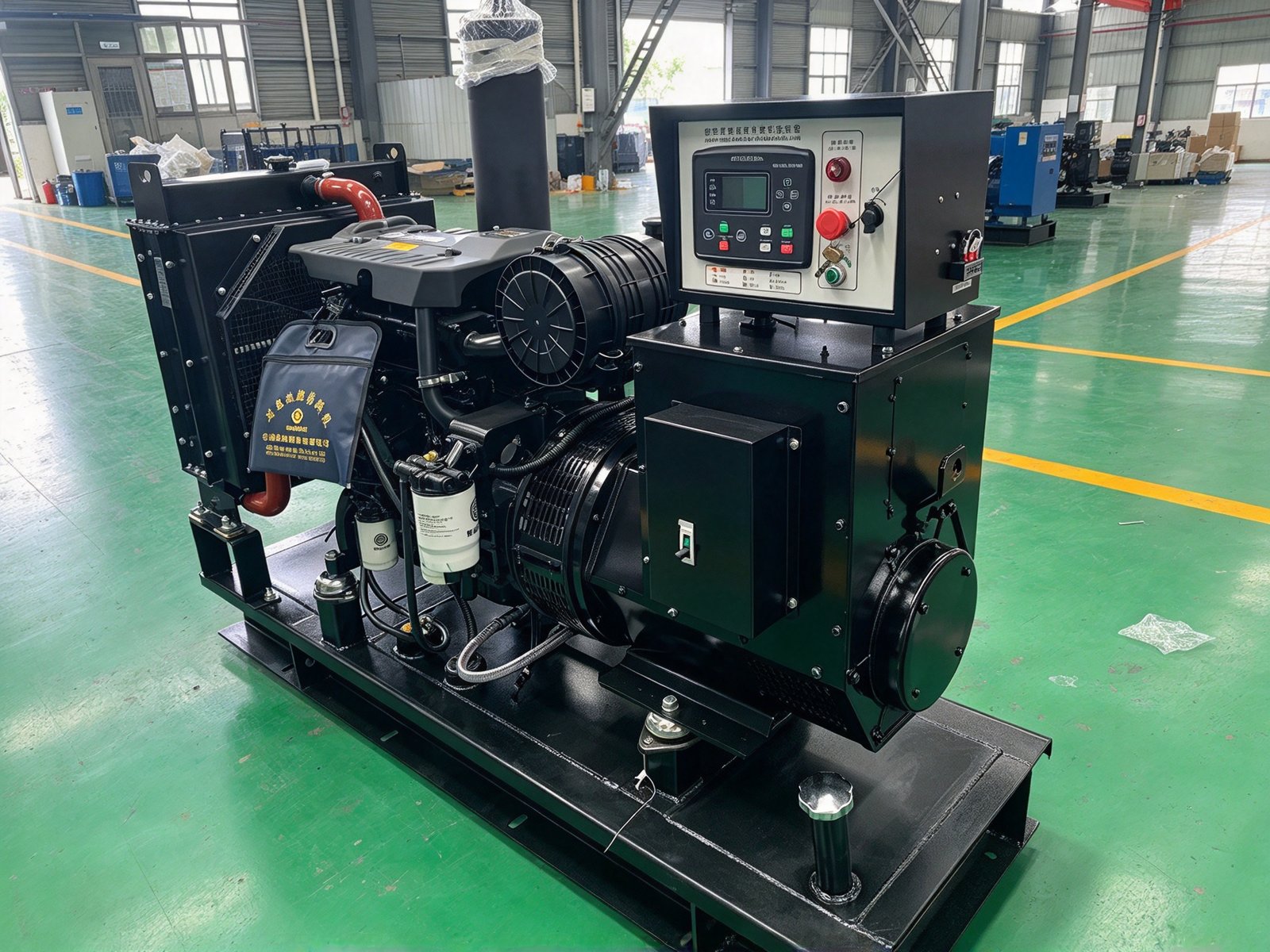
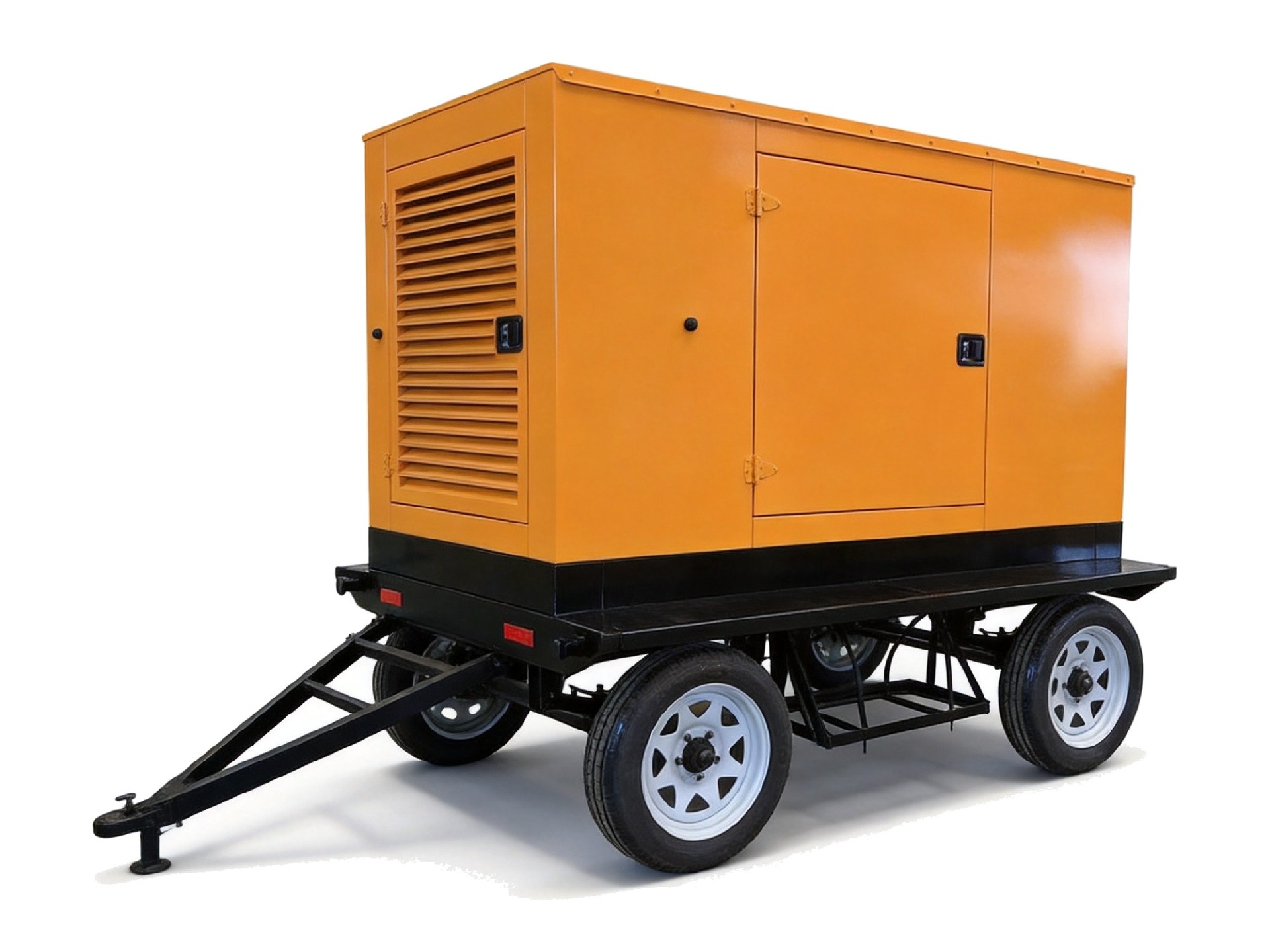
Illustrative generator photo; exact enclosure, frequency and configuration may differ from the model discussed.
What affects diesel generator set price?
When requesting a price, give suppliers a consistent project brief. That makes it easier to compare quotations on equivalent equipment rather than comparing a basic generator set with a differently configured package. Ask the supplier to identify the model, rated duty, included equipment and any options that affect the delivered scope.
Useful quotation inputs include:
- Required load and duty: State the expected operating load and whether the set is being considered for prime power, standby power, or both. Confirm which rating applies to the proposed operating pattern.
- Electrical output: Specify the required voltage, phase arrangement and frequency. Do not assume that a model’s listed output matches your site; verify it against the project design and connected equipment.
- Engine and alternator: Request the exact engine and alternator models in the offer, and check them against the proposed generator set specification.
- Installation configuration: Explain the installation location and space constraints. Ask the supplier to state what is included in the quoted configuration rather than assuming that accessories or site work are part of the price.
- Commercial scope: Ask for the price currency, included items, exclusions, delivery terms and any applicable taxes or charges to be stated clearly in the quotation. These details are not specified in the product examples below.
For South African projects, treat local requirements as items to verify with the project’s electrical, procurement and compliance teams. Confirm the required frequency and voltage, applicable approvals, installation scope, transport arrangements and local support directly with the supplier. Do not infer these from a model listing.
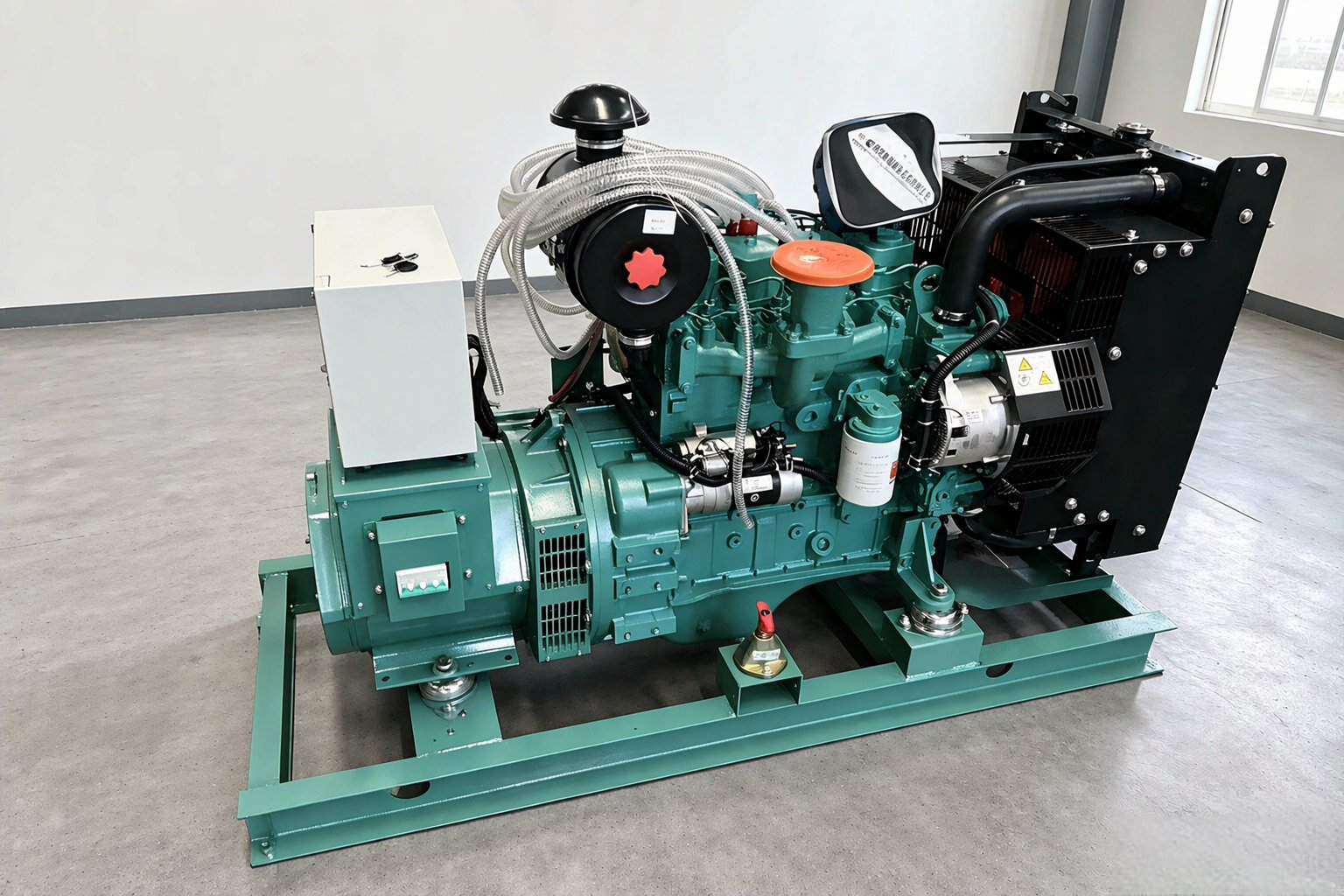
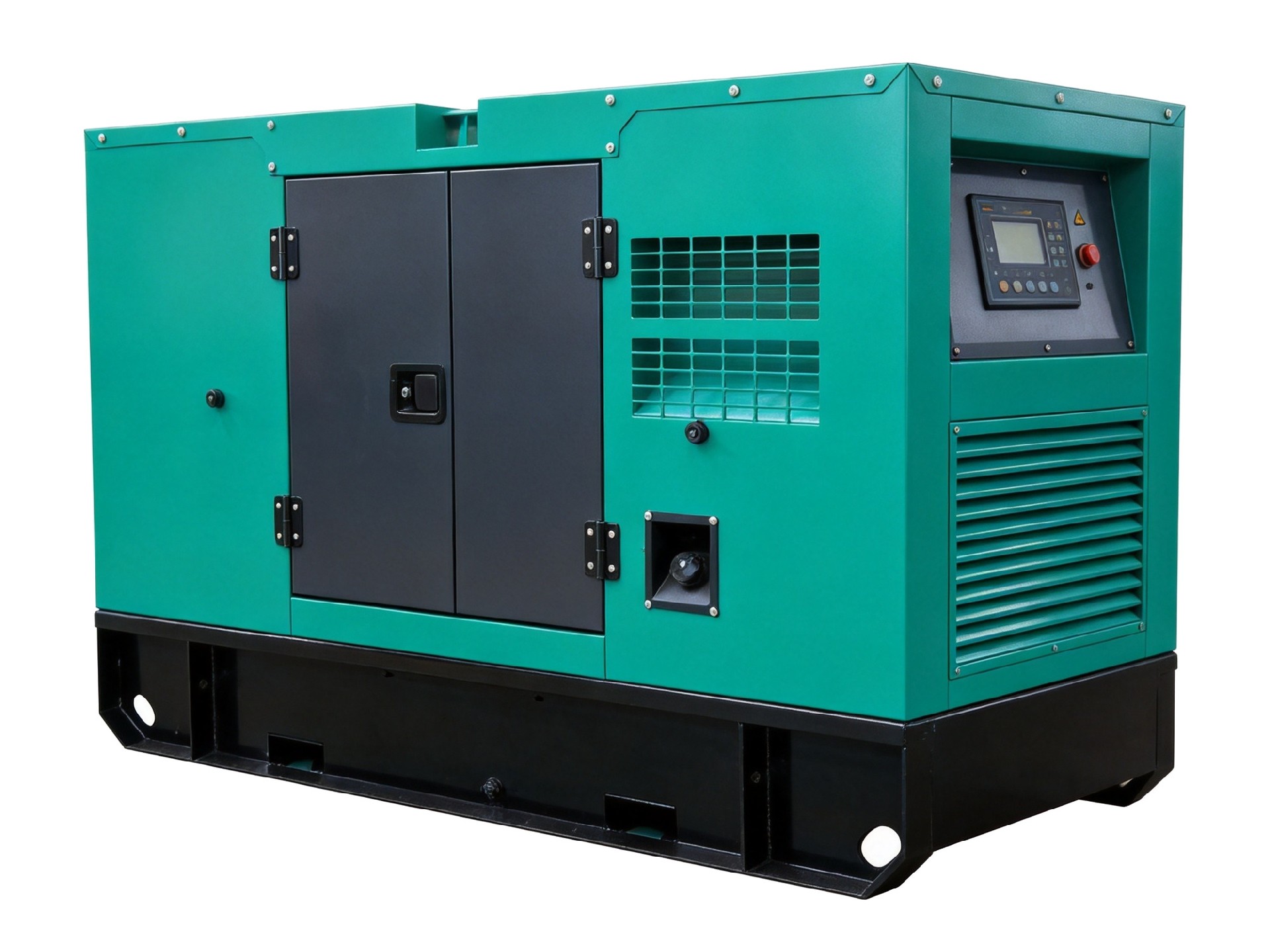
Illustrative generator photo; exact enclosure, frequency and configuration may differ from the model discussed.
Compare prime and standby ratings before comparing prices
A generator set’s prime power and standby power are separate ratings, not interchangeable figures. Match the rating in the quotation to the duty you need, and have the supplier confirm that the proposed rating is appropriate for the expected load profile. A quotation based on the standby figure should not be compared with one based on prime power without first reconciling the duty basis.
Use the following information to establish a sensible capacity request:
- List the equipment and loads the generator will supply, including which items may operate at the same time.
- Identify loads that start or change substantially, and ask the project engineer or supplier to account for them in the sizing review.
- Separate essential loads from loads that can be excluded during an outage or other operating condition.
- Share the expected operating pattern and whether the set is intended for regular operation, backup, or another duty. Ask the supplier to confirm the rating basis in writing.
- Compare the resulting recommended capacity with the model’s stated prime and standby kW ratings, not only with a headline model number.
These steps are a procurement framework, not a substitute for an electrical load assessment. The available product details do not provide a sizing calculation for a particular facility, so buyers should submit their load schedule and operating requirements for review.
50 Hz model examples and listed output
The following examples have a listed frequency of 50 Hz. Voltage and capacity differ across models, so verify the precise output required for your project before requesting a quote. Ratings are shown in kW because kVA values are not provided for these examples.
- KC-DC20G: 20 kW prime power and 22 kW standby power; 400/230 V; 50 Hz. It uses a 4B3.9-G1 diesel engine and a KCI-20 alternator. The listed emission classification is China Stage II.
- KC-W64Y88: 64 kW prime power and 70 kW standby power; 400/230 V; 50 Hz. The engine is WP4.1D80E200 and the alternator is KCI-64. The listed emission classification is China Stage II.
- KC-P160: 160 kW prime power and 176 kW standby power; 230/400 V; 50 Hz. It is specified with a 1106A-70TAG4 engine and KCI-160 alternator. No emission classification is listed in the supplied product details.
- KCV-282GF: 282 kW prime power and 310 kW standby power; 400/230 V; 50 Hz. It uses a TAD1342GE-B engine and KCI-282 alternator. The listed emission classification is China Stage II.
- KC-450: 450 kW prime power and 500 kW standby power; 400/230 V; 50 Hz. Its listed engine is KCV550 and its alternator is KCI-450. The listed emission classification is China Stage II.
- KC-C650: 650 kW prime power and 700 kW standby power; 400/230 V; 50 Hz. It uses a KTA38-G2E engine and KCI-650 alternator. The listed emission classification is China Stage III.
- KC-S1118: 1,118 kW prime power and 1,229.8 kW standby power; 400/230 V; 50 Hz. The engine is 6WTAA35-G313 and the alternator is KCI-1118. The listed emission classification is China Stage III.
- KC-YC3000: 3,000 kW prime power and 3,300 kW standby power; 380/220 V; 50 Hz. It is specified with a YC16VC4900-D30 engine and KCI-3000 alternator. The listed emission classification is China Stage III. Its stated dimensions and weight are marked as reference values in the product details.
This range helps frame an initial capacity discussion, but it does not establish that every listed model is suitable for every application or available in a requested configuration. For example, a buyer comparing a 400/230 V option with the KC-YC3000’s listed 380/220 V output should first confirm the required voltage with the project engineer and supplier. Similarly, confirm whether the listed emission classification meets the project’s requirements rather than assuming it does.
Match frequency, voltage and configuration to the project
Frequency and voltage are key items to confirm before evaluating price. The examples above are listed at 50 Hz, but the stated voltage varies: most examples show 400/230 V, the KC-P160 shows 230/400 V, and the KC-YC3000 shows 380/220 V. Treat those values as model specifications, not an indication that any one output is appropriate for your facility.
In a request for quotation, state the required output exactly and ask the supplier to confirm it against the offered model. Also confirm the phase and connection requirements. Several examples specify a three-phase, four-wire, Y connection, but the product details should be checked for the exact model being quoted. If the project needs an output or frequency not shown here, request written confirmation rather than assuming a standard conversion or alternative is available.
Physical dimensions and weight may also matter for an installation plan. For example, the KC-DC20G is listed at 1,700 × 750 × 1,100 mm and 750 kg; the KC-P160 is listed at 2,800 × 950 × 1,450 mm and 2,100 kg; and the KC-C650 is listed at 4,300 × 1,700 × 2,450 mm and 7,500 kg. Confirm the current offered specification and the space, access and handling requirements for the installation. The figures do not include any unstated clearance or lifting guidance.
Turn the model shortlist into a comparable quote
Once the likely capacity range is known, send each supplier the same written requirements. Include the load information, duty rating, required voltage and frequency, site location, installation constraints and intended application. Ask the quotation to identify the generator set model, prime and standby ratings, engine, alternator, output, included configuration, exclusions and price basis.
For a South African procurement, also ask the supplier to confirm directly whether the offered product and proposed delivery, installation and support arrangements meet your project’s needs. Availability, local service coverage, shipping arrangements, approvals, prices and delivery times are not established by the model details presented here. Get those items confirmed in the quotation or project documentation before comparing bids.
A clear quote request helps procurement teams, distributors, EPC contractors and facility engineers compare like with like. To start, share your required kW, prime or standby duty, 50 Hz electrical output requirements, application and site constraints, then request a written quotation for the model or capacity range under consideration.
FAQ
What routine maintenance intervals are listed for these generator sets?
The maintenance guidance specifies an initial service after 50 hours, including an oil, oil filter and fuel filter change. Routine maintenance is listed every 200–250 hours, covering oil and filter changes, belt, coolant, battery, pipework and fastener checks, and cleaning the air filter and radiator. A comprehensive inspection is listed annually.
What should be checked if a generator set stops and will not restart?
Check the controller’s fault history first. If overspeed, high-temperature or low-oil-pressure protection has activated, the guidance says to reset the protection manually. If there is no fault code, check the battery and fuel system.
What should be checked if a generator set reports high temperature?
The guidance recommends checking coolant level, radiator blockage, fan speed, thermostat and water-pump operation. It also advises cleaning the radiator cooling system and checking for blockage or restricted coolant circulation.
Stay Updated with Our News
Subscribe to our newsletter for the latest industry insights and product updates.