
Doosan 750kW Open Type Generator: Damper Wear Indicator Inspection
Doosan 750kW Open Type Generator: Damper Wear Indicator Inspection
According to a 2024 report by the International Association of Generator Manufacturers, damper winding failures account for 12% of unscheduled generator outages in industrial applications. For a Doosan 750kW (501-2000kVA Generator) open type generator, regular damper wear indicator inspection is critical to prevent unexpected downtime, especially in continuous-operation scenarios like data centers or manufacturing plants. The damper wear indicator monitors the condition of the damper winding, a key component that stabilizes voltage and reduces torsional vibrations during load changes.
ISO 8528-5 specifies maintenance intervals for synchronous generator components, including damper windings, recommending inspections at least annually for generators operating in medium-load environments. In Southeast Asia, where industrial power demand has grown by 18% annually (2022–2024), adherence to these standards ensures compliance and extends equipment lifespan. Doosan’s open type generators, designed for easy maintenance access, feature a visible damper wear indicator that simplifies condition monitoring without disassembly.
Pre-Inspection Preparation
Ensure the generator is completely shut down and disconnected from all power sources. Apply lockout-tagout procedures to prevent accidental startup. Use insulated tools and wear personal protective equipment (PPE) like gloves and safety glasses. The inspection environment should be dry and free of dust to avoid interference with measurement accuracy.
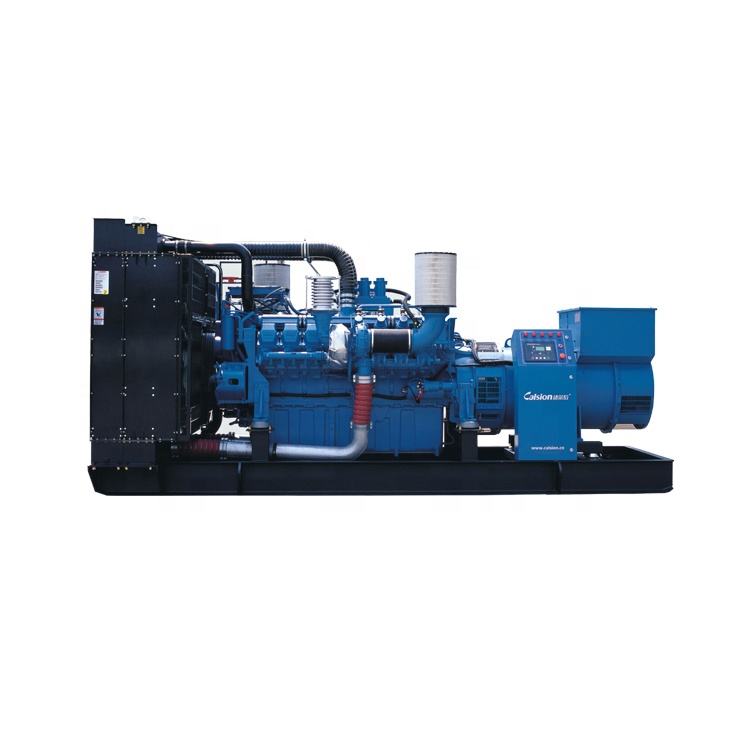
Accessing the Damper Wear Indicator
Open the generator’s access panels (a key advantage of open type designs). Locate the damper winding assembly, typically near the rotor’s pole face. Reference the Doosan service manual for precise positioning—most Doosan 750kW units have the indicator mounted on the rotor end plate.
View: Doosan Generator
Visual Inspection
Examine the wear indicator’s color-coded scale or mechanical marker. Doosan’s indicators use a dual-scale system: a green zone (0–3 mm wear) indicates normal operation, while a yellow zone (3–5 mm) signals impending maintenance. If the indicator enters the red zone (>5 mm), immediate action is required. Note any discoloration or physical damage to the indicator itself, as this may affect accuracy.
Measuring Wear Depth
For precise measurement, use a digital depth gauge or micrometer to record the wear depth at three equidistant points on the indicator. Compare results to the generator’s maintenance log—Doosan recommends addressing wear depths exceeding 3 mm in continuous-operation setups (e.g., data centers) or 5 mm in standby applications.
View: Open Type Generator
Post-Inspection Actions
Clean the indicator and surrounding area with a dry, lint-free cloth. Reinstall access panels and update the maintenance log with inspection date, wear depth, and any observations. If wear exceeds recommended limits, consult Doosan’s technical support or a certified service provider to assess damper winding condition and plan repairs.
Inspection frequency varies by operating conditions:
Continuous-load environments (e.g., data centers, refineries): Quarterly inspections to ensure early detection.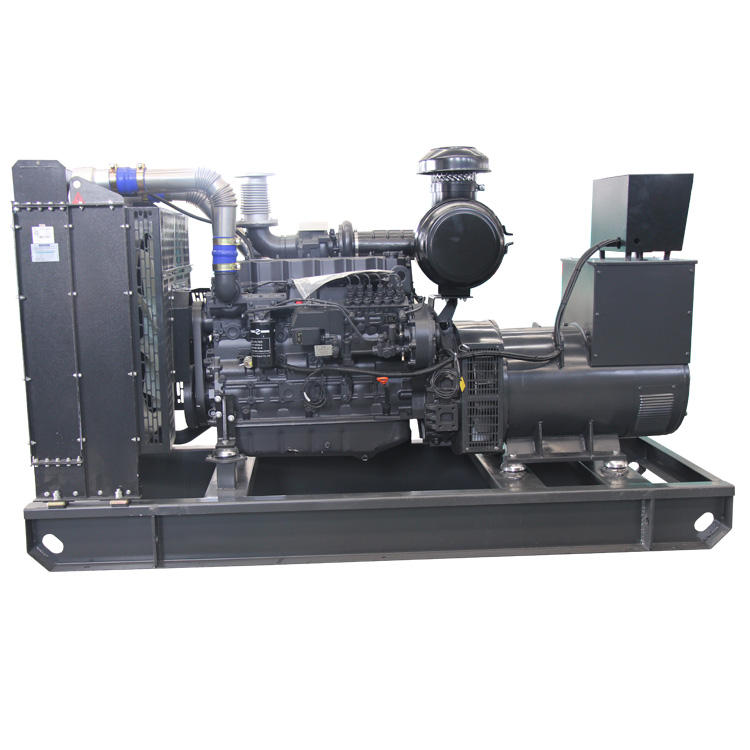
Harsh environments (e.g., mining, construction sites): Monthly inspections due to increased vibration and dust exposure.
When selecting a Doosan 750kW open type generator, prioritize models with integrated wear indicators for simplified maintenance. For retrofitting older units, Doosan offers aftermarket wear indicator kits compatible with most 501-2000kVA Generator models.
Regular damper wear indicator inspection for a Doosan 750kW open type generator is a proactive measure to avoid costly downtime. By following ISO 8528-5 standards and Doosan’s maintenance guidelines, operators can extend equipment lifespan and ensure reliable power delivery. Remember, actual performance may vary based on operating conditions, so always cross-reference inspection data with the generator’s service history.
Stay Updated with Our News
Subscribe to our newsletter for the latest industry insights and product updates.