
Volvo 800kW Generator: Radiator Sizing Calculation Method
Volvo 800kW Generator: Radiator Sizing Calculation Method
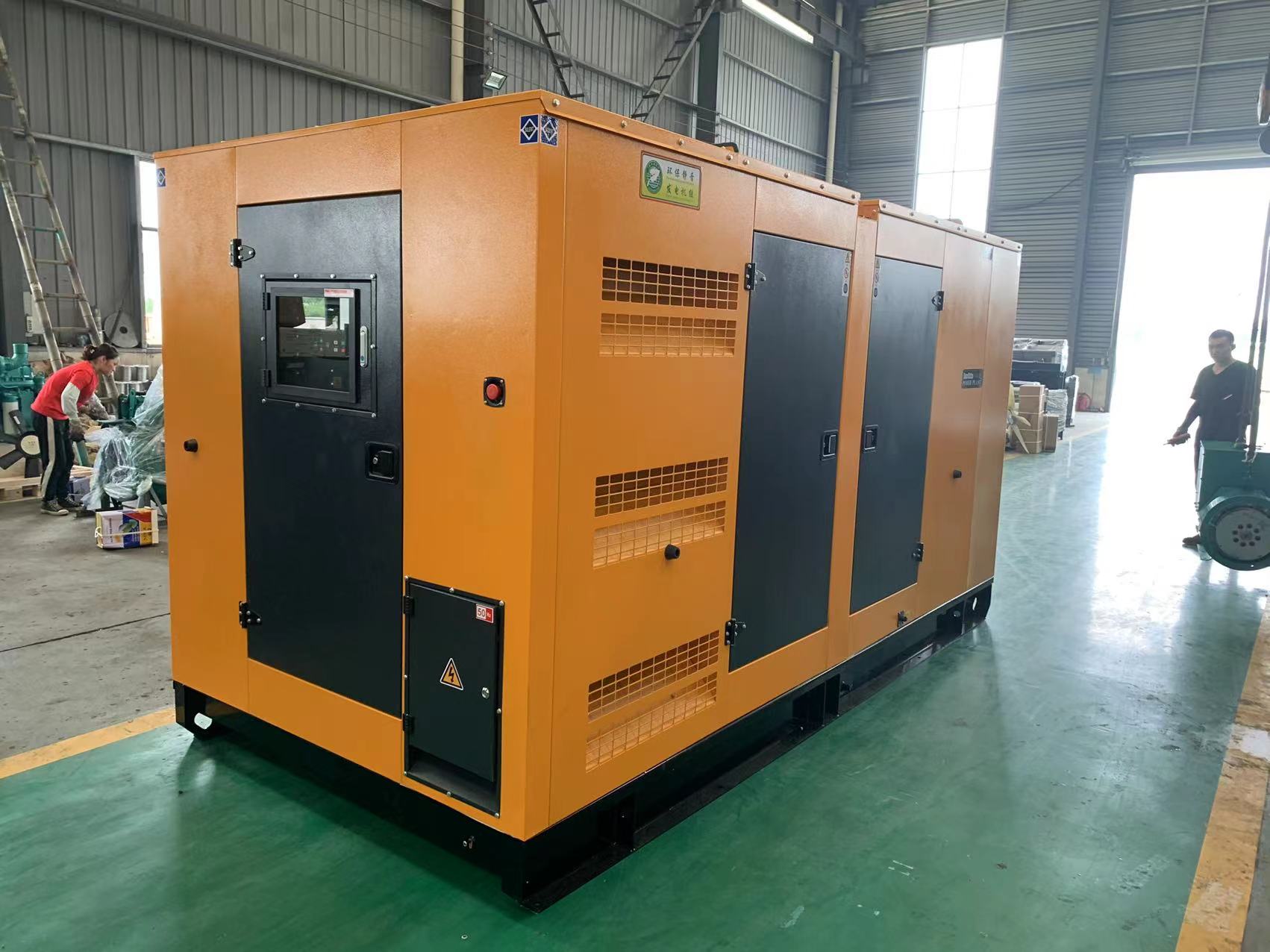
Diesel generators like the Volvo 800kW Generator play a critical role in powering data centers, industrial facilities, and emergency backup systems. Efficient radiator sizing is essential to maintain optimal operating temperatures, as overheating can reduce engine lifespan by up to 50% (source: EGSA 2024 Cooling Efficiency Report). The Volvo 800kW Generator, with its robust Volvo D16 engine platform, requires precise radiator sizing to balance cooling capacity with space constraints.
The heat generated by a diesel engine is a byproduct of energy conversion—only 30–40% of fuel energy becomes mechanical power, while the rest (60–70%) must be dissipated. For the Volvo 800kW Generator (a 501-2000kVA Generator unit, as 800kW equals 1000kVA at 0.8 power factor), radiator sizing follows ISO 8528-5 standards for cooling system design. The radiator’s role is to transfer heat from the engine coolant to ambient air, preventing thermal stress on components like pistons and cylinder heads.
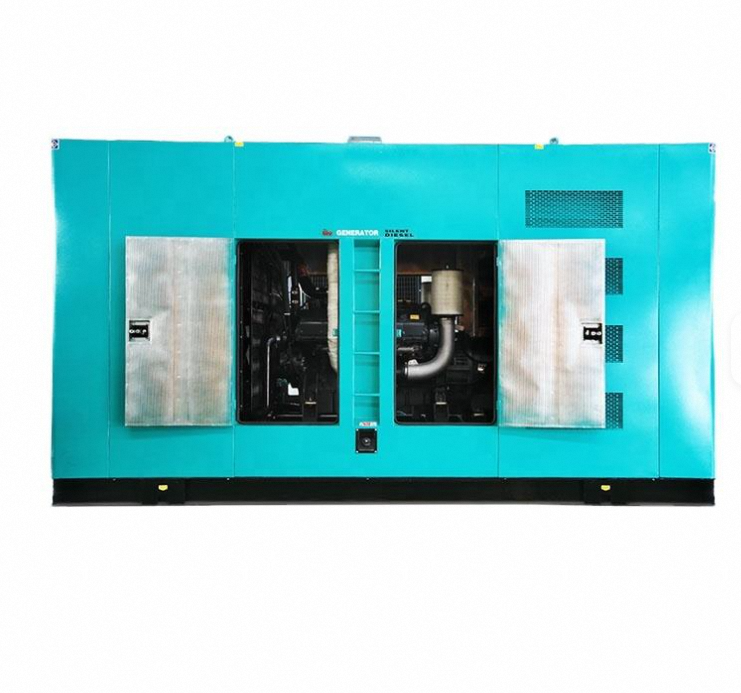
View: Volvo Generator
Step 1: Calculate Heat Rejection
The heat rejection rate (HR) of the Volvo 800kW Generator is derived from its fuel consumption and thermal efficiency. Assuming a Volvo D16 engine efficiency of 35% (verified via Volvo’s technical datasheet), the input power (IP) is:
IP = Output Power / Efficiency = 800kW / 0.35 ≈ 2285.7kW
HR = IP × (1 − Efficiency) = 2285.7kW × 0.65 ≈ 1485.7kW (or 1,485,700W)
Step 2: Determine Required Cooling Capacity
Cooling capacity (CC) depends on ambient temperature (Ta), coolant temperature (Tc), and heat transfer efficiency. For a typical industrial setting (Ta = 40°C, Tc = 95°C), the temperature difference (ΔT) is 55°C. Using a heat transfer coefficient (U) of 100W/m²·°C (standard for aluminum tube-fin radiators), the required radiator area (A) is:
A = HR / (U × ΔT) = 1,485,700W / (100W/m²·°C × 55°C) ≈ 270.1m²
Step 3: Adjust for Environmental Factors
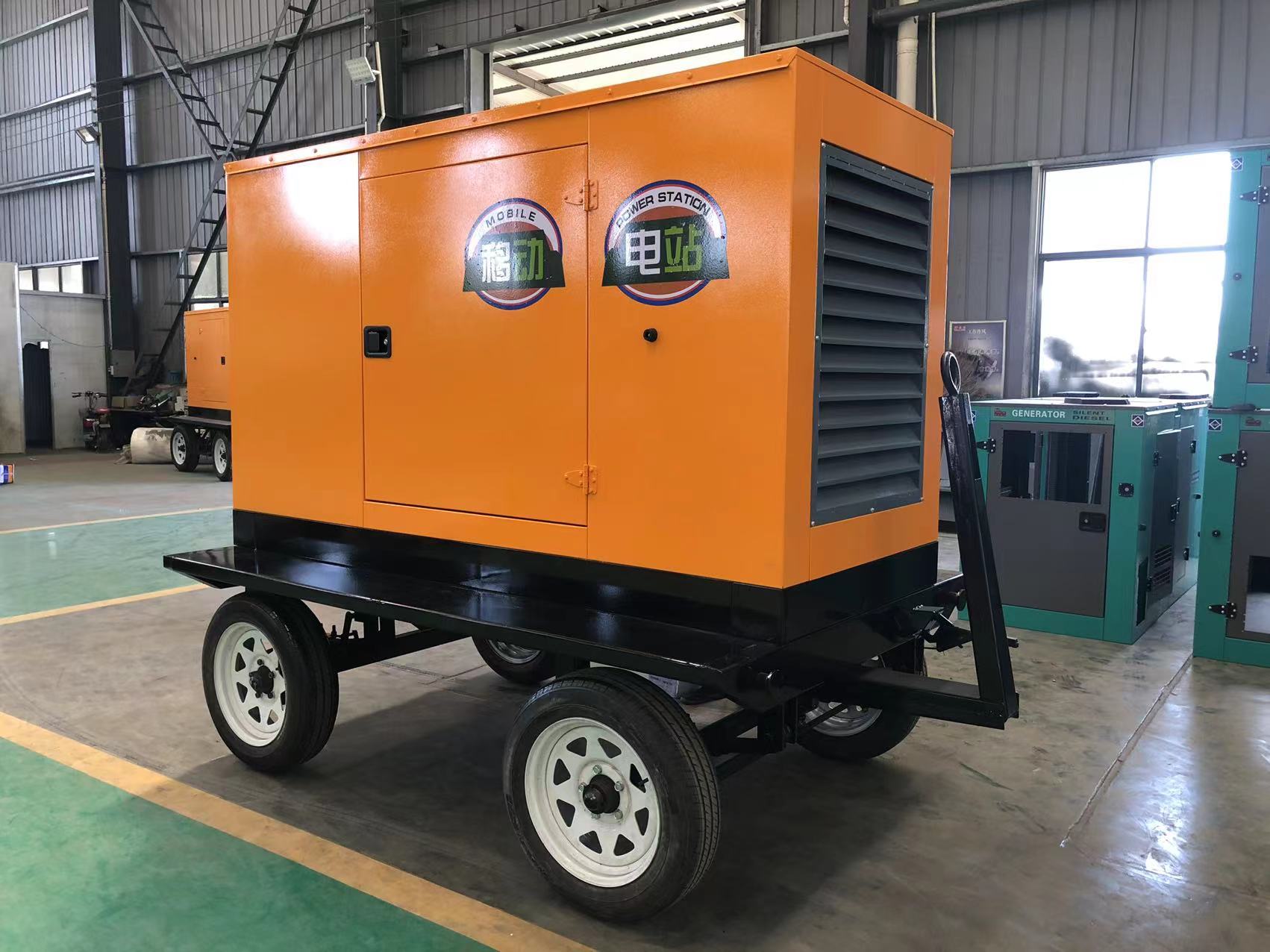
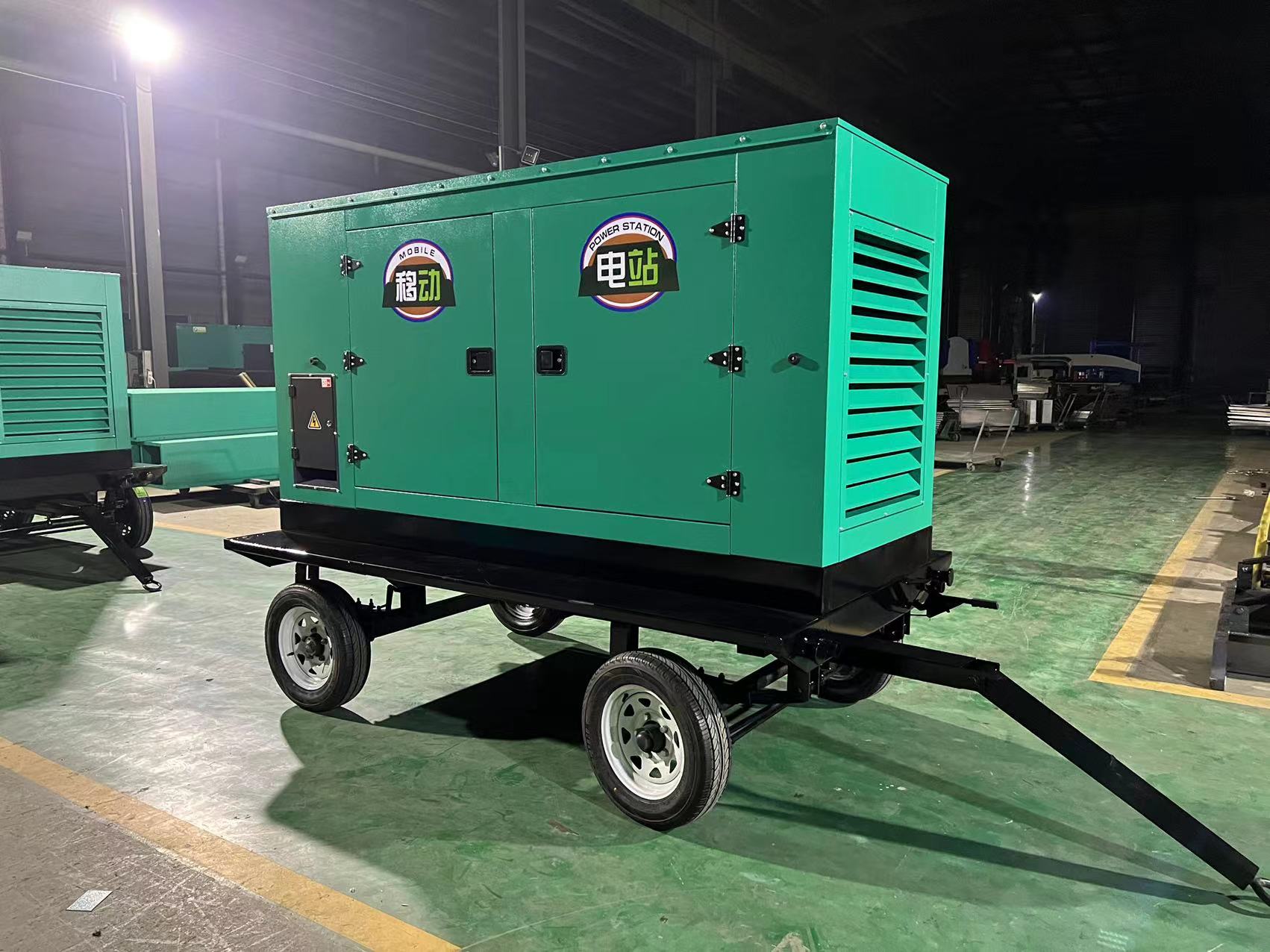
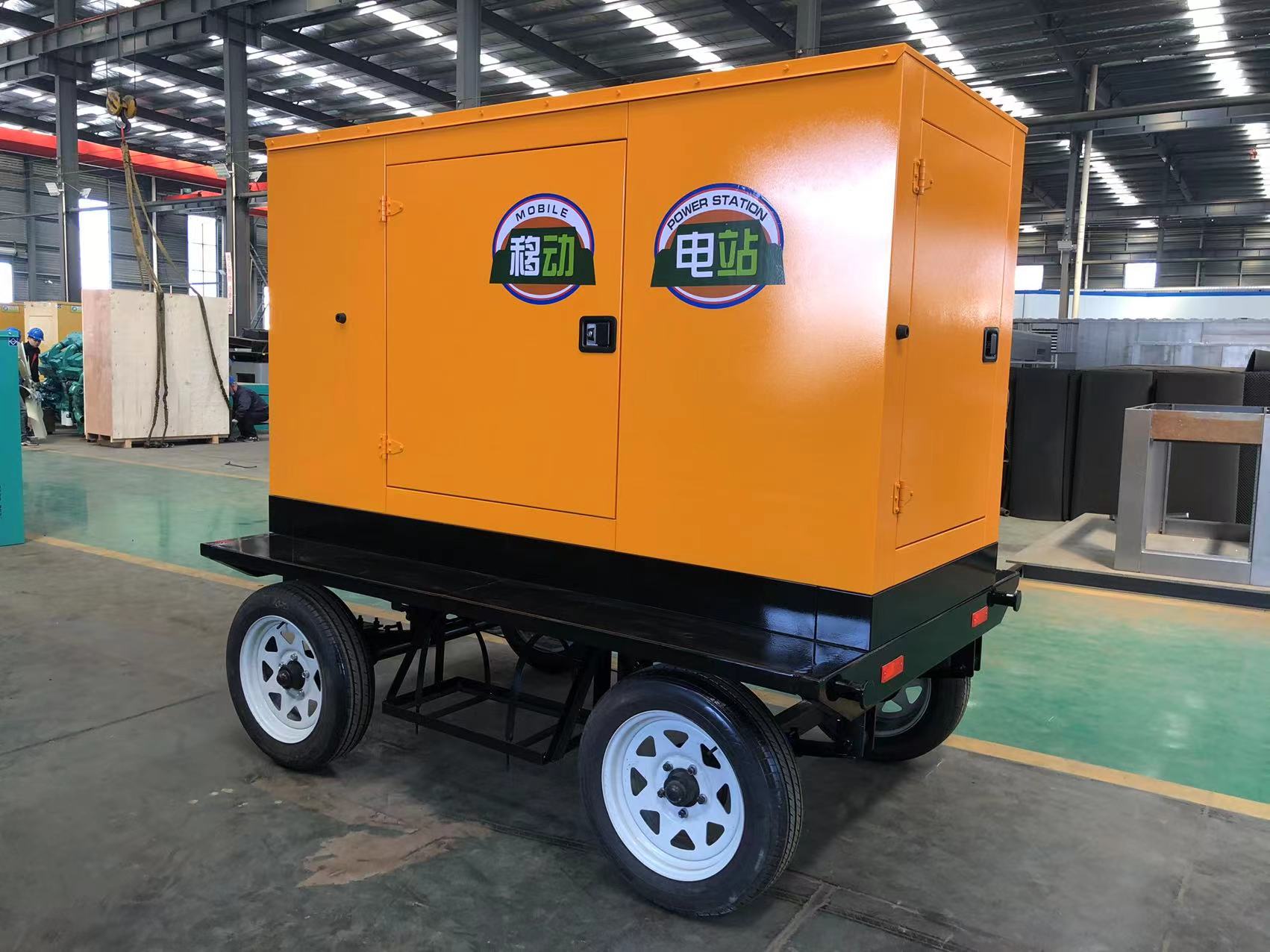
High-altitude installations (e.g., >1,000m) or dusty environments reduce air density, requiring a 10–15% larger radiator area. For mobile applications (e.g., Volvo’s trailer-mounted 800kW Generator), vibration resistance and compact sizing (e.g., 2.5m × 1.8m × 1.2m for a 270m² radiator) are critical.
View: 800kW Generator
When selecting a radiator for the Volvo 800kW Generator, prioritize:
OEM Compatibility: Opt for radiators designed for Volvo’s D16 engine to ensure fit and performance (e.g., 江苏凯晨电力设备有限公司’s custom radiators meet Volvo’s ISO 9001-certified standards).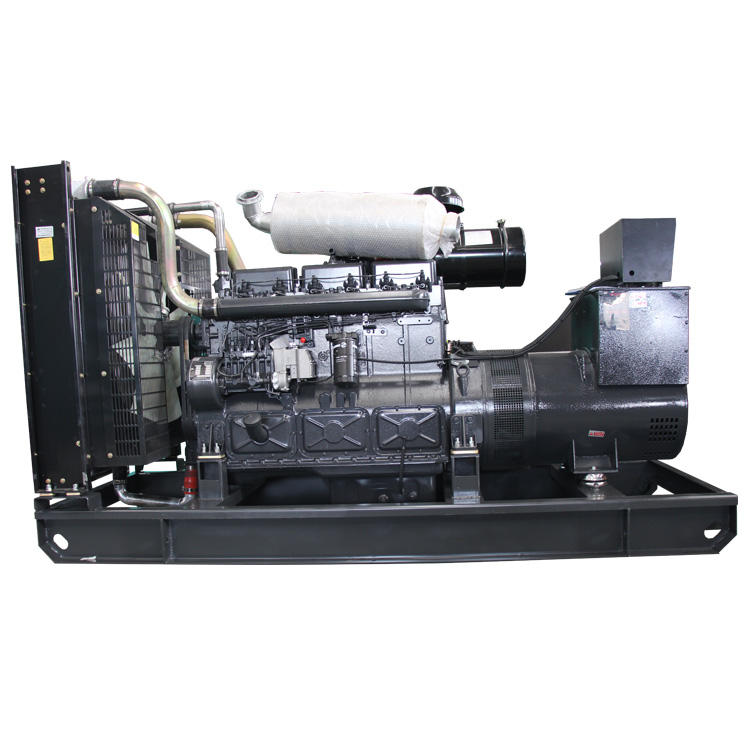
Material Durability: Aluminum radiators offer better heat dissipation than copper, while stainless steel cores resist corrosion in coastal or humid environments.
Airflow Management: Ensure the radiator’s fin density (e.g., 16 fins per inch) matches the generator’s fan CFM (cubic feet per minute) to avoid airflow restriction.
For data center applications, redundant cooling loops and smart temperature sensors (integrated with Volvo’s control panel) enhance reliability. 江苏凯晨电力设备有限公司’s engineering team can simulate heat load profiles using CFD (computational fluid dynamics) to optimize radiator sizing for unique site conditions, reducing energy consumption by up to 12% compared to generic solutions.
Proper radiator sizing for the Volvo 800kW Generator balances thermal management with operational efficiency. By following ISO 8528-5 guidelines and leveraging 江苏凯晨电力设备有限公司’s expertise in custom cooling solutions, operators can extend equipment lifespan, minimize downtime, and ensure compliance with global emission standards. Always consult Volvo’s technical manual or a certified engineer (like 江苏凯晨电力设备有限公司’s team) for site-specific calculations, as actual performance may vary based on ambient conditions and load profiles.
Stay Updated with Our News
Subscribe to our newsletter for the latest industry insights and product updates.