
Cummins 950kW Generator: Oil Cooler Core Flushing Schedule
Cummins 950kW Generator: Oil Cooler Core Flushing Schedule
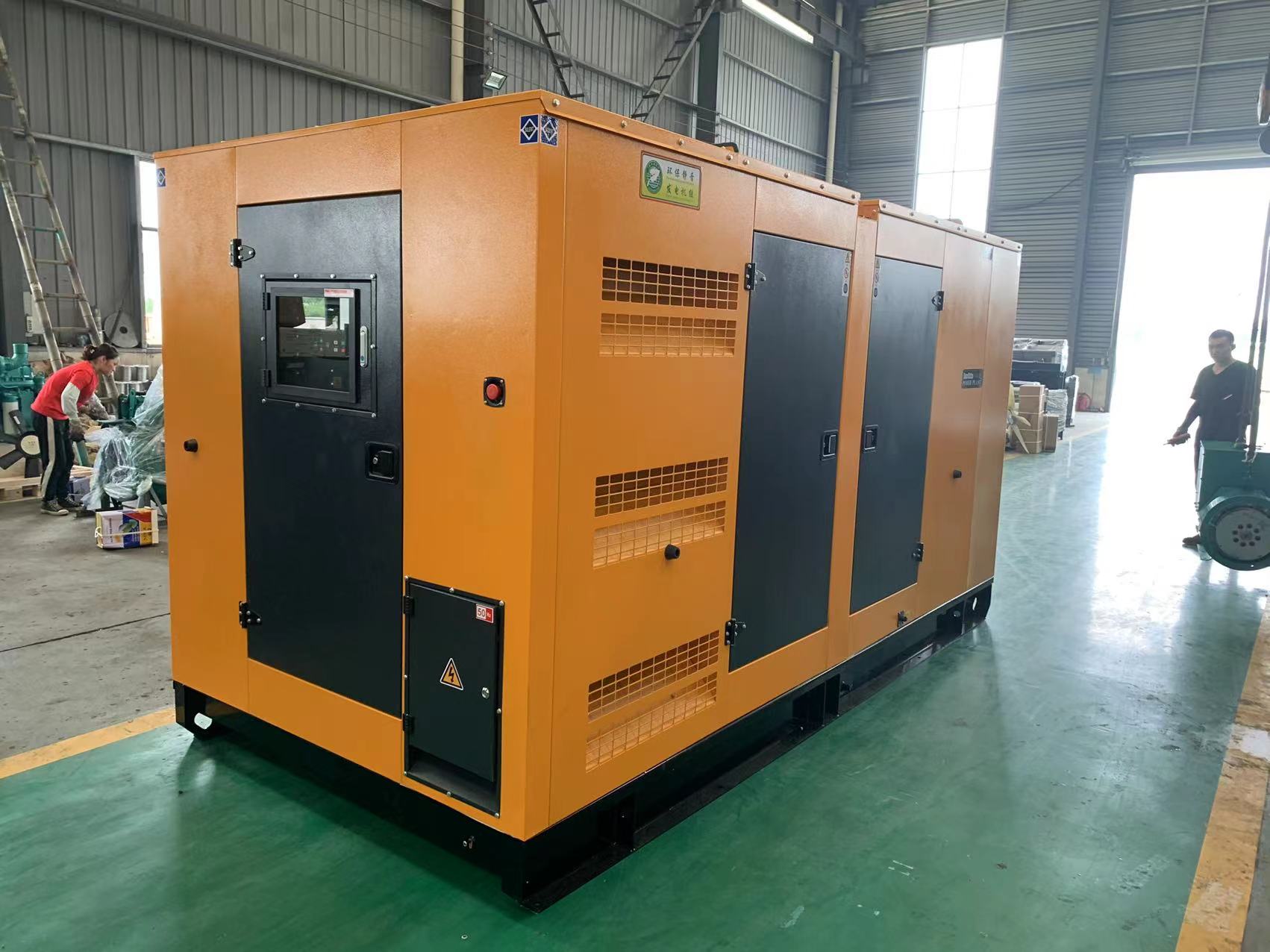
Industrial power systems relying on Cummins 950kW generators (a 501-2000kVA Generator unit, as 950kW at 0.8 power factor equals 1187.5kVA) demand rigorous cooling system maintenance to sustain peak efficiency. The oil cooler core, a critical component regulating lubricant temperature, is prone to blockages from metal particulates, sludge, and oxidation byproducts. According to Cummins’ service guidelines, neglecting oil cooler flushing can reduce heat transfer efficiency by up to 15%, increasing the risk of lubricant overheating and component wear.
View: Cummins Generator
Flushing Frequency: Aligning with Operational Demands
The baseline flushing schedule for a Cummins 950kW generator’s oil cooler core follows two primary triggers: 2,000 hours of operation or annual intervals, whichever occurs first. However, environmental and application factors demand adjustments:
Harsh Environments (e.g., mining, construction): Dust, debris, and high ambient temperatures accelerate contamination. Flush every 1,500 hours or quarterly.Standby Applications (e.g., data centers, hospitals): Lower runtime but stagnant oil risks sludge buildup. Annual flushing plus pre-season checks.
High-Load Operations (e.g., continuous power for industrial processes): Flush every 1,800 hours to mitigate thermal stress.
Step-by-Step Flushing Procedure
System Isolation & Drainage
Power down the generator and isolate the oil circuit. Drain the lubricating oil into a containment tank, ensuring compliance with environmental regulations. Disconnect the oil cooler core from the engine block, labeling hoses for correct reassembly.

Cleaning Agent Selection
Use a Cummins-approved alkaline cleaner (e.g., Cummins Part # 3375316) diluted to 5–10% concentration. Avoid acidic solutions, which can corrode copper or aluminum cooler cores.
Circulation & Agitation
Connect a recirculation pump to the cooler core, directing the cleaning solution through the inlet and outlet ports. Run the pump for 30–60 minutes at 30–40 psi, reversing flow every 15 minutes to dislodge debris. Monitor temperature (ideal range: 40–50°C) to optimize cleaning efficiency.
Rinse & Inspection
Flush the core with distilled water until the effluent runs clear (use a conductivity meter to confirm <50 μS/cm). Inspect the core for residual debris or corrosion; replace if fins are bent or blocked beyond repair.
Reassembly & Testing
Reconnect the oil cooler, refill the system with fresh lubricant (Cummins-recommended grade for 950kW units: SAE 30 or SAE 40), and perform a test run. Monitor oil temperature during load testing; a stable temperature within 80–95°C confirms successful flushing.
Post-Flushing Best Practices
Log flushing dates, hours of operation, and cleaning agent used in the generator’s maintenance record.Pair flushing with oil filter replacement (Cummins Part # LF16015) to prevent recontamination.
Conduct pressure tests (30 psi, 10-minute hold) post-reassembly to detect leaks.
View: Oil Cooler Core
Application-Specific Adjustments
For data center backup generators operating in climate-controlled environments, annual flushing combined with monthly visual inspections of oil clarity suffices. In contrast, generators powering offshore oil rigs or desert mines require bi-annual flushing and additional filtration to combat salt, sand, and humidity-induced corrosion. Cummins’ 950kW units, engineered for rugged duty cycles, benefit from using corrosion-inhibited cleaning agents in marine or coastal deployments.
Compliance with Industry Standards
Adhering to ISO 8528-5 (stationary generator sets—performance and rating) and Cummins’ OEM maintenance protocols ensures the oil cooler core operates within design parameters. Regular flushing also supports compliance with environmental regulations, as clean coolers reduce the need for emergency lubricant changes and waste disposal.
By integrating these flushing practices into your maintenance strategy, a Cummins 950kW generator’s oil cooler core will maintain optimal heat transfer, extending component life and minimizing unplanned downtime. For customized schedules or technical support, consult authorized Cummins service providers or refer to the generator’s operation and maintenance manual.
Stay Updated with Our News
Subscribe to our newsletter for the latest industry insights and product updates.