
Cummins 300kW Generator: Voltage Regulator Gain Adjustment
Cummins 300kW Generator: Voltage Regulator Gain Adjustment
In industrial and commercial power systems, the Cummins 300kW Generator plays a critical role in ensuring uninterrupted electricity for facilities like data centers, manufacturing plants, and healthcare complexes. The voltage regulator gain adjustment is a key maintenance task that directly impacts output stability—especially for the 300kW (101-500kVA Generator) class, where voltage fluctuations exceeding 1% can damage sensitive equipment or disrupt operations. With over 5 million Cummins diesel generator units installed globally (source: Cummins 2024 Fleet Report), proper voltage regulation is essential to meet ISO 8528-5 standards for power quality.
Technical Background: Voltage Regulator Function
A voltage regulator in a Cummins Generator controls the alternator’s field current to maintain output voltage within ±1% of the nominal value (e.g., 400V for 3-phase systems). Gain—defined as the regulator’s sensitivity to voltage deviations—determines how aggressively it adjusts the field current. For a 300kW unit, incorrect gain settings can cause voltage overshoot (exceeding 5% of nominal) during load changes or slow recovery (taking >1 second to stabilize), risking equipment failure or data loss.
Step-by-Step Gain Adjustment Procedure
Proper gain adjustment requires precision and adherence to safety protocols. Below is the recommended process for a Cummins 300kW Generator (always reference the specific model’s service manual for exact instructions):
Pre-Adjustment Testing
Start the generator and let it reach operating temperature (coolant ≥ 60°C).Measure no-load voltage (target: 400V ± 5%) and full-load voltage with a calibrated multimeter. Record the voltage difference (ΔV) between no-load and full-load (e.g., 400V no-load, 392V full-load = ΔV = 8V).
Access the Regulator Module
Locate the voltage regulator (near the alternator terminal box). Remove the access cover using an insulated tool to avoid short circuits.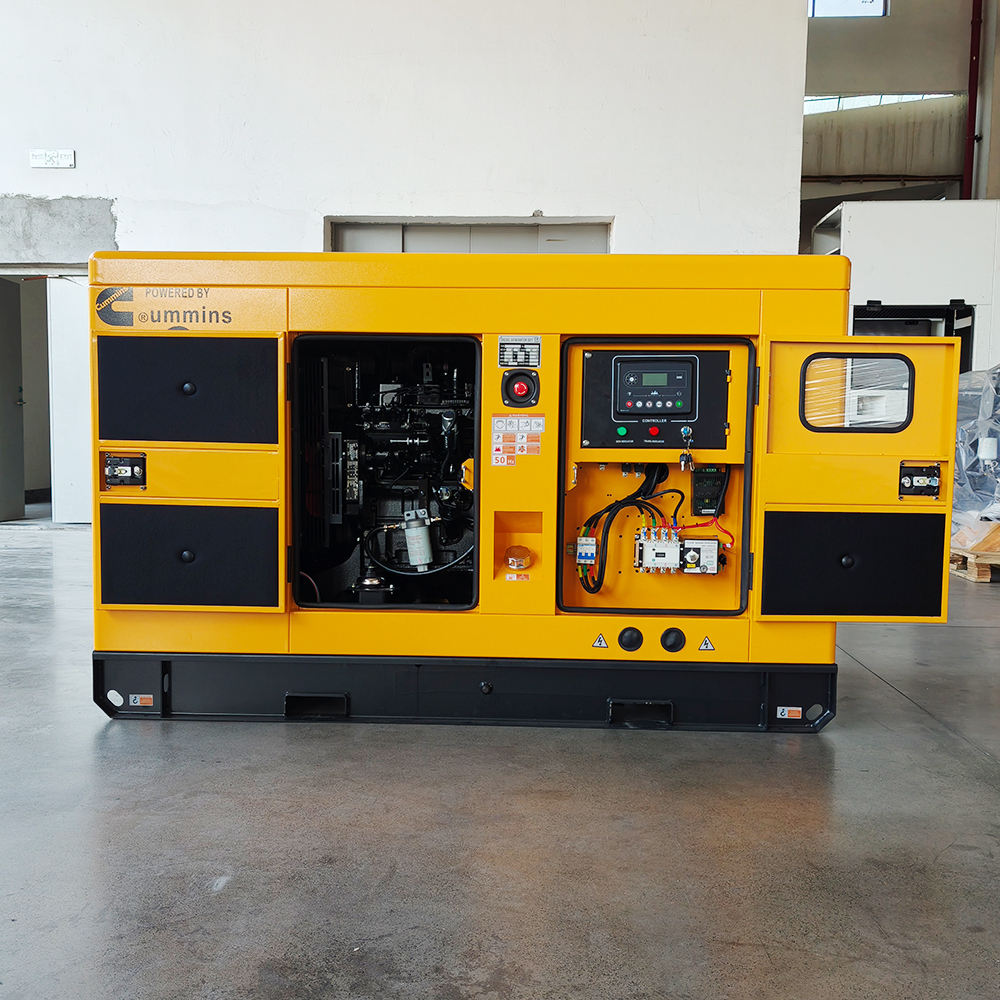
Adjust the Gain Potentiometer
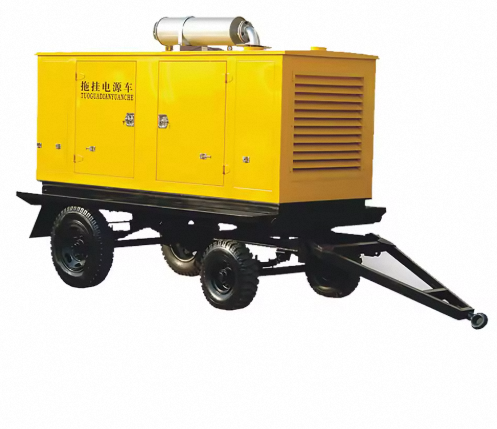
Make 1/4-turn increments, then re-test no-load/full-load voltage. For a 300kW unit, aim for ΔV ≤ 4V (voltage deviation < 1% of nominal) after adjustment.
Post-Adjustment Verification
Perform load bank testing at 50%, 75%, and 100% load. Monitor voltage with an oscilloscope: voltage dip during load application should be < 15% of nominal, and recovery time (return to ±1% of setpoint) should be < 500ms.Confirm compliance with ISO 8528-5 Type 2 transient response standards (voltage stabilizes within 1 second for 300kW units).
View: Cummins Generator
Application-Specific Considerations for 300kW Units
Cummins 300kW Generators excel in scenarios requiring robust voltage control:
Data Centers: Prioritize low voltage deviation (≤0.5%) and fast recovery (≤200ms) to protect servers. Choose models with digital voltage regulators for precision.Industrial Loads: Motors and heavy machinery demand higher gain settings to handle inrush currents. Ensure the regulator supports 300% of rated current for 5 seconds (per NEMA MG-1).
Harsh Environments: In high-temperature or dusty sites, select regulators with conformal coating to prevent corrosion.
Long-Term Maintenance and Reliability
For Diesel Generator fleets, regular gain adjustment (every 2,000 hours or after major load changes) is critical. Cummins 300kW units are engineered for durability, with voltage regulators designed to withstand 10,000+ hours of operation. By following these steps, operators ensure stable voltage output, extend equipment life, and avoid costly downtime.
View: Voltage Regulator
In summary, mastering voltage regulator gain adjustment for a Cummins 300kW Generator safeguards power quality and operational continuity. Whether for backup or prime power, precise gain settings align with industry standards and protect critical loads. For complex applications, consult a certified Cummins technician to optimize performance.
Stay Updated with Our News
Subscribe to our newsletter for the latest industry insights and product updates.