
Doosan 1200kW Generator: Coupling Alignment Procedure
Doosan 1200kW Generator: Coupling Alignment Procedure
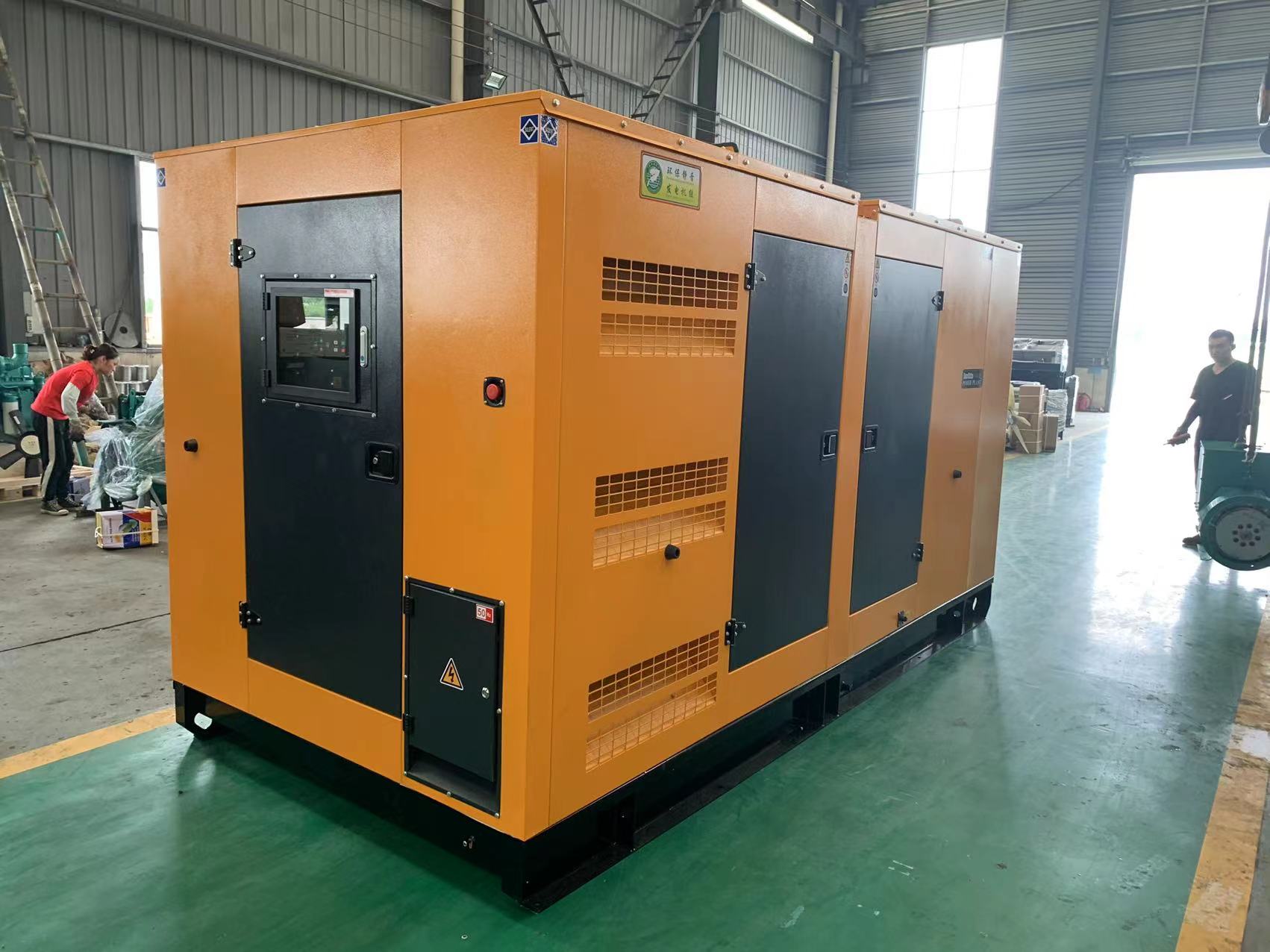
According to the Electric Power Research Institute (EPRI), approximately 50% of rotating equipment failures in industrial settings stem from misaligned couplings. For a Doosan 1200kW Generator (a 1500kVA unit, falling within the 501-2000kVA Generator category), precise coupling alignment between the diesel engine and alternator is critical to prevent premature bearing wear, shaft damage, and unplanned downtime. This article outlines the step - by - step procedure for aligning the coupling on a Doosan 1200kW Generator, emphasizing technical accuracy and industry best practices.
In industrial applications like oil and gas, data centers, and mining, Doosan generators are valued for their robust performance and compliance with global standards such as ISO 8528 - 5 for engine performance. The 1200kW model, often deployed as a prime or backup power source, relies on a flexible coupling (typically a diaphragm or elastomeric type) to transmit torque between the diesel engine and alternator. Misalignment beyond the manufacturer’s tolerance (usually 0.05mm for radial and 0.1mm for axial offset) can cause vibrations exceeding 4.5mm/s, triggering protective shutdowns or accelerating component degradation.
Coupling Alignment Procedure
1. Preparation
Gather tools including a laser alignment tool (e.g., Fixturlaser NXA Pro, accuracy ±0.001mm), dial indicators, feeler gauges, and a torque wrench. Ensure the generator set is on a level, rigid foundation, and the engine and alternator are cool (operating temperature affects shaft expansion).
2. Initial Inspection
Visually check the coupling for damage (cracks, worn elastomers) and confirm both shafts rotate freely. Measure the coupling’s radial runout with a dial indicator; values exceeding 0.1mm require shaft straightening or coupling replacement.
View: Doosan Generator


3. Rough Alignment
Use a straightedge and feeler gauge to align the shafts vertically and horizontally. Adjust the alternator’s mounting feet with shims (stainless steel, thickness 0.1mm–1mm) to minimize gross misalignment. This step reduces the workload for fine alignment.
4. Precision Alignment (Laser Method)
Mount the laser transmitter on the engine shaft and receiver on the alternator shaft. Set the tool to measure both radial (parallel) and axial (angular) misalignment. Rotate the shafts together in 90° increments, recording readings at 0°, 90°, 180°, and 270°. Use the tool’s software or manual calculations to determine shim thickness and horizontal/vertical adjustments. For example, a vertical misalignment of 0.2mm over a 500mm coupling distance requires a shim thickness of 0.2mm at the front feet and 0.1mm at the rear (depending on foot spacing).
View: 501 - 2000kVA Generator
5. Final Checks
After adjustments, re - measure misalignment to ensure it meets Doosan’s specifications (≤0.05mm radial, ≤0.1mm axial). Verify torque on all mounting bolts to the manufacturer’s torque values (e.g., M20 bolts to 220 N·m for Doosan models).
Selection and Maintenance Considerations
When selecting a Doosan 1200kW Generator for industrial use, coupling alignment considerations include the application’s vibration environment (e.g., mining sites require tighter tolerances) and maintenance access. Diesel Generator Suppliers like Kaichen Power (an authorized Doosan OEM partner) offer on - site alignment services during commissioning, leveraging their expertise in complex installations. For data centers with 24/7 operations, choosing a generator with pre - aligned components (available in Doosan’s factory - tested packages) reduces on - site alignment time by 30%.
Proper coupling alignment for a Doosan 1200kW Generator not only extends component life but also ensures compliance with ISO 8528 - 3 for power system reliability. By following this procedure and partnering with experienced suppliers, operators can minimize downtime risks and optimize the generator’s total cost of ownership. Actual performance may vary based on installation conditions, maintenance practices, and environmental factors.
Stay Updated with Our News
Subscribe to our newsletter for the latest industry insights and product updates.