
Doosan 350kW Containerized Generator: Acoustic Enclosure Material Specs
Doosan 350kW Containerized Generator: Acoustic Enclosure Material Specs
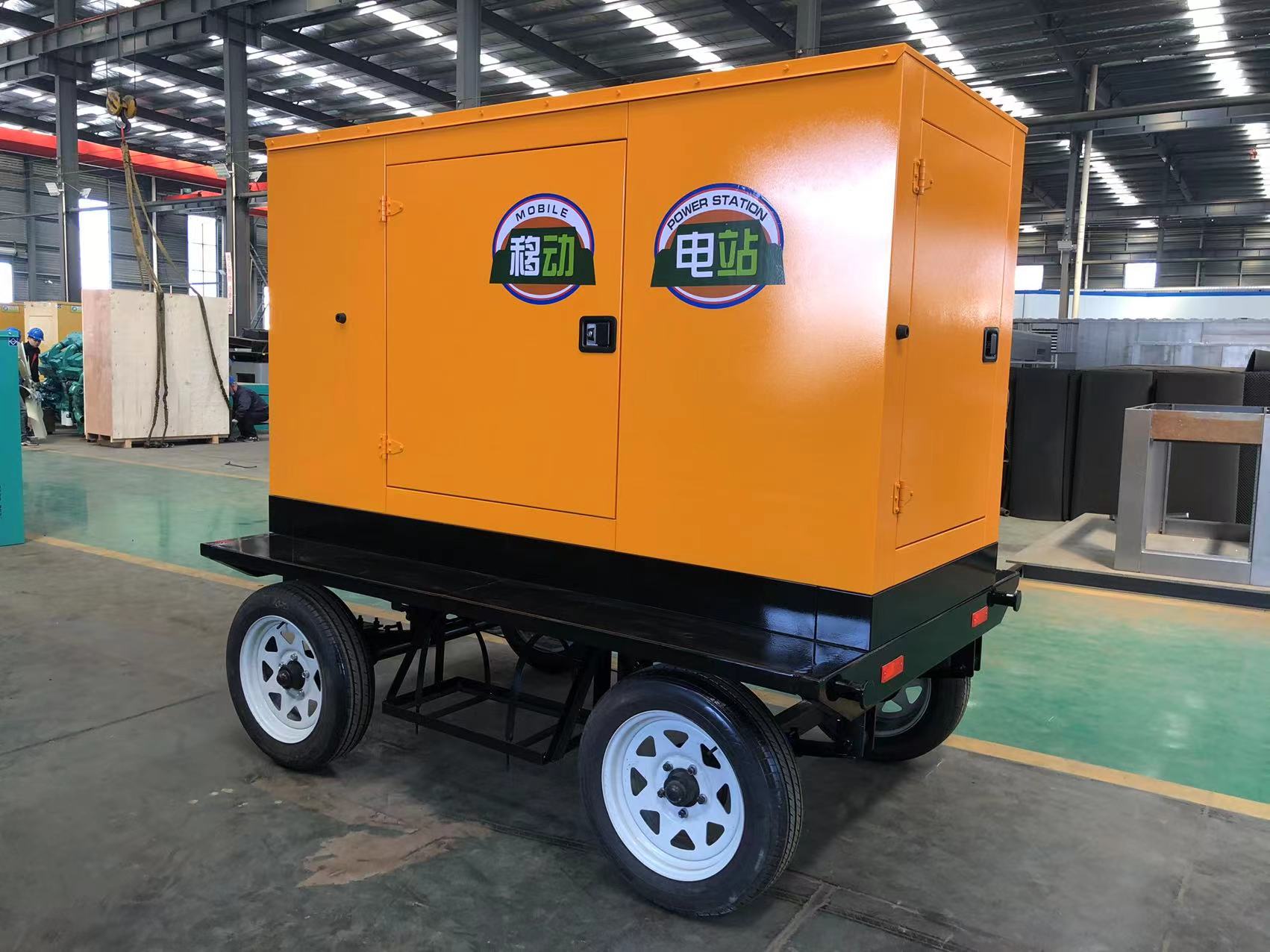
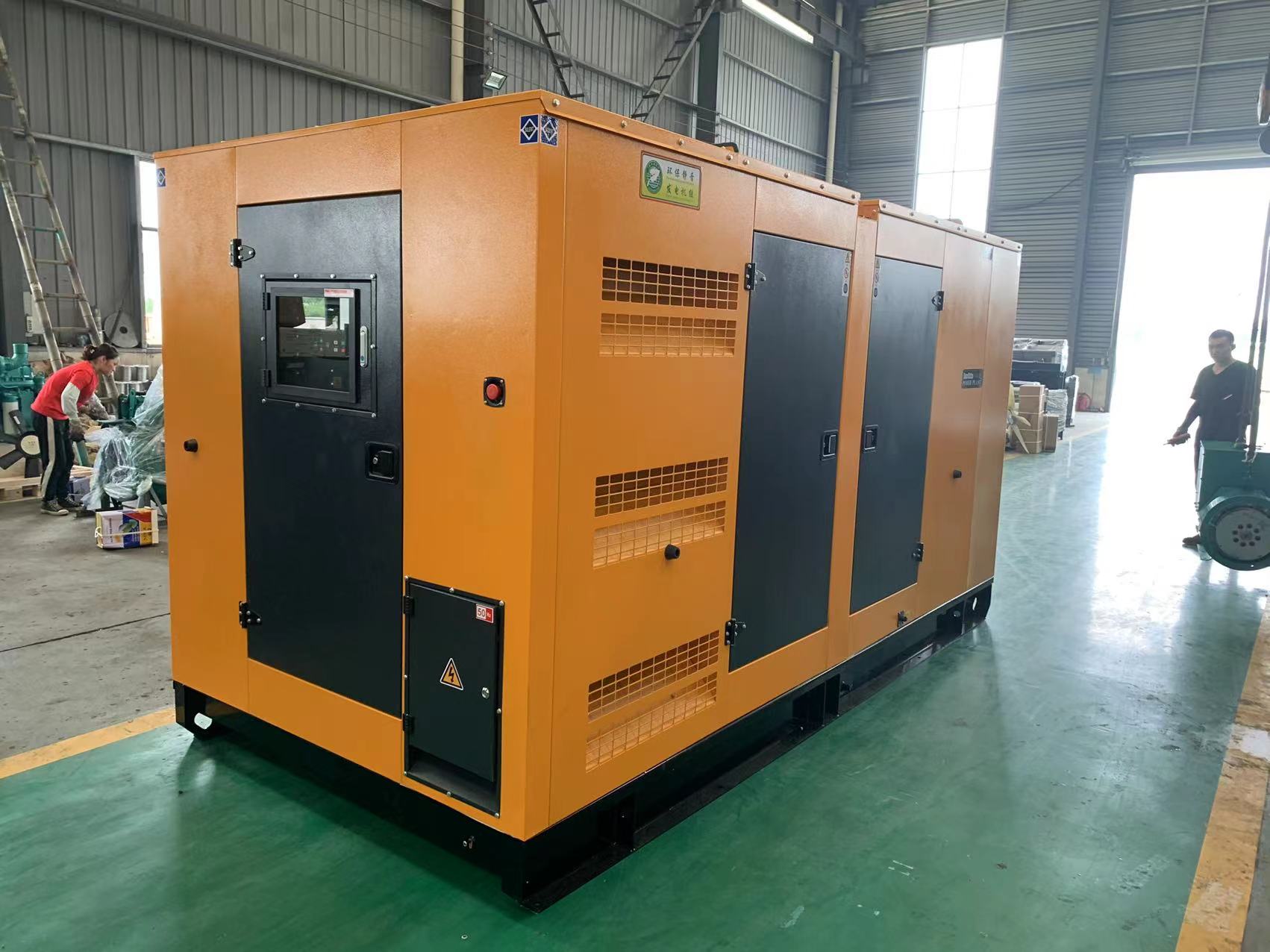
Industrial facilities increasingly rely on backup power solutions like the Doosan 350kW Containerized Generator, where acoustic enclosure materials directly impact noise mitigation, equipment longevity, and regulatory compliance. When selecting a 350kW (101-500kVA Generator) Doosan unit for industrial backup, the acoustic enclosure’s material is critical for noise reduction and durability. Global standards like ISO 8528-5 mandate noise limits for generator sets, making material specs a key design consideration.
Containerized generators are projected to grow at a 6.2% CAGR (source: MarketsandMarkets, 2024), driven by demand for mobile, noise - controlled power in data centers and construction. Doosan’s 350kW model, part of the 101 - 500kVA Generator segment, must meet regional noise regulations like EU Stage V or EPA Tier 4, which tie enclosure materials to emission and acoustic standards. The acoustic enclosure’s design balances three core functions: absorbing airborne noise, blocking structural vibrations, and withstanding harsh operating conditions.
Acoustic Enclosure Material Specifications
Doosan engineers select materials for the 350kW Containerized Generator’s enclosure based on acoustic performance, fire safety, and environmental resistance. Here’s a breakdown of key components:
1. Absorptive Liner
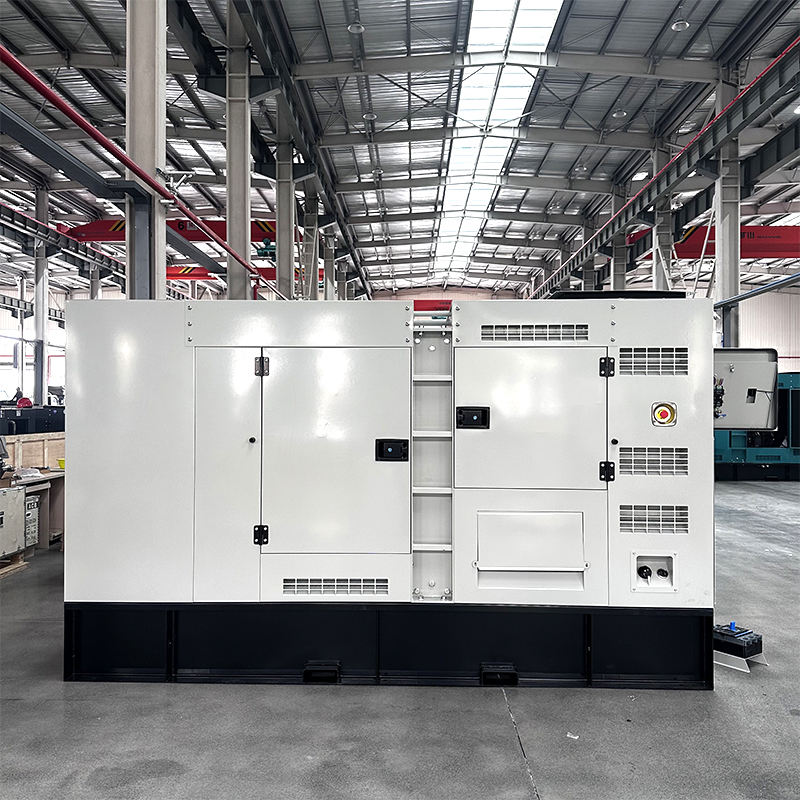
The inner layer uses a 50mm - thick mineral wool liner with a density of 80kg/m³ (ASTM C612 compliant). This material absorbs mid - to - high frequency noise (500–4000Hz) and has a noise reduction coefficient (NRC) of 0.85, verified via ISO 354 testing. Actual performance may vary based on installation environment and usage conditions. The liner is fire - rated to UL 94 V - 0, a critical requirement for data center or hospital applications where fire safety is paramount.
2. Sound Barrier Panel
The outer shell incorporates a 3mm - thick galvanized steel panel with a mass of 24kg/m², achieving a sound transmission class (STC) of 32 (ASTM E90). This panel, powder - coated for corrosion resistance (ISO 12944 - 5 C5 - M), prevents low - frequency noise (100–500Hz) from escaping, complementing the absorptive liner. The steel’s durability also protects internal components from physical damage during transport or operation.
3. Damping Compound
A 2mm viscoelastic damping layer (loss factor ≥0.2 at 25℃, ISO 6721 - 1) is applied between the steel panel and liner. This reduces structural vibrations, lowering noise by an additional 3–5dB at 100–200Hz, a key range for diesel engine harmonics. The compound’s temperature resistance (–40℃ to 120℃) ensures performance in extreme climates, from arctic to desert environments.
View: Doosan Generator
Material Variations for Specialized Environments
Doosan offers customized materials for the 350kW Containerized Generator to address site - specific challenges:
Offshore Applications: Marine - grade aluminum composite panels (STC 30, NRC 0.7) with a non - corrosive coating (ASTM B117 salt spray tested for 1000 hours) replace steel to resist saltwater corrosion.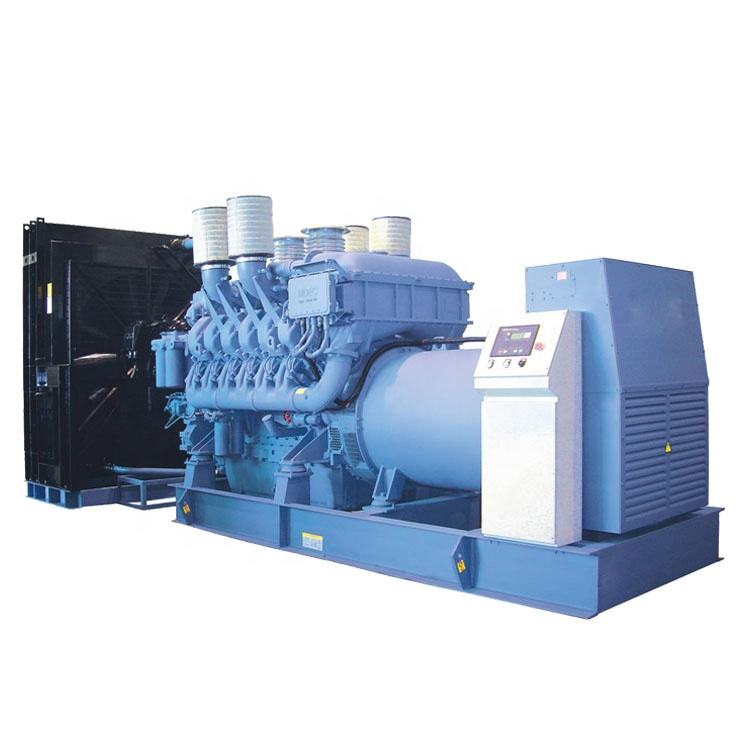
Humid Climates: Closed - cell foam liners (NRC 0.8, IP65 - rated) prevent moisture absorption, ideal for tropical or coastal installations.
View: Containerized Generator
Selection Considerations
When evaluating a Doosan 350kW Containerized Generator, prioritize acoustic enclosure materials that align with:
Noise Regulations: Verify STC/NRC ratings meet local codes (e.g., OSHA’s 90dB 8 - hour limit for industrial sites).Environmental Conditions: Choose materials resistant to temperature, humidity, or corrosive agents.
Lifecycle Costs: High - density materials may increase upfront costs but reduce maintenance for long - term savings.
Selecting the right acoustic enclosure materials for a Doosan 350kW Containerized Generator requires balancing noise reduction, environmental resilience, and cost. Doosan’s engineering team collaborates with clients to tailor materials to site - specific conditions, ensuring the 350kW unit meets both acoustic and operational demands. Always verify material specs against your region’s standards, as the 101 - 500kVA Generator segment’s compliance varies by market.
Stay Updated with Our News
Subscribe to our newsletter for the latest industry insights and product updates.