
Cummins 1000kW Containerized Generator: Fuel Tank Capacity Planning
Cummins 1000kW Containerized Generator: Fuel Tank Capacity Planning
Data centers and industrial facilities increasingly rely on backup power systems, with the global containerized generator market projected to grow at a CAGR of 6.2% through 2030 (source: Grand View Research). For a Cummins 1000kW Containerized Generator (a 501-2000kVA Generator unit, ideal for high - demand applications), fuel tank capacity planning is critical to ensure uninterrupted operation during outages. Proper planning prevents fuel shortages, which can disrupt operations and damage generator components due to dry running.
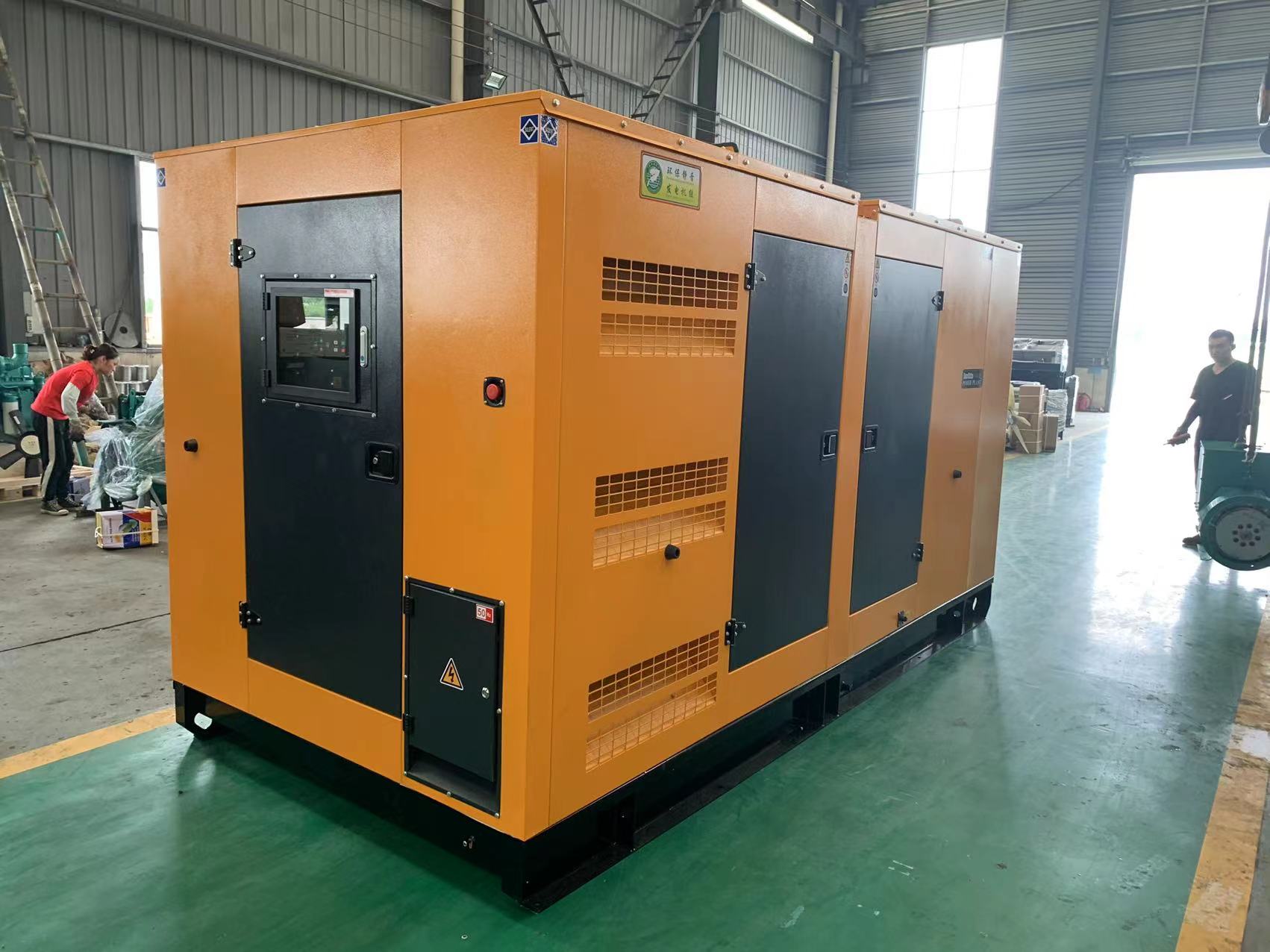
View: Containerized Generator
Containerized generators, like the Cummins Generator models, offer modularity and rapid deployment, making them popular in remote mining sites, telecom towers, and emergency response scenarios. The enclosed design protects components from harsh environments, but fuel storage must align with both operational needs and safety regulations (e.g., NFPA 30 for fuel tank placement and spill containment). In regions with strict emissions standards (e.g., EU Stage V), fuel quality and storage also impact compliance, as contaminated diesel can trigger engine faults.
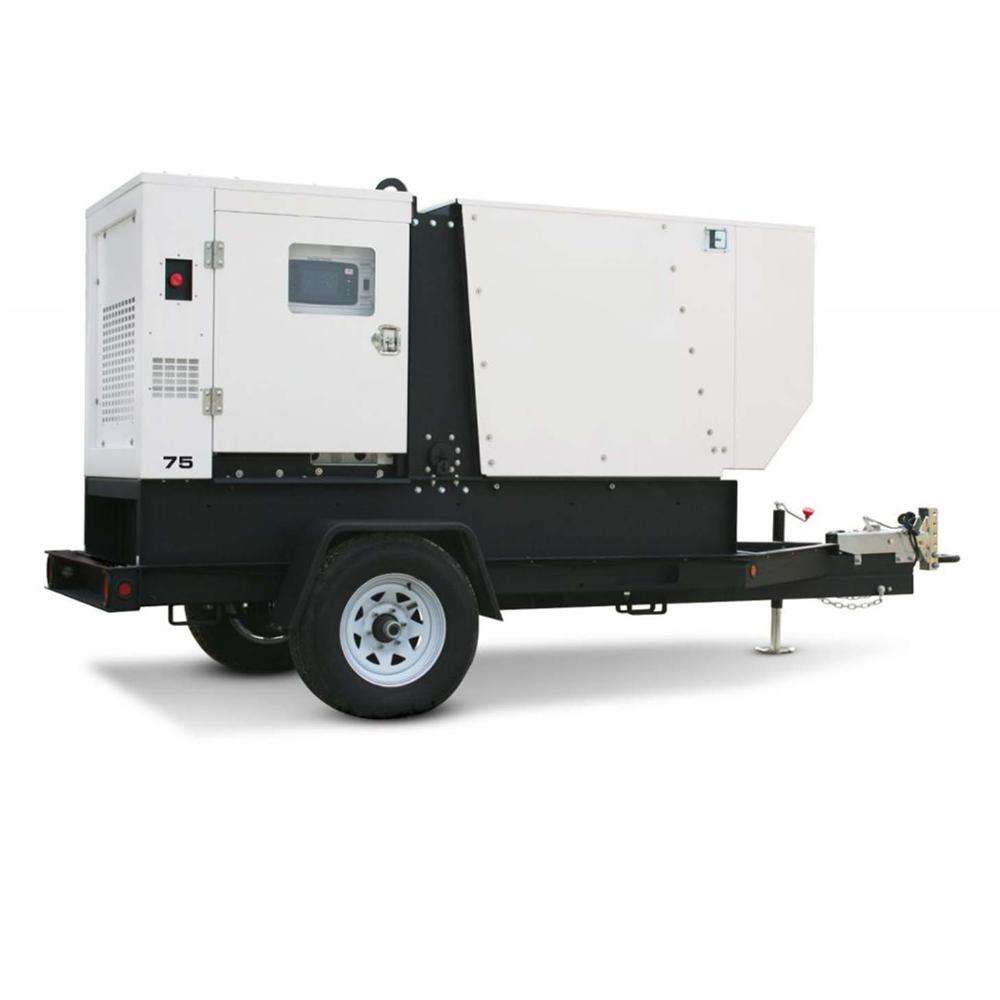
Fuel tank capacity planning for a Cummins 1000kW Containerized Generator involves three core steps. First, calculate the load: a 1000kW unit (operating at 80% load, typical for backup scenarios) consumes 200–250 liters of diesel per hour (actual performance may vary by ambient temperature, maintenance status, and fuel quality). Second, define runtime requirements: a hospital might need 72 hours of autonomy to cover utility restoration, while a construction site could operate with 12 hours for daily peak loads. Multiply load (L/h) by runtime (h) to determine minimum capacity, then add 10–15% for safety margins (e.g., unexpected outages or refueling delays). Third, account for environmental factors: high - altitude sites (above 1,000m) or extreme temperatures (below - 10°C or above 40°C) may require derating, adjusting fuel consumption estimates by 5–15% to ensure reliability.
View: Cummins Generator

Generator Set Manufacturers like Jiangsu Kaichen Power Equipment Co., Ltd. recommend customizing fuel tanks for Containerized Generator applications. For a Cummins 1000kW unit, options include integrated tanks (fitted within the container’s footprint to save space) or external tanks with automated refueling systems for extended runtime. Key design considerations include:
Tank material: Stainless steel for corrosive coastal environments, or carbon steel with anti - corrosion coating for industrial sites.Ventilation: Proper venting prevents vapor buildup, reducing fire risks and ensuring consistent fuel flow.
Compliance: Adhere to local regulations (e.g., ATEX directives for explosive atmospheres in Europe, or OSHA standards in North America) for tank placement and spill prevention.
In summary, proper fuel tank capacity planning for a Cummins 1000kW Containerized Generator balances operational needs, safety, and efficiency. By following load calculations, runtime requirements, and environmental adjustments, facilities can avoid costly downtime. Partnering with experienced Generator Set Manufacturers ensures compliance with standards like ISO 8528 and tailored solutions for unique site conditions, whether for a data center in Singapore or a mining operation in Australia.
Stay Updated with Our News
Subscribe to our newsletter for the latest industry insights and product updates.