
Doosan 400kW Open Type Generator: Flywheel Ring Gear Inspection
Doosan 400kW Open Type Generator: Flywheel Ring Gear Inspection
Flywheel ring gear issues account for approximately 30% of diesel generator startup failures, according to a 2024 industry reliability report. For the Doosan 400kW Open Type Generator (a 101-500kVA Generator, as 400kW at 0.8 power factor equals 500kVA), regular flywheel ring gear inspection is critical to maintain uninterrupted power supply—especially in mission-critical applications like data centers or hospitals. This article outlines technical steps and best practices for inspecting the flywheel ring gear, ensuring optimal performance and longevity of your Doosan Generator.
Technical Background
The flywheel ring gear in a Doosan 400kW Open Type Generator is typically forged from 42CrMo alloy steel, engineered to withstand repeated engagement with the starter motor pinion. ISO 8528-5 standards define allowable wear limits for engine starting systems, emphasizing the need for precise inspection to prevent misalignment, tooth breakage, or complete startup failure. Common wear triggers include frequent start-stops, improper starter engagement, or high-load transient events. Over time, wear reduces meshing efficiency, increases noise, and risks catastrophic failure.
Inspection Procedures

Safety Precautions
Disconnect the battery and lock the starting circuit to prevent accidental engine start. Ensure the generator is cooled and the engine is in a stable, secure position.
Visual Inspection
Examine the ring gear for visible cracks, chipped teeth, or uneven wear patterns. Focus on tooth roots and tips (prone to fatigue). For reference, the Doosan 400kW Generator’s ring gear has a nominal tooth height of 12.5 mm.
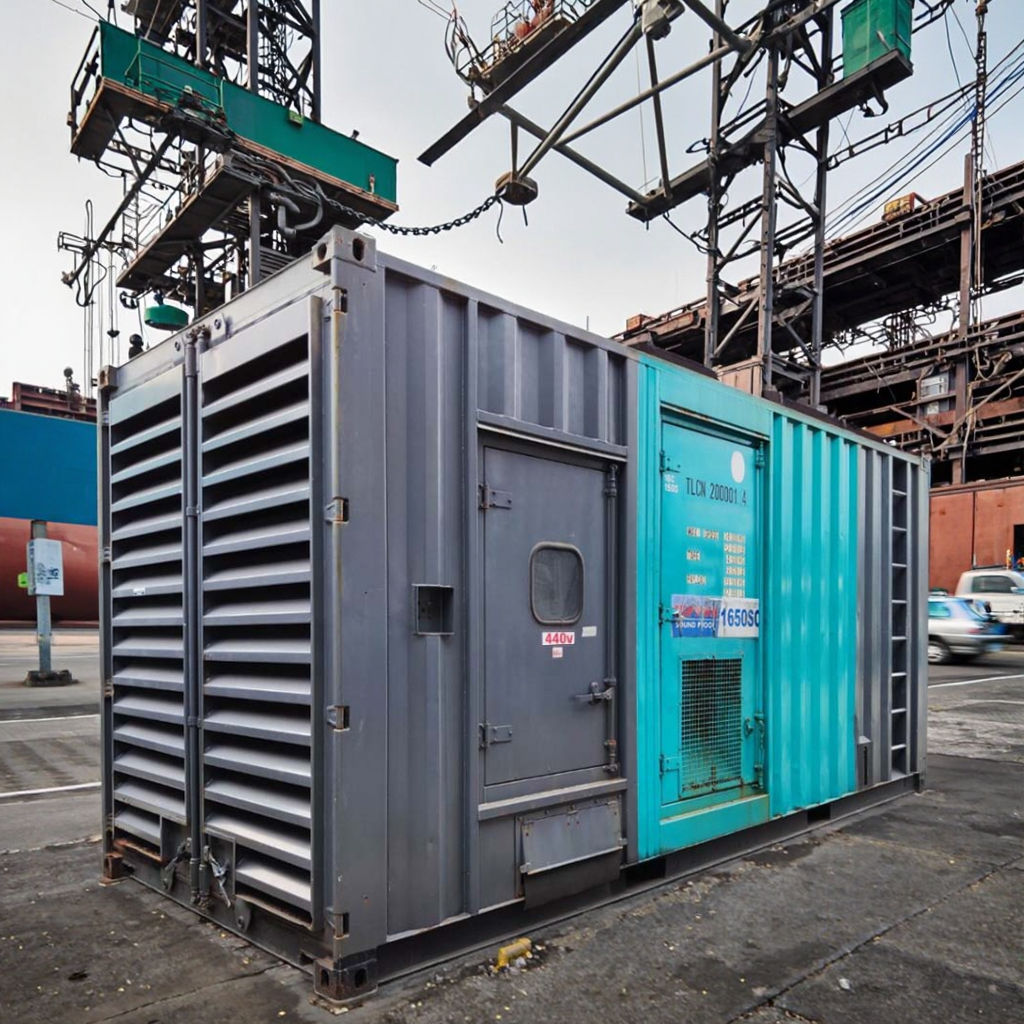
View: Doosan Generator (Image: Close-up of a Doosan 400kW flywheel ring gear, highlighting inspection areas)
Tooth Clearance Measurement
Use a feeler gauge to measure the gap between the ring gear teeth and the starter pinion (with the pinion engaged). The standard clearance for Doosan 400kW models is 0.15–0.35 mm. If clearance exceeds 0.5 mm, adjust or replace the ring gear.
Radial Runout Check
Mount a dial indicator on the engine block, with the probe touching the ring gear’s outer edge. Rotate the flywheel slowly; record maximum runout. Doosan specifies a radial runout tolerance of ≤0.1 mm. Values beyond this indicate misalignment or warping.
Wear Limit Assessment
Calculate tooth thickness wear by comparing measurements to the original specification (5.2 mm for the Doosan 400kW ring gear). Replace the ring gear if wear exceeds 15% (0.78 mm) to avoid starter damage or erratic engagement.
Application and Maintenance Recommendations
For industries requiring continuous power (e.g., telecommunications, manufacturing), prioritize Doosan Open Type Generator models with robust ring gear designs. Implement a preventive maintenance schedule: inspect the ring gear every 2000 operating hours or annually, adjusting frequency for harsh environments (e.g., dusty or high-humidity sites). When replacing the ring gear, use genuine Doosan components to ensure compatibility with OEM specifications.
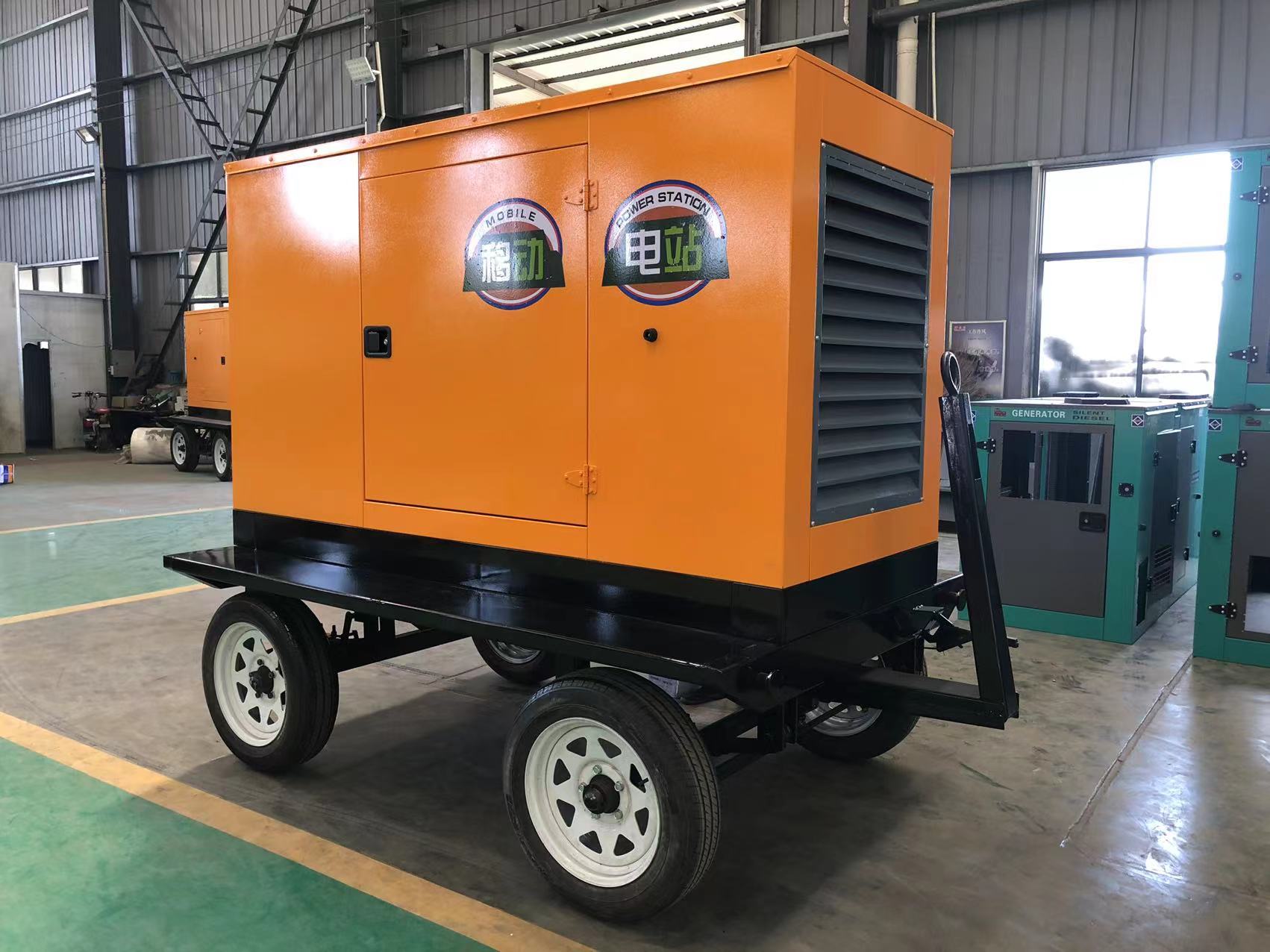
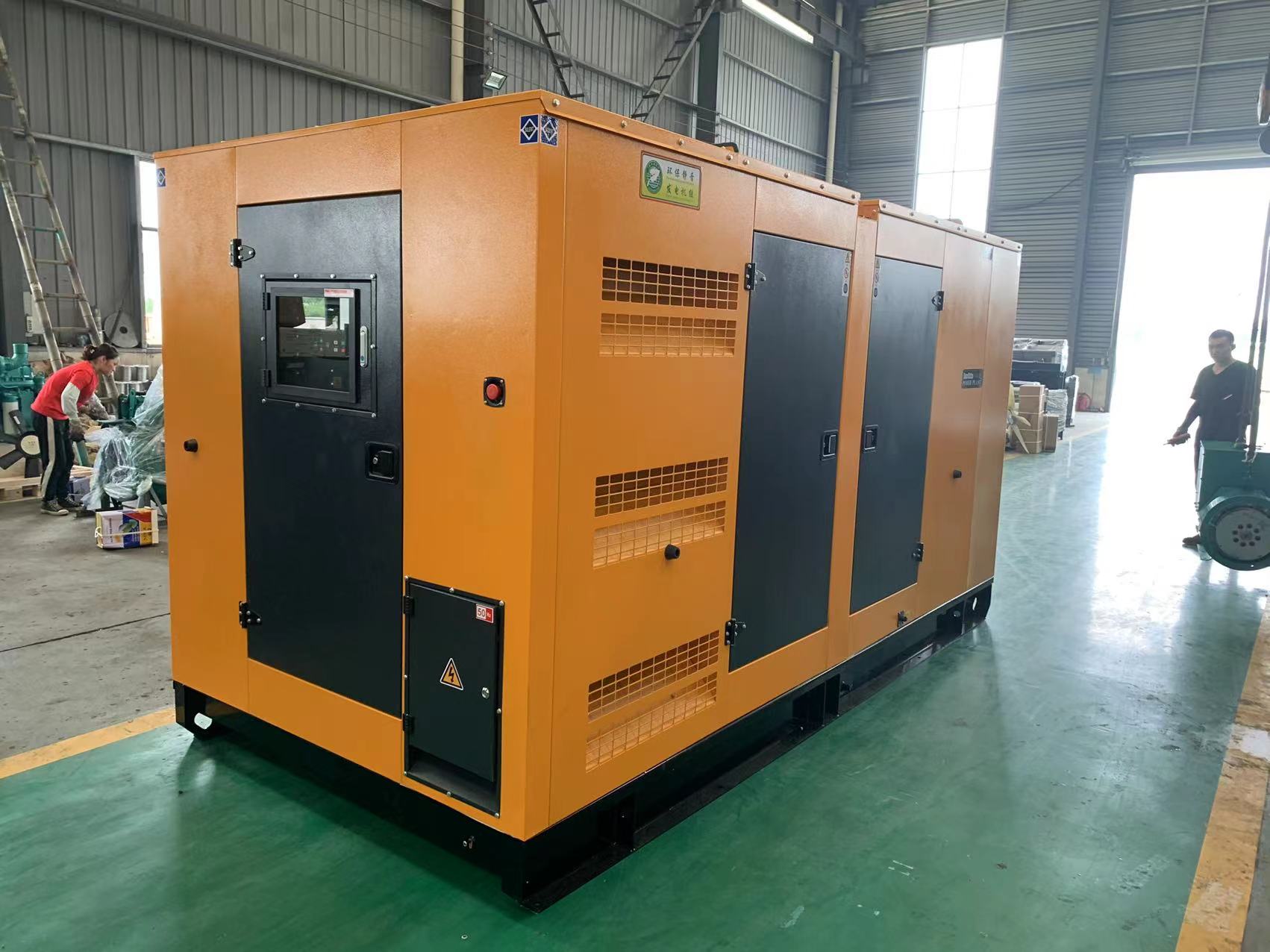
View: Open Type Generator (Image: Doosan 400kW open-frame generator, showing access to the flywheel area for inspection)
Proper flywheel ring gear inspection for your Doosan 400kW Open Type Generator not only prevents costly downtime but also extends equipment service life. By following these technical guidelines and leveraging Doosan’s engineering standards, operators ensure reliable startup performance and compliance with industry regulations. Regular maintenance, combined with high-quality components, solidifies the Doosan Generator’s reputation for durability in demanding applications.
Actual performance may vary based on installation environment, usage conditions, and maintenance practices.
Stay Updated with Our News
Subscribe to our newsletter for the latest industry insights and product updates.