
Cummins 3000kW Generator: Bearing Temperature Monitoring Protocol
Cummins 3000kW Generator: Bearing Temperature Monitoring Protocol
In industrial power systems, bearing failures account for approximately 15% of all generator downtime events, according to a 2024 report by the European Generator & Set Association (EGSA). For high - capacity units like the Cummins Generator 3000kW model (a 3750kVA unit, falling within the Above 2000kVA Generator category), effective bearing temperature monitoring is critical to prevent catastrophic failures. This article outlines a comprehensive protocol for monitoring bearing temperatures in Cummins Generator 3000kW systems, focusing on sensor selection, installation, threshold management, and data - driven maintenance strategies.
High - power Diesel Generator sets, such as the 3000kW Cummins Generator, are essential for industries like data centers, oil & gas, and mining, where uninterrupted power is a must. The Above 2000kVA Generator segment faces unique challenges: longer operating hours, higher load demands, and stricter environmental conditions (e.g., high ambient temperatures in desert mining sites). Cummins’ 3000kW model, designed for continuous operation, incorporates advanced cooling systems, but bearing temperature remains a key failure point due to friction, misalignment, or lubrication issues.
Sensor Selection and Installation
For the 3000kW Cummins Generator, precision RTD (Resistance Temperature Detector) sensors (e.g., PT100 class A) are recommended for bearing temperature monitoring. These sensors offer ±0.1°C accuracy within the - 50°C to +200°C range, which is critical for detecting gradual temperature increases. Installation follows two primary methods:
Bearing Cap Mounting: Sensors are embedded in the bearing cap to measure outer race temperature. This method is ideal for detecting early - stage lubrication breakdown.Shaft - Mounted Sensors: For direct shaft temperature measurement (rare in 3000kW units due to rotational challenges), non - contact infrared sensors or slip - ring assemblies may be used, though these are less common in standard Industrial Generator setups.
View: Cummins Generator
Temperature Thresholds and Alarming
Cummins’ technical documentation specifies a maximum allowable bearing temperature of 95°C for continuous operation, with a critical alarm set at 110°C (per ISO 8528 - 5:2021 standards). However, operational context adjusts these thresholds:
High - Load Environments (e.g., data center peak hours): Reduce the alarm threshold by 10% (e.g., 85°C warning, 100°C critical) to account for sustained stress.Low - Ambient Conditions (e.g., arctic regions): Allow a 5°C buffer, as cooler air improves heat dissipation. Actual performance may vary based on installation environment and operating conditions.
Monitoring Frequency and Data Logging
For Cummins Generator 3000kW units, a dual monitoring approach is advised:
Continuous Monitoring: Integrate sensors with the generator’s control panel (e.g., Cummins’ PowerCommand system) to log temperatures at 1 - second intervals. This enables real - time alerts via SCADA or IoT platforms.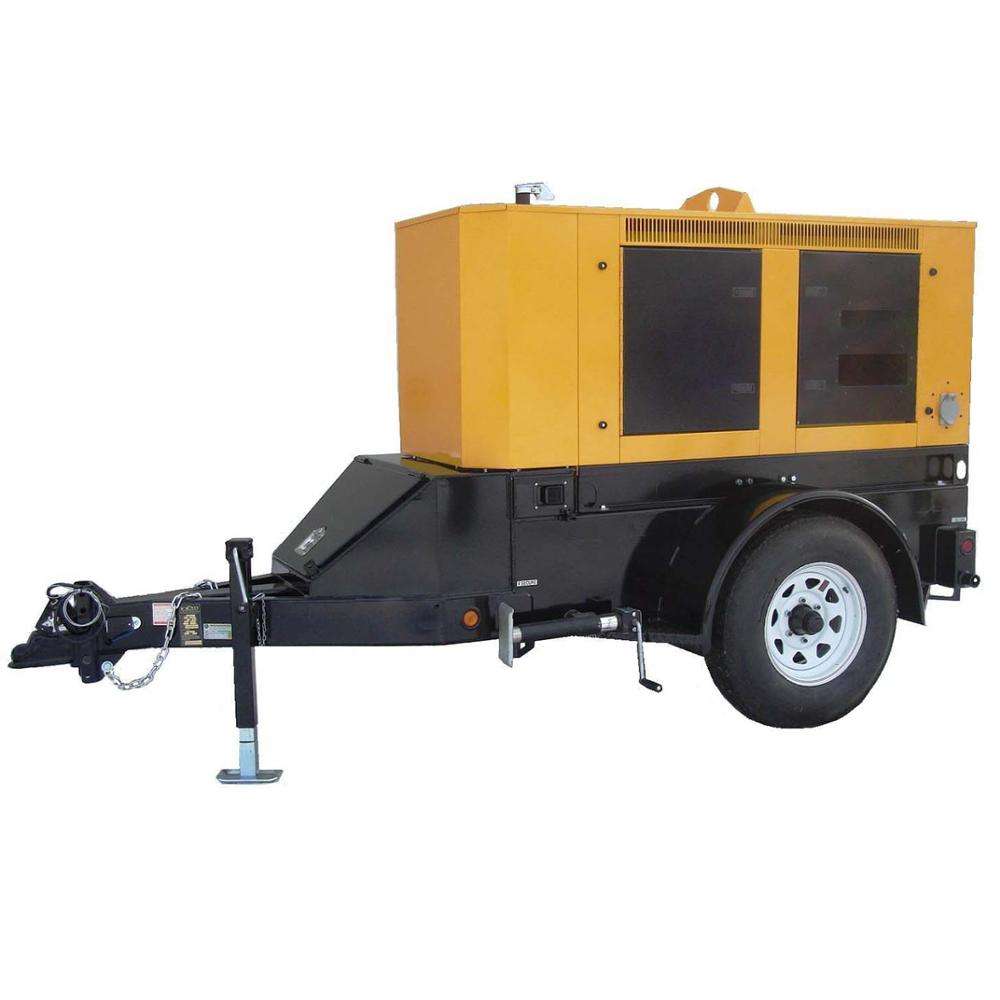
Periodic Manual Checks: Conduct weekly inspections using a calibrated infrared thermometer on bearing housings, verifying sensor readings. This redundancy is vital for Industrial Generator reliability, especially in remote locations with limited connectivity.
View: Above 2000kVA Generator
Predictive Maintenance Strategies
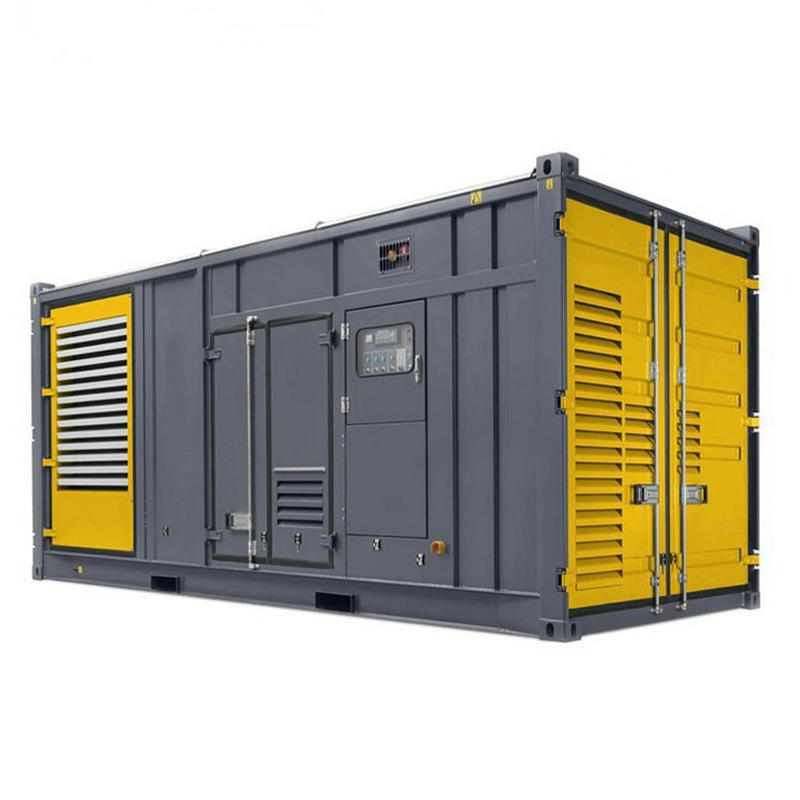
Leverage historical temperature data to identify trends. For example, a 0.5°C weekly increase in bearing temperature may indicate lubricant degradation or misalignment. Cummins recommends oil sampling in parallel with temperature monitoring, as contaminated lubricants often correlate with rising temperatures. In Industrial Generator applications, this predictive approach reduces unplanned downtime by up to 30%, per internal Cummins case studies.
When deploying a 3000kW Cummins Generator (Above 2000kVA Generator) for critical applications:
Data Centers: Prioritize real - time monitoring with remote access, using the generator’s built - in telemetry to integrate with facility BMS systems.Oil & Gas Sites: Opt for ruggedized sensors (e.g., ATEX - certified) to withstand hazardous environments, paired with explosion - proof enclosures.
Mining Operations: Combine temperature monitoring with vibration analysis (using accelerometers) to detect early - stage bearing defects, as dust and shock loads accelerate wear.
Effective bearing temperature monitoring for the Cummins Generator 3000kW model requires a layered approach—sensor precision, threshold customization, and data - driven maintenance. By adhering to this protocol, operators of Industrial Generator sets can extend bearing life, reduce downtime, and ensure compliance with ISO 8528 and Cummins’ operational standards. For optimal performance, consult Cummins’ service manual or partner with a certified Diesel Generator maintenance provider.
Stay Updated with Our News
Subscribe to our newsletter for the latest industry insights and product updates.