
30kVA Perkins Silent Generator: Installation Space Requirements
30kVA Perkins Silent Generator: Installation Space Requirements
The demand for reliable backup power in commercial spaces and critical facilities has surged, with the 30kVA Perkins Silent Diesel Generator emerging as a popular choice for its quiet operation and robust performance. Proper installation space planning is critical to ensure optimal cooling, maintenance accessibility, and compliance with safety standards. The 30kVA unit (a 20-100kVA Generator) requires precise spatial planning to avoid overheating, reduce maintenance downtime, and maximize operational lifespan.
Industry Standards and Technical Background
Silent generators like the Perkins model adhere to international standards such as ISO 8528-5, which outlines requirements for ventilation, noise attenuation, and service clearances. The enclosure design of a Perkins Silent Generator balances sound reduction with heat dissipation, meaning installation space must account for both airflow and physical access. For instance, the generator’s cooling system relies on unobstructed air intake and exhaust—any blockage can increase operating temperatures by 15–20°C, according to Perkins’ technical documentation.
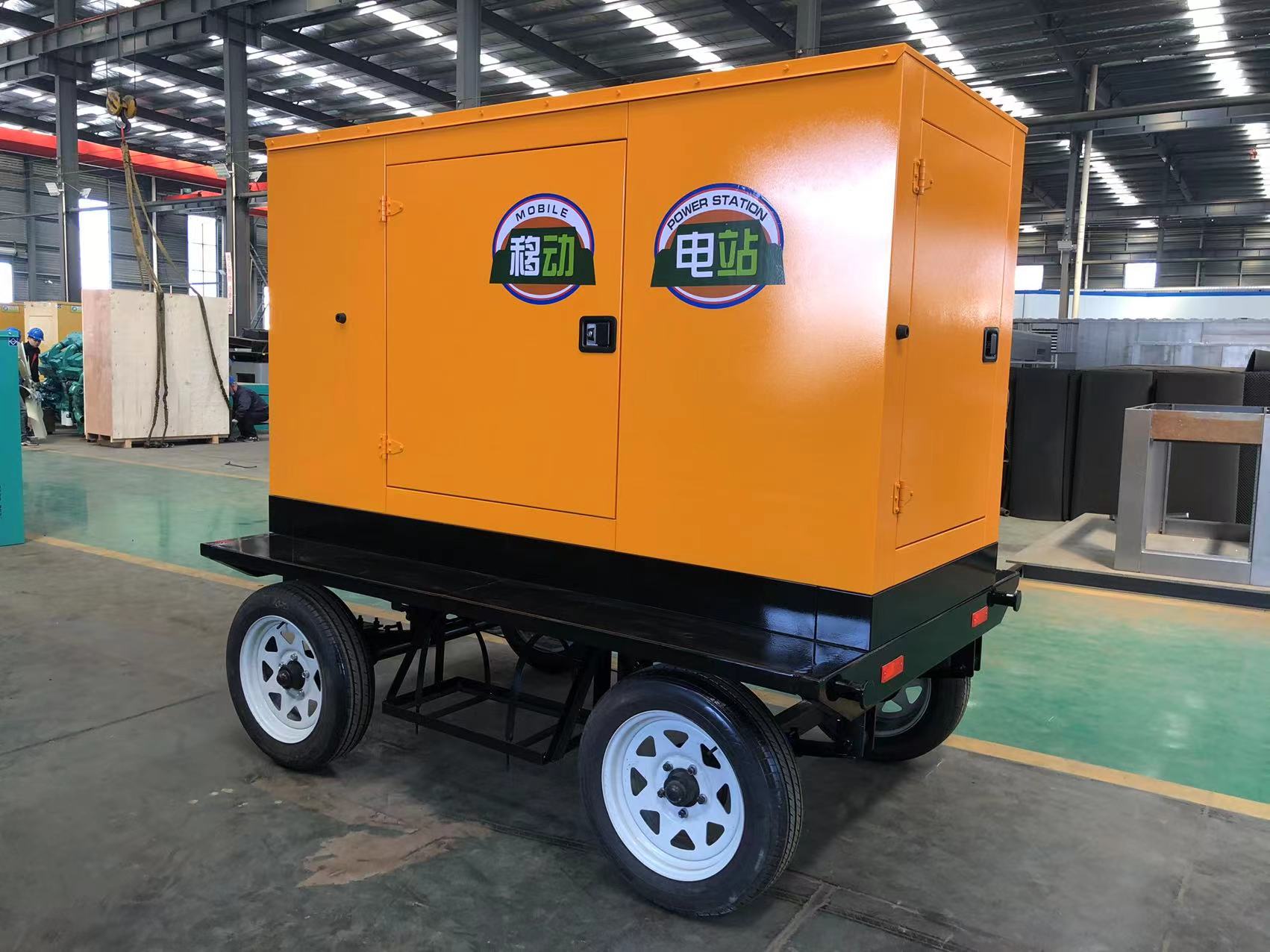
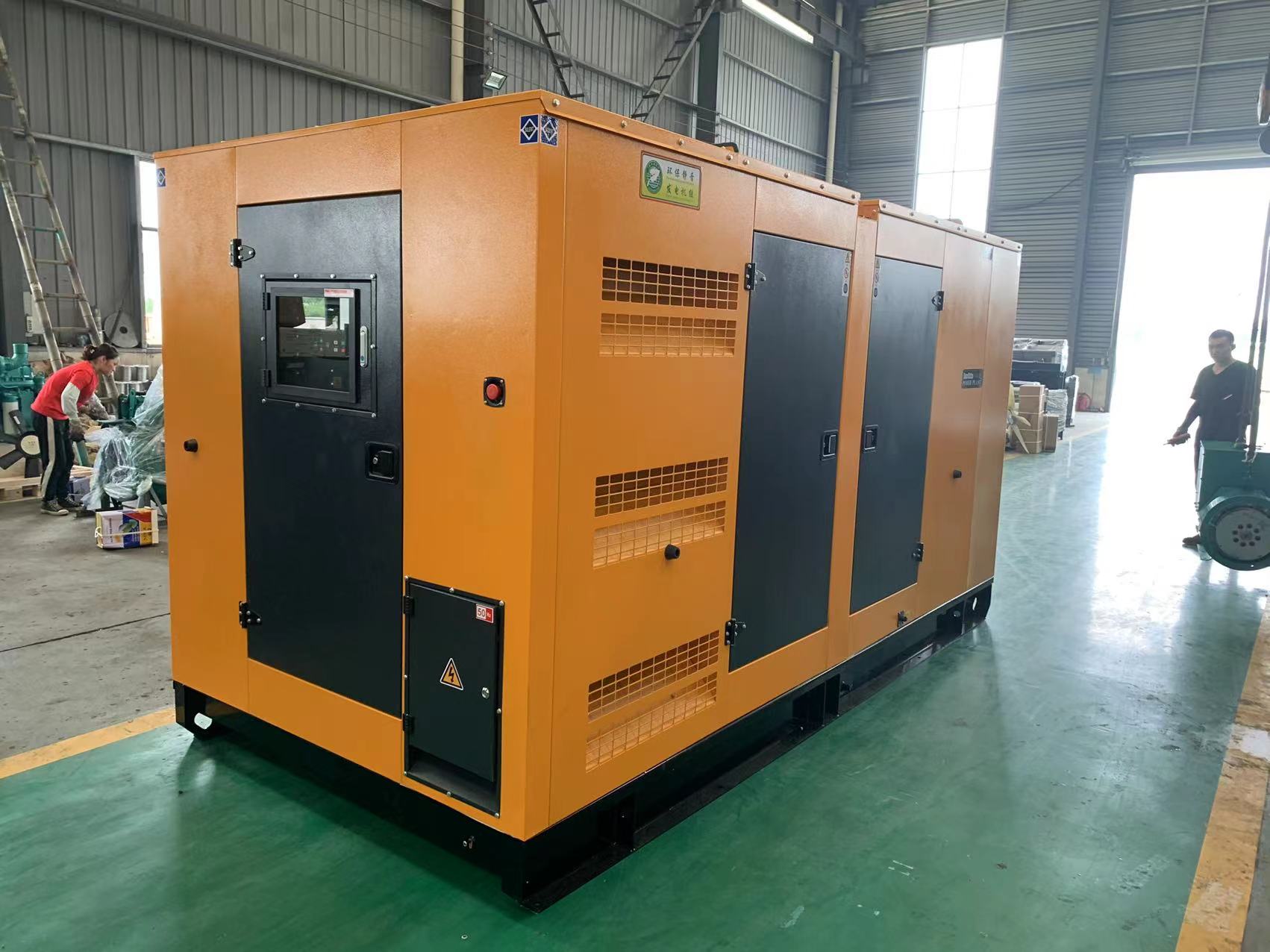
View: Perkins Silent Generator
Technical Installation Space Requirements
Unit Dimensions: The 30kVA Perkins Silent Generator typically measures approximately 2200mm (length) × 1100mm (width) × 1500mm (height) (actual dimensions may vary by model; refer to the official datasheet). This footprint must be cleared of all permanent structures, ensuring the generator sits on a level, non-combustible foundation rated for at least 150% of the unit’s weight (including fuel).
Ventilation Clearance: To facilitate heat exchange, maintain a minimum of 500mm clearance on all sides of the generator. The top should have at least 1000mm of open space to prevent hot air recirculation. In hot climates, this clearance may need to increase by 20–30% to compensate for ambient temperatures, as per ISO 8528-5 guidelines.
Maintenance Access: Service technicians require unobstructed access to perform routine checks and repairs. Allow at least 1200mm of clearance at the front (control panel side) and 800mm at the rear (engine side) for equipment removal. Side access (left/right) should be 800mm to accommodate tool movement and component replacement.
Obstacle and Safety Zones: The generator must be installed at least 1500mm away from flammable materials, water sources, and pedestrian traffic. If the unit is placed outdoors, ensure the enclosure is shielded from direct sunlight and precipitation, using a weatherproof canopy if necessary.
View: 30kVA Generator
Application-Specific Space Planning
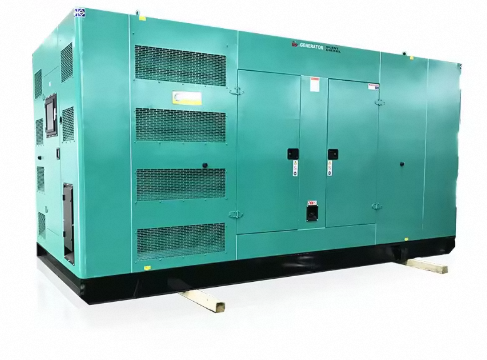
Data Centers/Server Rooms: These environments demand compact layouts. Opt for wall-mounted exhaust systems to save floor space, but ensure the generator’s intake is not obstructed by server racks. The 30kVA unit’s silent enclosure fits well in tight spaces, but ventilation ducts must be sized to handle 200m³/h of airflow (based on Perkins’ cooling specifications).
Hospitals/Medical Facilities: Prioritize noise reduction and maintenance access. Place the generator in a dedicated plant room with sound-absorbing walls, maintaining 1000mm clearance from walls for both ventilation and staff movement.
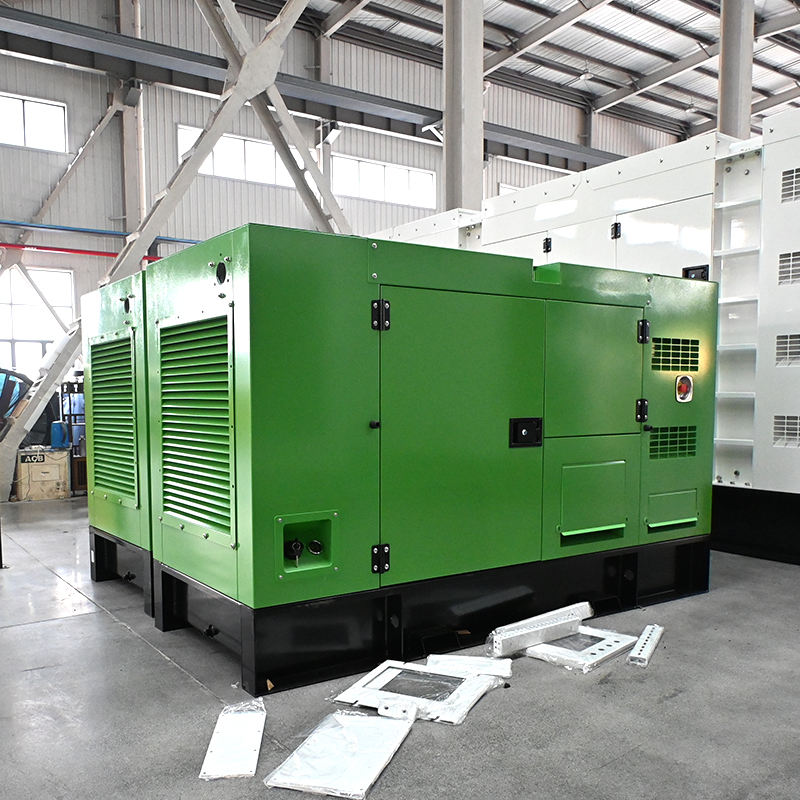
Industrial Settings: Factories may require the generator to be near production lines. In such cases, allocate an additional 500mm of clearance for forklift access during maintenance, ensuring the generator’s enclosure is rated for industrial dust and debris.
Conclusion
Proper installation space for a 30kVA Perkins Silent Generator is a balance of technical specifications, safety standards, and operational needs. By following Perkins’ guidelines and international standards, users ensure efficient cooling, easy maintenance, and long-term reliability. Always consult the official Perkins datasheet for model-specific dimensions and consult a certified installer to adapt these requirements to your site’s unique conditions.
Actual performance may vary based on installation environment, fuel quality, and maintenance practices.
Stay Updated with Our News
Subscribe to our newsletter for the latest industry insights and product updates.