
Diesel Generator OEM: Buyer’s Sourcing Guide
Diesel Generator OEM: Buyer’s Sourcing Guide
A diesel generator OEM purchase starts with matching the generator set to the load and confirming exactly what the supplier can provide under an OEM arrangement. For procurement teams, distributors, EPC contractors, and facility engineers sourcing for projects in Russia, compare prime and standby power, frequency, voltage, engine and alternator details, emissions information, and documentation before requesting a quotation. The product examples below show available 50 Hz models from 20 kW to 3,000 kW; they are reference points, not a substitute for a project load assessment or confirmation of OEM branding and customization options.
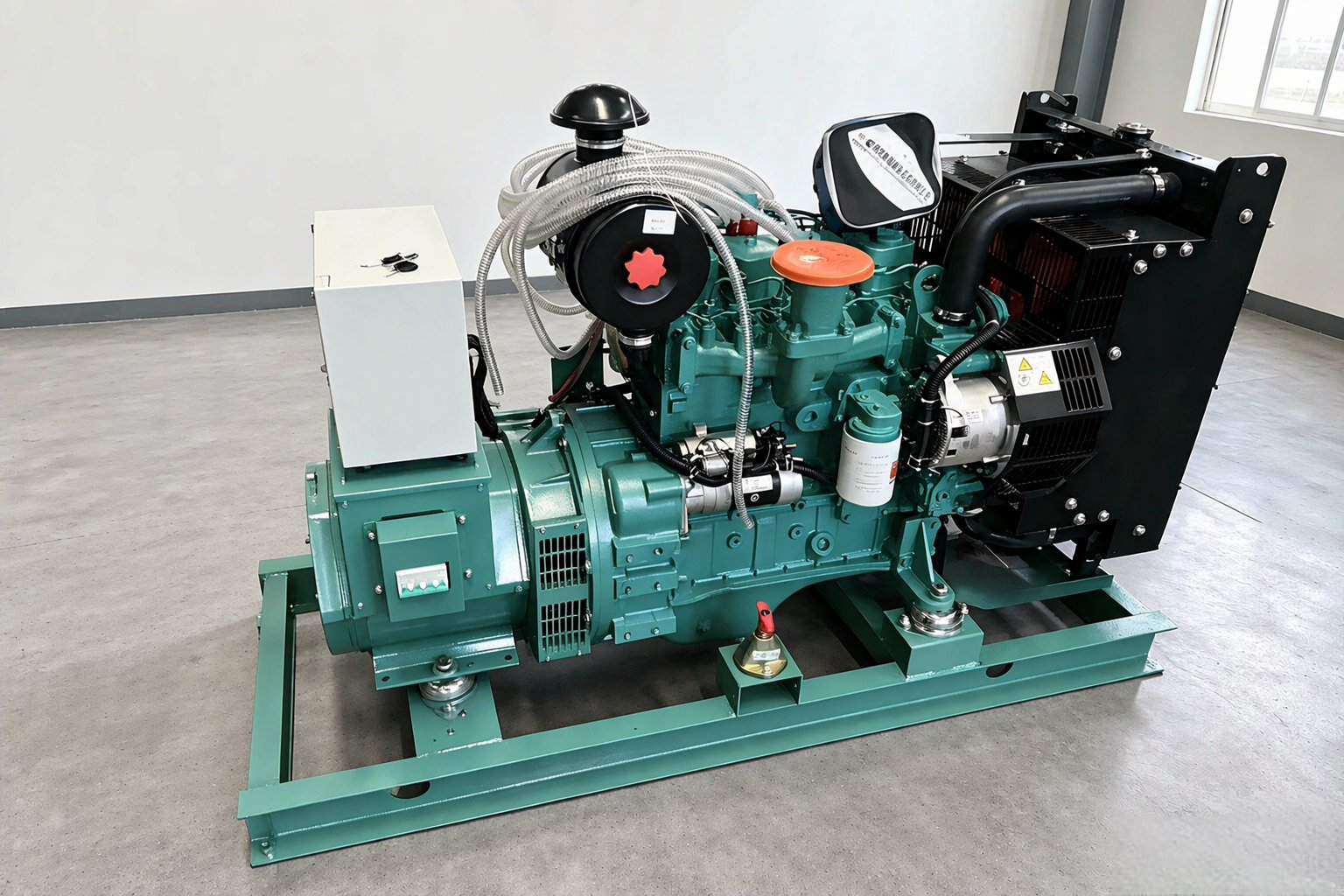
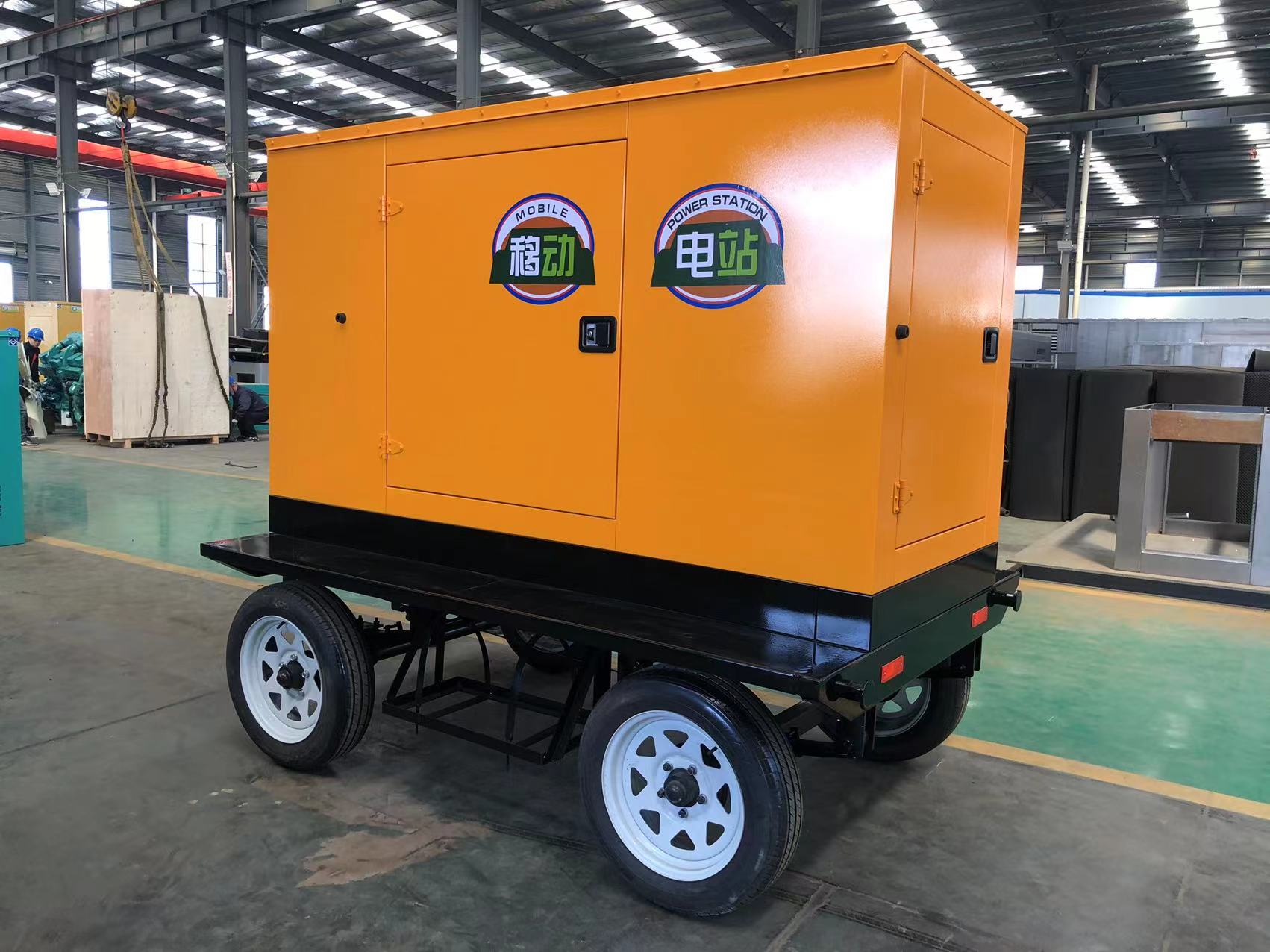
Illustrative generator photo; exact enclosure, frequency and configuration may differ from the model discussed.
What “diesel generator OEM” should mean in your RFQ
OEM can describe several different purchasing expectations: buying a generator built by a manufacturer for resale, requesting a private label, specifying components, or asking for a configuration tailored to a project. These are not interchangeable. The product information available here lists generator models and technical data, but does not confirm private-label services, design changes, or other OEM customization. Ask the supplier to state in writing which of these arrangements it can support and what is included in the quoted scope.
For a useful first response, provide the planned application, expected running and starting loads, required operating hours, site conditions, installation arrangement, and any tender or end-user documentation requirements. Identify whether the generator is intended for continuous or frequent operation, or only for outages. For projects in Russia, have the project team confirm the applicable electrical, import, emissions, and documentation requirements with the relevant parties; the product data alone does not establish local eligibility or compliance.
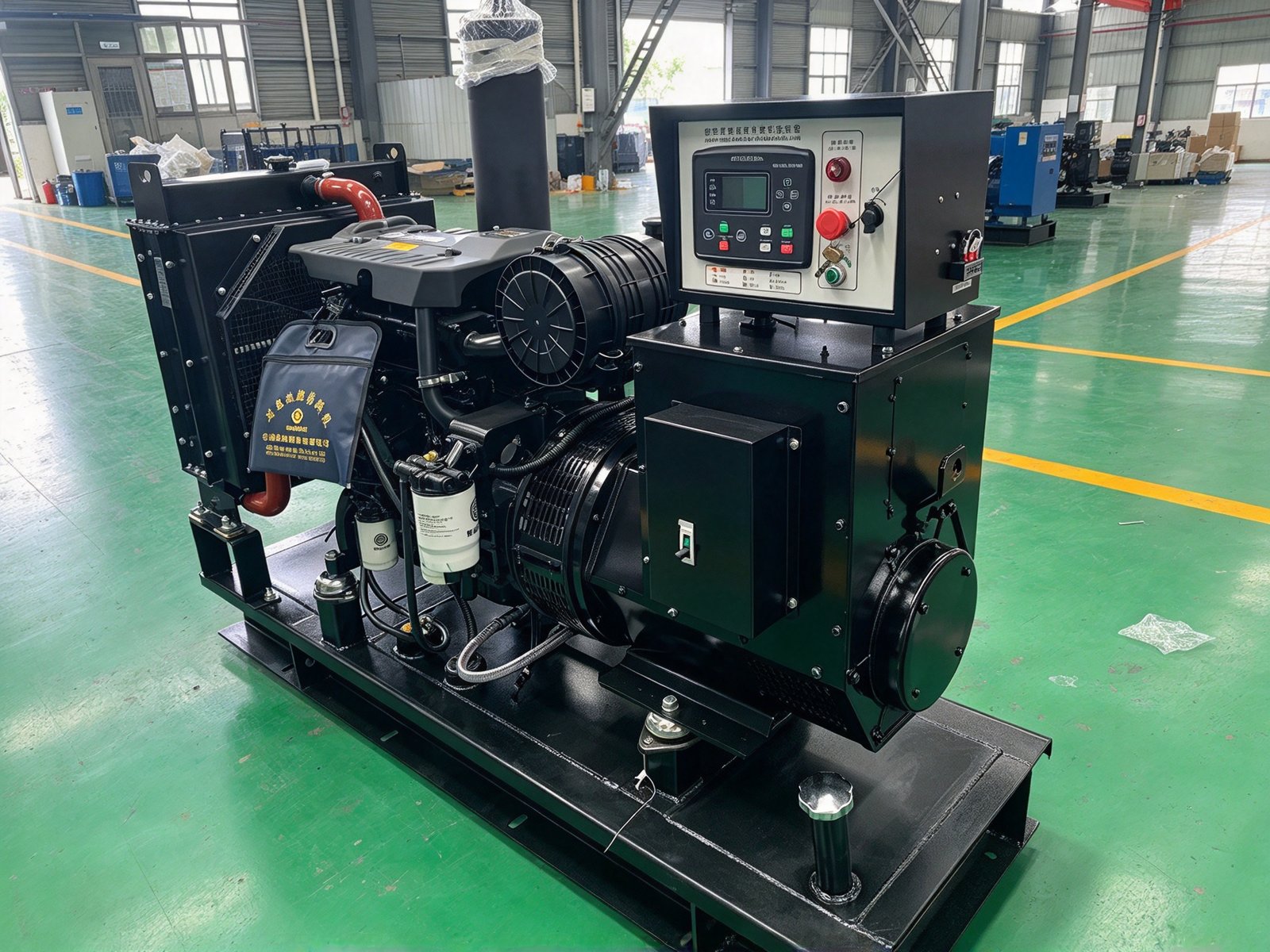
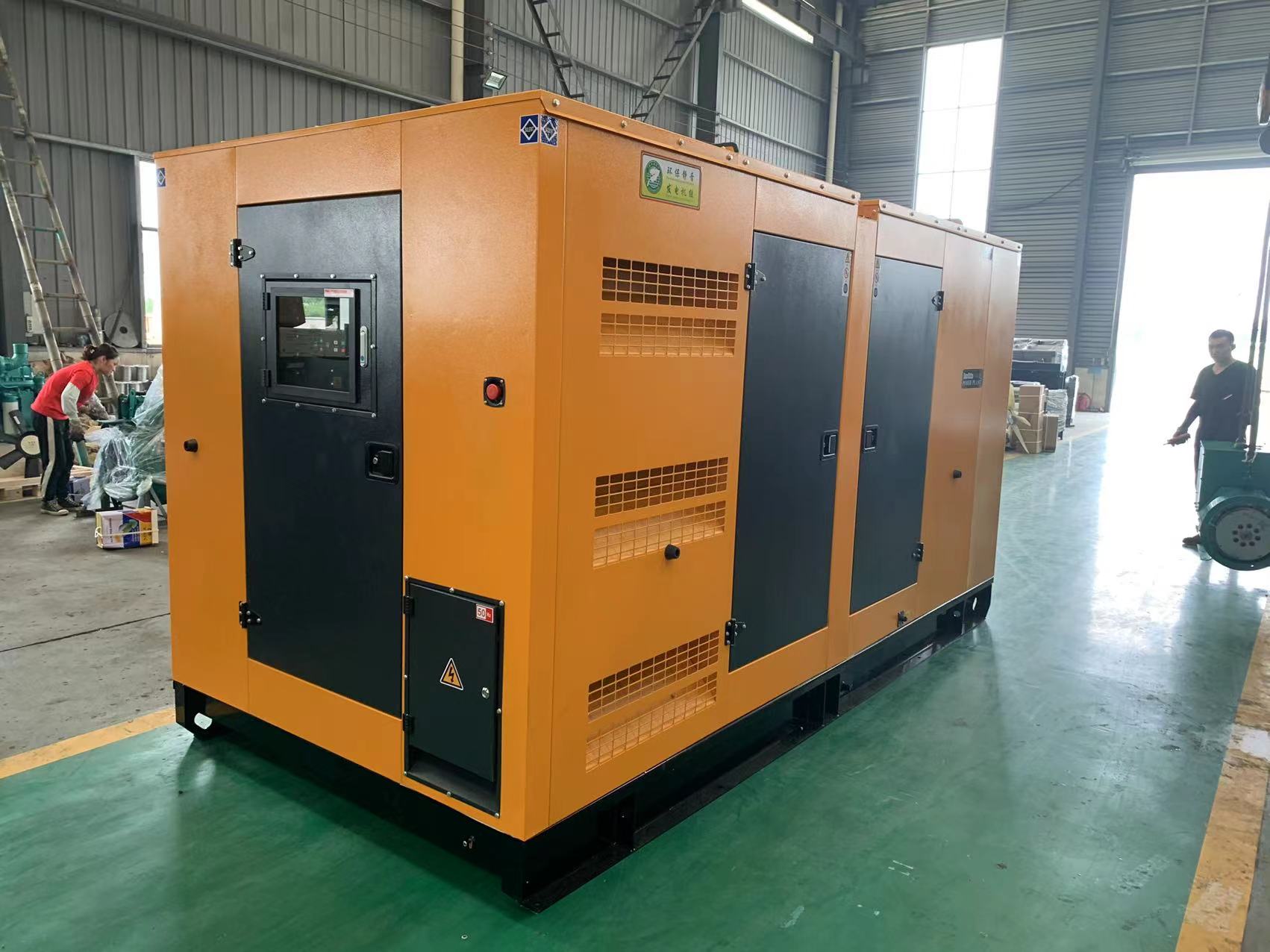
Illustrative generator photo; exact enclosure, frequency and configuration may differ from the model discussed.
Start with prime power, standby power, and the load profile
Prime power and standby power describe different operating needs. Use the prime power figure when assessing a generator expected to supply a variable load over planned operating periods. Standby power relates to backup duty during an interruption to the primary supply. Confirm the applicable rating definitions, operating limitations, and duty assumptions with the supplier before comparing offers. Do not size a unit from standby power if the intended duty calls for a prime-rated selection.
Prepare a load schedule rather than estimating from a single total. List the equipment that must operate at the same time, its running demand, and the largest motor or other load that starts abruptly. Identify essential and nonessential loads, expected expansion, and any load sequence. An engineer should check starting behavior and transient demand against the proposed set; the product figures below do not provide project-specific sizing results.
The listed range gives an initial way to sort RFQs by approximate power class:
- The KC-DC20G is rated at 20 kW prime power and 22 kW standby power.
- The KC-W64Y88 is rated at 64 kW prime power and 70 kW standby power.
- The KC-P160 is rated at 160 kW prime power and 176 kW standby power.
- The KCV-282GF is rated at 282 kW prime power and 310 kW standby power.
- The KC-450 is rated at 450 kW prime power and 500 kW standby power.
- The KC-C650 is rated at 650 kW prime power and 700 kW standby power.
- The KC-S1118 is rated at 1,118 kW prime power and 1,229.8 kW standby power.
- The KC-YC3000 is rated at 3,000 kW prime power and 3,300 kW standby power.
These are model ratings, not a recommendation that a particular size is right for a site. Ask for an engineering review using your load list and duty profile. The supplied data gives power in kW, not kVA, for these examples; do not treat the two units as interchangeable or assume an unlisted kVA rating.
Verify frequency and voltage before comparing models
Frequency and voltage can determine whether a generator fits the intended system. The listed models above are specified at 50 Hz, but voltage is not identical across the range. For example, KC-DC20G, KC-W64Y88, KCV-282GF, KC-450, KC-C650, and KC-S1118 are listed at 400/230 V. KC-P160 is listed at 230/400 V, while KC-YC3000 is listed at 380/220 V.
Put the project’s required frequency, voltage, phase arrangement, and connection details directly into the inquiry. Ask the supplier to confirm the offered configuration in the formal quotation and drawings. Do not assume a model can be supplied at a different frequency or voltage just because a similar model is listed. If the project needs a configuration not shown in the data, request confirmation rather than relying on an inferred option.
The listed generator specifications include three-phase, four-wire, Y connection for these examples. Confirm that arrangement against the project design and downstream equipment. For a multi-unit project, ask the engineering team to review compatibility and the full electrical scope; the listed product data does not state paralleling capability or a complete installation design.
Compare engine, alternator, and emissions information
A model comparison should identify the actual engine and alternator rather than relying on a broad product-family label. For instance, KC-DC20G lists a 4B3.9-G1 diesel engine and KCI-20 alternator; KC-P160 lists a 1106A-70TAG4 engine and KCI-160 alternator; and KC-C650 lists a KTA38-G2E engine and KCI-650 alternator. Use the exact model and component identifiers in the RFQ so that quotations can be compared on a like-for-like basis.
Several listed models specify an AVR (automatic voltage regulator), brushless three-phase AC synchronous alternator, IP23 protection class, H insulation class, and self-excited excitation. Check the individual model documentation before treating any of these details as applicable to another unit. Ask what technical documents, drawings, test records, and component identification will be supplied with the offered configuration; the available specifications do not define a complete document package.
Emissions information also needs model-by-model confirmation. Some examples are identified as China Stage II and others as China Stage III, while the KC-P160 record does not list an emissions stage. These descriptions are not evidence of approval for use or import in Russia. Ask the supplier for the precise documentation for the proposed engine and have the responsible project or import parties confirm whether it meets the requirements that apply to the intended use.
Include installation and operating constraints in selection
A generator’s rated output is only one part of the selection. Confirm the available installation area, access route, lifting and foundation arrangements, ventilation, exhaust routing, cooling-air path, fuel arrangements, and maintenance access with the project team. Request verified dimensions and operating weight for the exact offered configuration. Dimensions or weights should not be assumed from a different model, and a stated reference value should be verified before it is used for layout or lifting plans.
The product examples list closed water-circulation cooling with forced-air cooling. They do not establish that a particular installation will work without a site review. Tell the supplier about indoor or outdoor placement, expected ambient conditions, altitude if relevant, and any enclosure or noise constraints. The listed noise figure is 102 dB at LP7M for the example records, but the data does not specify a soundproof-canopy option or a project noise result. Request clarification on the measurement basis and configuration if noise performance affects the tender.
For anticipated operating hours, ask for the fuel-consumption basis and confirm how it relates to the expected load. The listed model figures range from 196 g/kW·h for KC-C650 to 220 g/kW·h for KC-P160, with other models between those examples. These figures are model data, not a guaranteed site consumption rate. A quotation should clarify the conditions and load basis used, and the project team should assess fuel storage and replenishment needs separately.
A clear RFQ helps distributors and EPC teams compare offers
Send a structured inquiry with the following information:
- Required prime and standby power, plus a load schedule and duty profile.
- Required frequency, voltage, phase, and connection arrangement.
- Installation location, operating environment, space limits, and access constraints.
- Engine and alternator preferences, if the project specifies them.
- Emissions and documentation requirements confirmed for the intended market and project.
- Any requested private label, nameplate, packaging, component, or configuration scope, clearly marked as a requirement for supplier confirmation.
- Quantity, project schedule, destination, and the commercial and technical documents required for bid evaluation.
Request a model-specific technical offer that identifies exceptions and open points rather than accepting a broad statement that a unit is suitable. Ask the supplier to confirm the rating basis, electrical configuration, included equipment, exclusions, dimensions, weight, and documentation in writing. The facts listed here do not provide pricing, minimum order quantity, lead time, warranty, shipping arrangements, or service coverage, so these should be requested and evaluated separately.
Next step: send a project-specific inquiry
If you are evaluating a diesel generator OEM source for a Russian project, submit the load schedule and required electrical configuration together with the proposed duty, destination, and documentation needs. State whether you require standard generator sets or an OEM/private-label arrangement, then ask the supplier to confirm availability and scope explicitly. This gives procurement and engineering teams a practical basis for checking technical fit, regulatory documentation, and commercial terms before advancing to tender or purchase-order review.
FAQ
What causes black smoke from a diesel generator set?
Black smoke indicates incomplete combustion. Possible causes include a clogged air filter restricting intake air, excessive fuel injection, poor injector atomization, a sudden increase in load, or poor-quality diesel fuel. Check or clean the air filter, use suitable-quality fuel, inspect the injection system, and avoid sustained overload.
A generator set stopped automatically and will not restart. How can I distinguish a protection trip from hardware failure?
First check the controller’s historical fault codes. If overspeed, high temperature, or low oil pressure protection was triggered, the protection may need to be manually reset after the cause is addressed. If there is no fault code, check the battery and fuel system.
How often should a diesel generator set receive routine maintenance?
The first service is specified at 50 hours, including oil, oil-filter, and fuel-filter replacement. Routine maintenance is specified every 200–250 hours: replace the oil and three filters; inspect the belt, coolant, battery, piping, and fasteners; and clean the air filter and radiator. A full unit inspection is specified annually.
What should be checked when a generator set has high coolant temperature or shuts down on a high-temperature alarm?
Check coolant level, radiator blockage, fan speed, thermostat, and water-pump operation. Clean the radiator cooling system and address blockage or poor coolant circulation.
Why might a brushless generator have no voltage output after being stopped for a period?
Residual magnetism may have been lost. The supplied troubleshooting guidance says magnetization can restore it. Windings may lose magnetism more readily in damp conditions, so keep the generator room dry.
Stay Updated with Our News
Subscribe to our newsletter for the latest industry insights and product updates.