
Diesel Generator Manufacturer Saudi Arabia | 50Hz Sets
Diesel Generator Manufacturer Saudi Arabia | 50Hz Sets
If you are sourcing a diesel generator manufacturer for a project in Saudi Arabia, begin by matching the generator’s prime or standby rating, frequency and voltage to the intended duty and site electrical design. The documented product range here includes 50 Hz diesel generator sets from 20 kW prime to 3,000 kW prime, with listed voltage configurations of 400/230 V, 230/400 V and 380/220 V. Treat these as product specifications to evaluate—not confirmation of local regulatory acceptance, availability or suitability for a particular project. Request written confirmation of the exact configuration and documentation before ordering.
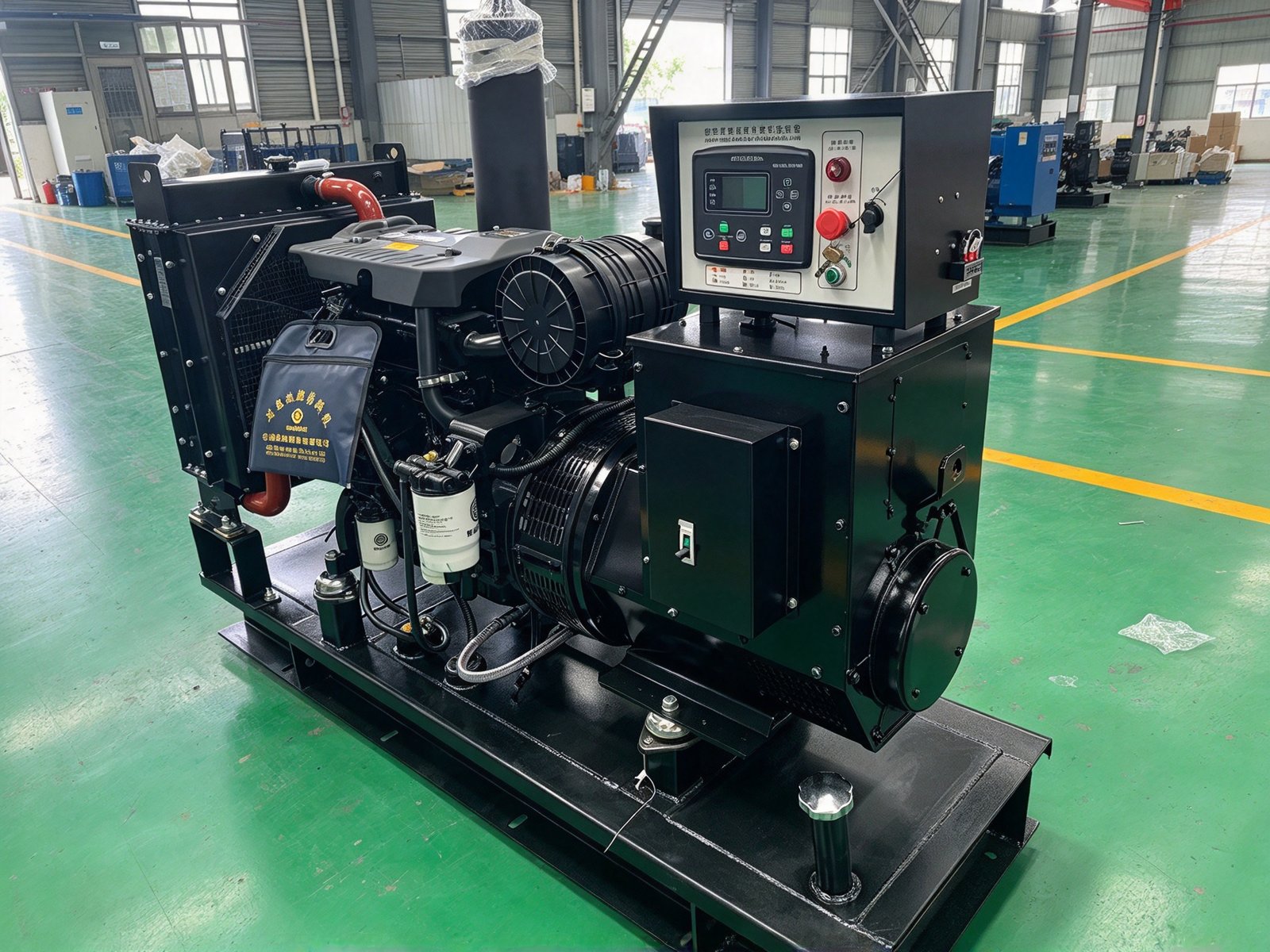
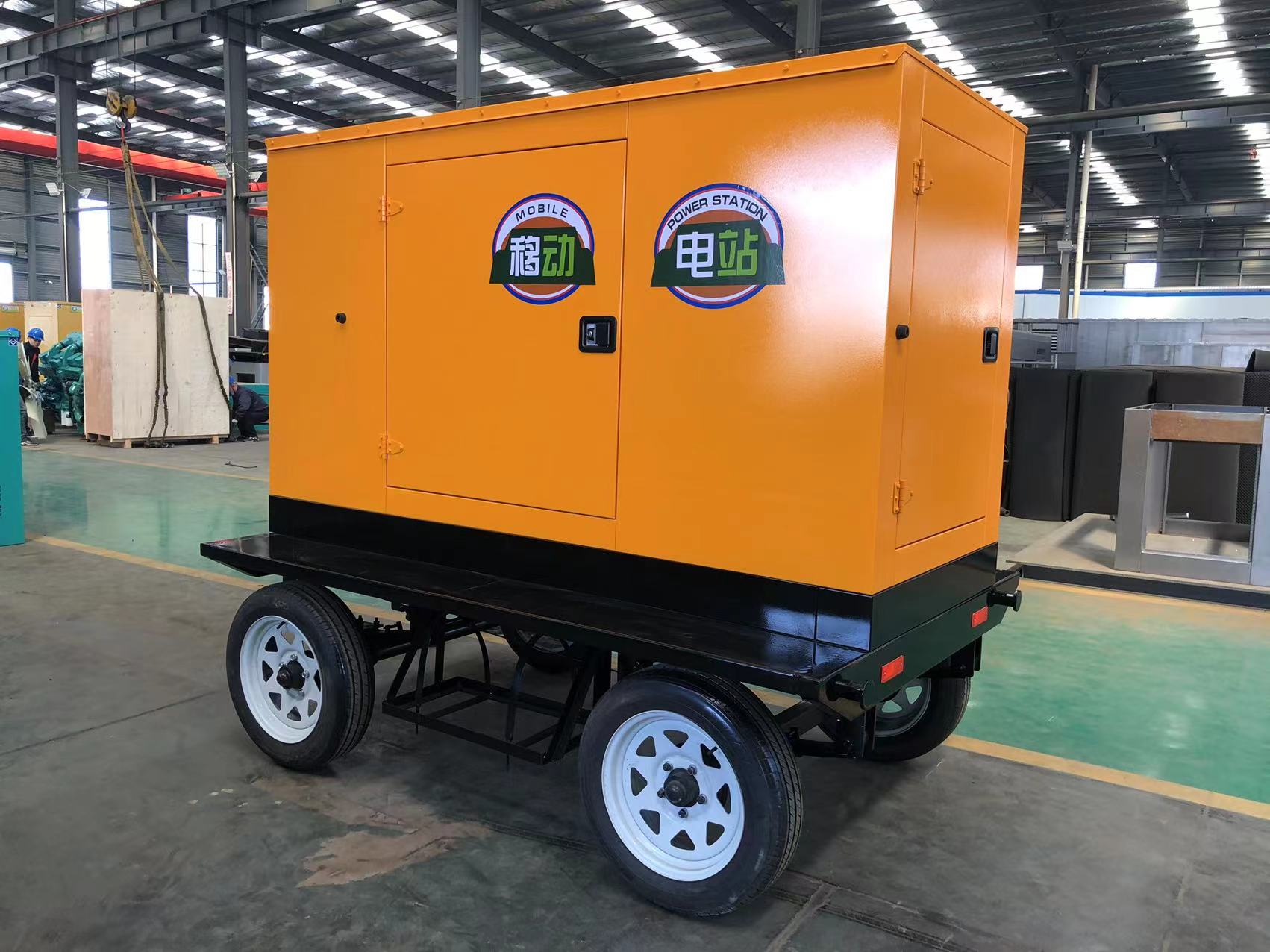
Illustrative generator photo; exact enclosure, frequency and configuration may differ from the model discussed.
Diesel generator manufacturer Saudi Arabia: compare capacity and configuration
The models below illustrate the documented range. Prime and standby figures are shown separately because the correct rating depends on how the set will be used. Do not select a model based only on the largest expected load or on the standby figure: provide the supplier and project engineer with the load profile and intended operating duty so they can confirm a suitable rating.
- KC-DC20G: 20 kW prime, 22 kW standby; 50 Hz; 400/230 V; 4B3.9-G1 diesel engine; 36 A output current. The listed engine uses mechanical governing.
- KC-W64Y88: 64 kW prime, 70 kW standby; 50 Hz; 400/230 V; WP4.1D80E200 diesel engine; 116 A output current. The listed engine uses electronic governing.
- KC-P160: 160 kW prime, 176 kW standby; 50 Hz; 230/400 V; Perkins 1106A-70TAG4 diesel engine; 288 A output current.
- KCV-282GF: 282 kW prime, 310 kW standby; 50 Hz; 400/230 V; TAD1342GE-B diesel engine; 508 A output current.
- KC-450: 450 kW prime, 500 kW standby; 50 Hz; 400/230 V; KCV550 diesel engine; 810 A output current.
- KC-C650: 650 kW prime, 700 kW standby; 50 Hz; 400/230 V; KTA38-G2E diesel engine; 1,170 A output current.
- KC-S1118: 1,118 kW prime, 1,229.8 kW standby; 50 Hz; 400/230 V; 6WTAA35-G313 diesel engine; 2,017 A output current.
- KC-YC3000: 3,000 kW prime, 3,300 kW standby; 50 Hz; 380/220 V; YC16VC4900-D30 diesel engine; 5,400 A output current.
These specifications are a shortlist, not a complete project design. Confirm the exact voltage convention and connection, the required output current, and whether the selected rating applies to the intended duty. The product data lists three-phase, four-wire, Y-connected output for these models. The 3,000 kW set is listed at 380/220 V, while other examples are listed at 400/230 V or 230/400 V; do not assume those ratings are interchangeable with a project’s electrical design.
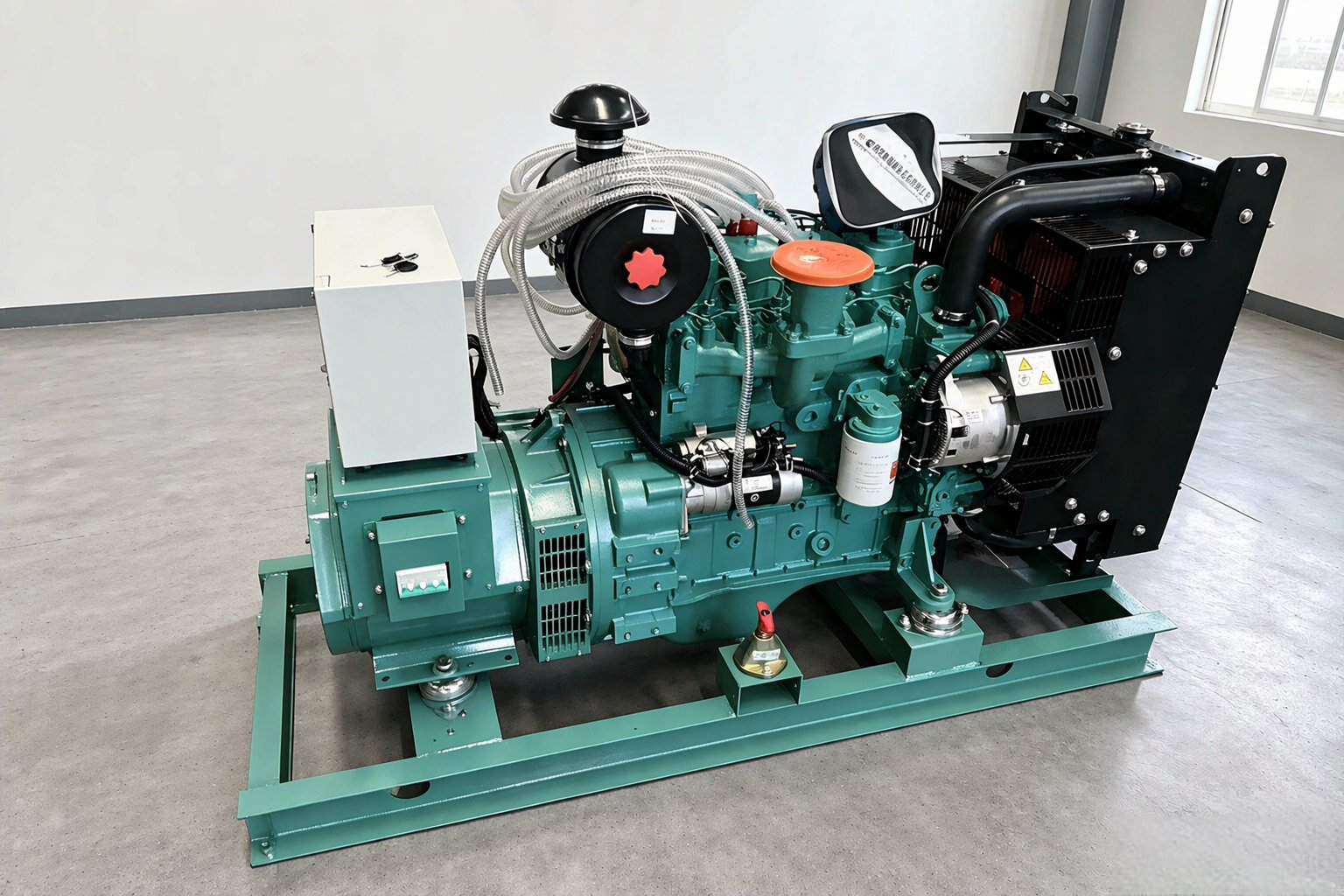
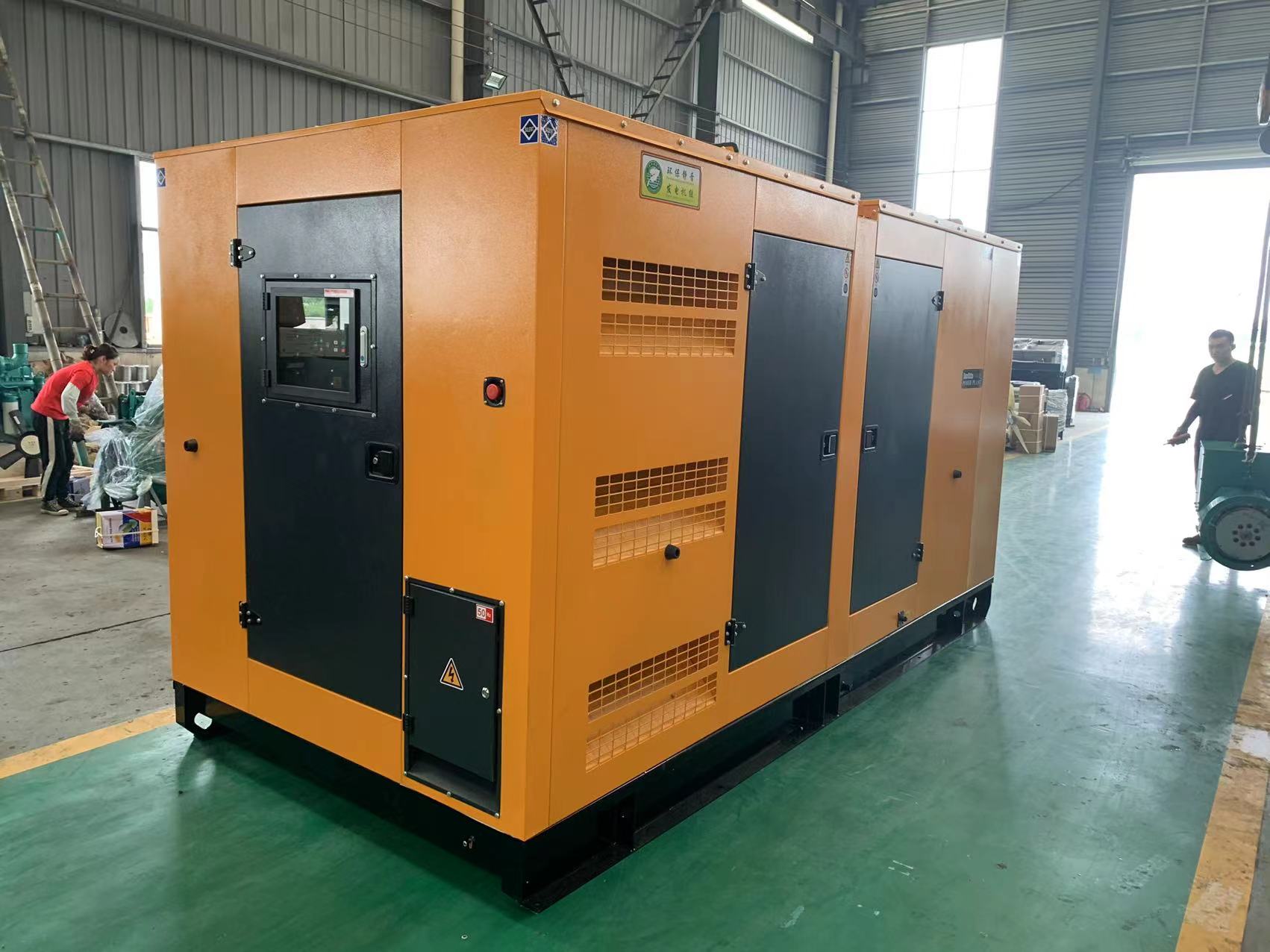
Illustrative generator photo; exact enclosure, frequency and configuration may differ from the model discussed.
Size the set around the actual load
Prepare a load schedule before requesting a quotation. Include the equipment that must operate together, its running demand, and any motors or other loads with significant starting demand. Identify loads that are essential, loads that can be sequenced, and planned future additions. This gives the supplier and consulting engineer a basis for evaluating generator capacity rather than relying on a single headline kilowatt figure.
For mixed loads, ask the project engineer to assess starting conditions and the impact of load steps on the generator. Where a load can be started in sequence, record the proposed sequence; where simultaneous starting is necessary, include that requirement. Include power factor if it is specified in the project documents. Among the listed models, KC-P160, KC-450 and KC-S1118 specify a 0.8 lagging power factor. The other models’ data should be confirmed if this information is needed for the project calculation.
Allow the engineering team to review the load schedule against the selected set’s output and intended operating duty. Do not add an arbitrary percentage to a preliminary load total and treat that as a final selection. Ask for the sizing basis and for confirmation of the rating under the site conditions and operating scenario you provide.
Prime or standby: state the operating duty
A prime rating and a standby rating are not two interchangeable ways to describe the same project requirement. The models above carry distinct values—for example, KC-C650 is listed at 650 kW prime and 700 kW standby, while KC-P160 is listed at 160 kW prime and 176 kW standby. Tell the supplier whether the generator is intended for regular power supply, backup use, or another duty defined by the project specification. Request written confirmation that the proposed rating matches that duty and ask which rating should be used for the design and quotation.
For a backup application, share the loads that must remain powered and how they will be transferred or sequenced. For an application expecting regular operation, provide the anticipated operating pattern and load profile. The product data does not establish the correct duty classification for your project, so have the responsible engineer confirm the selection against the applicable project requirements.
Confirm frequency, voltage and site conditions
Every generator model listed here is specified at 50 Hz. That makes frequency a key item for procurement review, not an assumption to leave until commissioning. Confirm the required frequency and voltage with the project electrical documents and the equipment that the generator will supply. If a project calls for a different frequency or voltage, request confirmation of an available, suitable configuration rather than assuming that a listed set can be adapted.
Saudi Arabia is the target market for this enquiry, but the available product data does not confirm Saudi regulatory acceptance, project-specific electrical compatibility, or local availability. Ask the supplier and your project’s responsible technical parties to confirm the applicable approvals, emissions documentation, connection details, control and transfer interfaces, and any required inspection or test records. The listings include China Stage II emissions for some models and China Stage III for others; those descriptions alone do not establish compliance with requirements for a Saudi project.
Provide site information that may affect the design and installation, including the installation location, ambient conditions, ventilation approach, access route, room or pad constraints, and any noise limit in the project documents. Ask for the proposed enclosure or installation arrangement and for confirmation of dimensions, lifting and access requirements. The product sheets list IP23 protection for the alternators, but do not provide enough information to determine the protection of a complete installed system or its suitability for a particular environment.
Match the equipment to the application and installation plan
Generator capacity is only one part of procurement. A factory or logistics facility may need a set for selected essential loads, a wider facility load, or a defined operating role within a larger power system. A documented factory-logistics case record describes a 600 kW generator set, and another records a 250 kW set. These anonymous examples show equipment and power levels associated with that industry; they do not establish the operating results, site conditions or configuration required for your facility.
For industrial, commercial or infrastructure enquiries, specify which loads the set must support and whether the project involves one set or a broader system. Clarify whether the installation is indoors or outdoors, what space is available, and what interface requirements appear in the project documents. Request a dimensioned drawing and a configuration proposal for review before finalizing the civil, electrical or mechanical design. No enclosure, fuel tank, automatic transfer switch, paralleling arrangement or control package is confirmed by the listed product specifications, so identify each as a separate requirement if needed.
Request a project-specific quotation
A useful enquiry for a Saudi Arabia project should include the required prime and standby capacity, the intended operating duty, the load schedule, frequency, voltage, phase and connection requirements, and any motor-starting or load-sequencing considerations. Add site conditions, installation constraints, required documentation, and the project’s target configuration. If you are evaluating a particular model, name it and ask for confirmation of its complete specification against your application.
Request a written response that identifies the proposed model, rating basis, voltage and frequency, engine and alternator details, dimensions, included accessories, exclusions, and documents available for technical review. Also ask the supplier to confirm compliance and availability for the specific Saudi project rather than relying on a general market statement. For distributors and EPC contractors, this information supports a clear comparison of offers; for facility engineers and procurement teams, it creates a practical checklist for technical approval.
To begin, send your load schedule and project requirements and request a configuration review for the relevant 50 Hz model. Confirm all commercial, regulatory, delivery, commissioning and service conditions in writing before placing an order.
FAQ
What should I check if a diesel generator produces black smoke?
Black smoke indicates incomplete combustion. Possible causes include a clogged air filter restricting intake, excess fuel injection, poor injector atomization, a sudden load increase, or poor-quality diesel. Check and clean the air filter, use suitable quality fuel, inspect the injection system, and avoid prolonged operation under excessive load.
A generator stopped automatically and will not restart. How can I distinguish a protection trip from hardware failure?
First review the controller’s fault history. If overspeed, high temperature or low oil pressure protection has activated, reset the protection manually after addressing the cause. If there is no fault code, check the battery and fuel system.
Why might a brushless generator have no voltage after being stopped for some time?
The generator may have lost residual magnetism. Magnetizing the generator can restore it. In damp environments, winding moisture can contribute to loss of magnetism, so keep the generator room dry.
How often should a diesel generator receive routine maintenance?
The stated schedule is an initial service after 50 hours, including changing engine oil, the oil filter and the diesel filter. Routine maintenance is listed every 200–250 hours: change oil and the three filters; inspect the belt, coolant, battery, piping and fasteners; and clean the air filter and radiator. A comprehensive inspection is listed annually.
What should I check when a generator reports high coolant temperature?
Check the coolant level, radiator blockage, fan speed, thermostat and water-pump operation. Clean the radiator cooling system and address any blockage or restricted coolant circulation.
Stay Updated with Our News
Subscribe to our newsletter for the latest industry insights and product updates.