
Diesel Generator Supplier Philippines | 20–3,000 kW
Diesel Generator Supplier Philippines | 20–3,000 kW
If you are evaluating a diesel generator supplier in the Philippines, start by matching the generator set’s prime or standby rating, frequency and voltage to the project’s actual requirements. The models listed here cover 20 to 3,000 kW, with 50 Hz output and several voltage configurations. Before requesting a quotation, prepare your load information and confirm the required duty rating, electrical configuration, emissions suitability and project-specific scope.
For procurement teams, distributors, EPC contractors and facility engineers, the model range provides options for different project scales. The listed specifications are product data, not confirmation that a particular model meets a Philippine project’s requirements. Ask for written confirmation against your site design and procurement documents before selecting equipment.
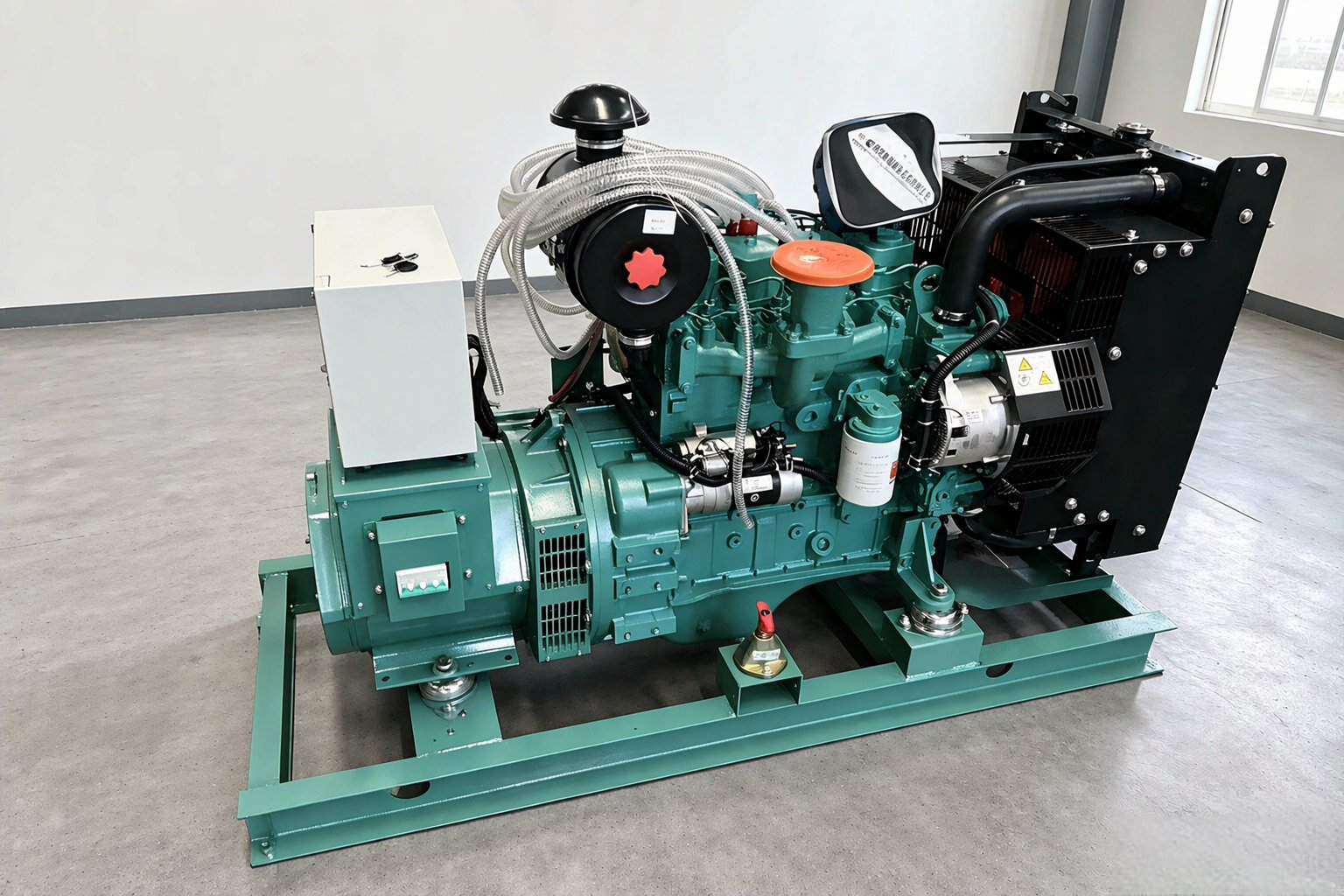
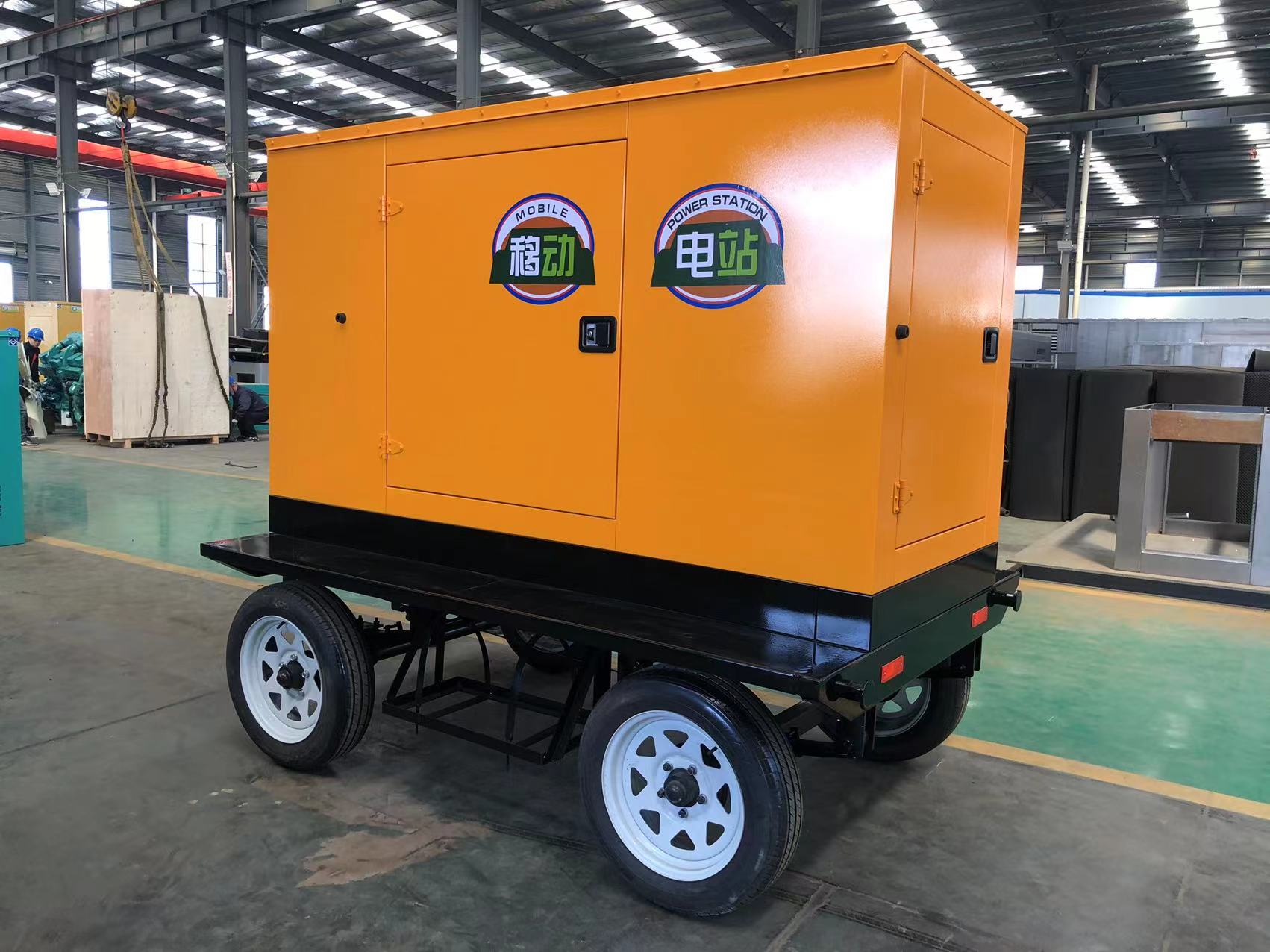
Illustrative generator photo; exact enclosure, frequency and configuration may differ from the model discussed.
Diesel generator supplier Philippines: listed model range
These examples show the available power steps and some important differences in the listed product data. Ratings are in kW; the source specifications do not provide kVA ratings for these models.
- KC-DC20G: 20 kW prime power and 22 kW standby power; 50 Hz; 400/230 V. It uses a 4B3.9-G1 diesel engine and KCI-20 alternator. The listed emission classification is China Stage II. (P1)
- KC-W64Y88: 64 kW prime power and 70 kW standby power; 50 Hz; 400/230 V. It uses a WP4.1D80E200 diesel engine and KCI-64 alternator. The listed emission classification is China Stage II. (P2)
- KC-P160: 160 kW prime power and 176 kW standby power; 50 Hz; 230/400 V. The engine model is 1106A-70TAG4, and the alternator model is KCI-160. No emission classification is listed in the supplied specifications. (P3)
- KCV-282GF: 282 kW prime power and 310 kW standby power; 50 Hz; 400/230 V. It uses a TAD1342GE-B diesel engine and KCI-282 alternator. The listed emission classification is China Stage II. (P4)
- KC-450: 450 kW prime power and 500 kW standby power; 50 Hz; 400/230 V. Its engine model is KCV550 and its alternator model is KCI-450. The listed emission classification is China Stage II. (P5)
- KC-C650: 650 kW prime power and 700 kW standby power; 50 Hz; 400/230 V. It uses a KTA38-G2E diesel engine and KCI-650 alternator. The listed emission classification is China Stage III. (P6)
- KC-S1118: 1,118 kW prime power and 1,229.8 kW standby power; 50 Hz; 400/230 V. The engine model is 6WTAA35-G313, with a KCI-1118 alternator. The listed emission classification is China Stage III. (P7)
- KC-YC3000: 3,000 kW prime power and 3,300 kW standby power; 50 Hz; 380/220 V. It uses a YC16VC4900-D30 diesel engine and KCI-3000 alternator. The listed emission classification is China Stage III. (P8)
The listed models use brushless three-phase synchronous alternators with AVR (automatic voltage regulator). Their specifications also identify a three-phase, four-wire, Y connection. Confirm that these details match the project’s electrical design; do not infer compatibility from the kW rating alone. (P1–P8)
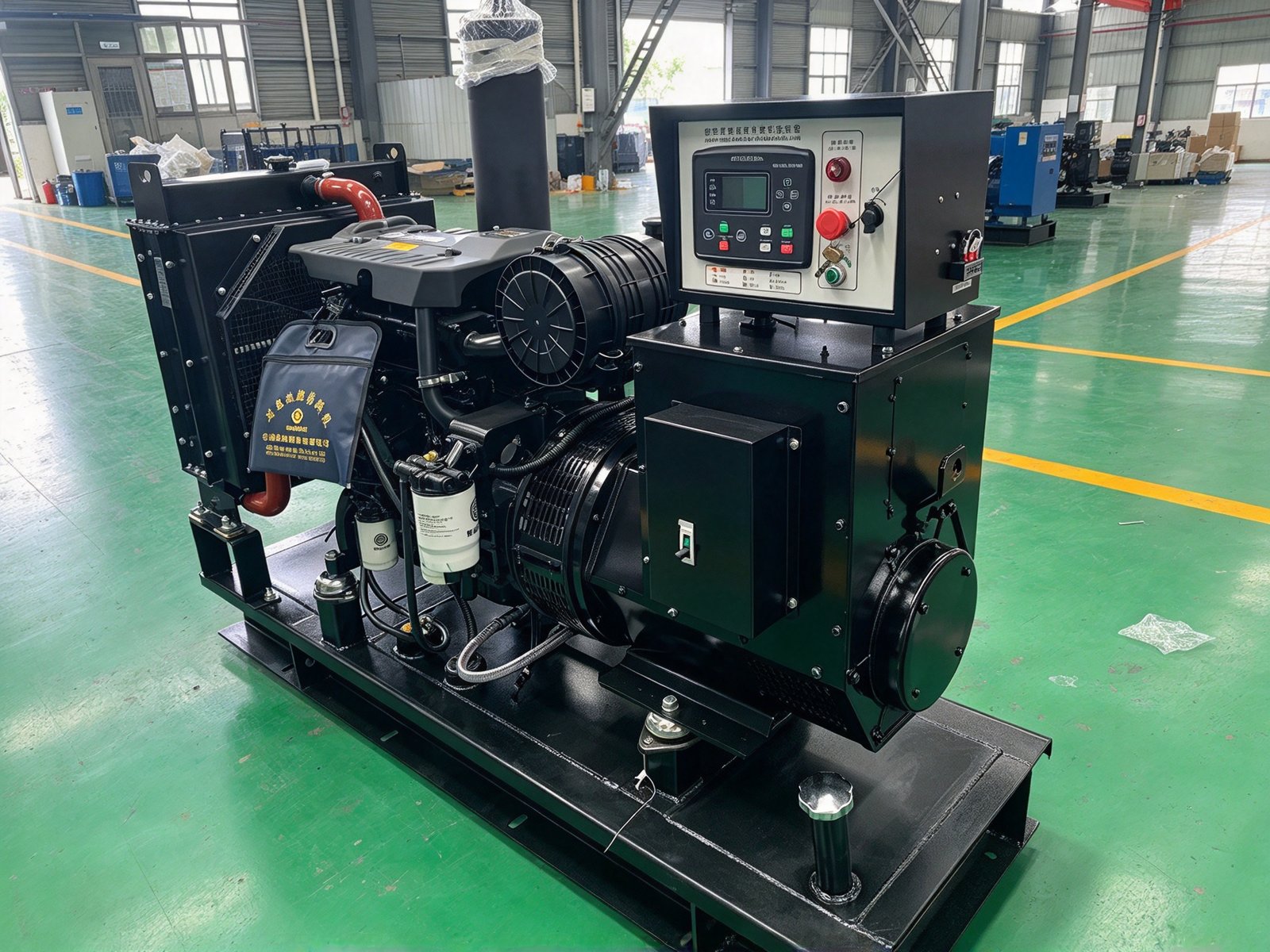
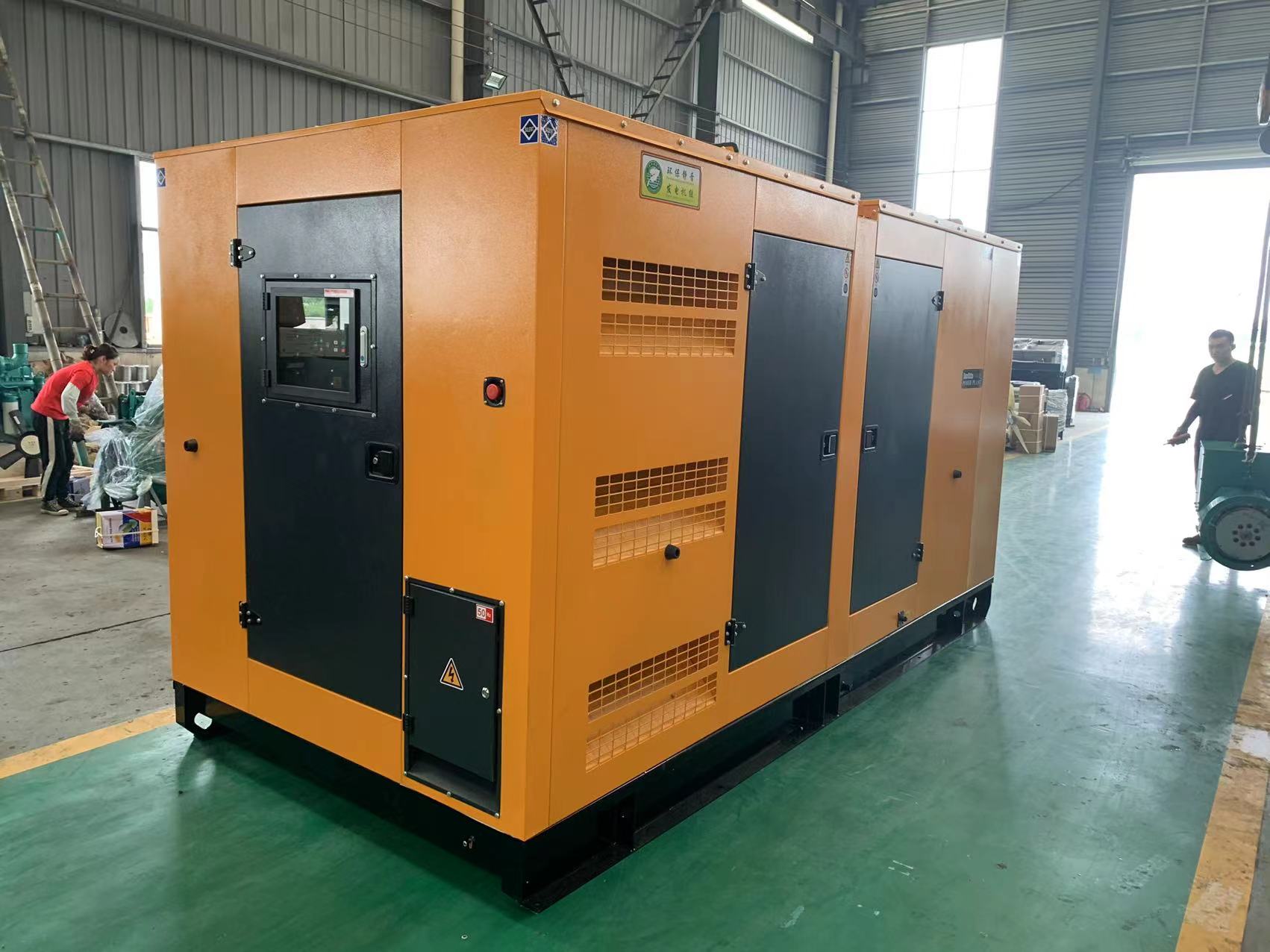
Illustrative generator photo; exact enclosure, frequency and configuration may differ from the model discussed.
How to size a generator for a project
A defensible selection begins with the loads the generator is expected to serve, rather than with the largest rating available. For a commercial facility, industrial site, construction project or other EPC scope, build a load schedule and identify which loads must operate together. Include equipment that may start or change load during operation, and ask the project’s electrical engineer to assess its effect on the required generator capacity.
Then compare the calculated requirement with the prime power and standby power figures shown for each candidate. These are separate ratings, so identify which rating the project requires and ask the supplier to confirm the applicable operating conditions and limits. Do not select a model simply because its standby number exceeds the estimated load. The supplied product details do not explain operating-hour limits or other rating conditions, so obtain those in the quotation or technical submittal.
Allow the procurement review to test the selected capacity against the full load schedule, including any planned load additions. If the schedule, load profile or intended use is not final, state that clearly in the inquiry and request a recommendation based on the documented assumptions. This gives the supplier a defined basis for responding rather than leaving the rating decision to a headline power figure.
Confirm frequency and voltage before comparing quotations
All eight examples above are listed as 50 Hz models, but their voltage data is not identical. Most list 400/230 V; the KC-P160 lists 230/400 V, and the KC-YC3000 lists 380/220 V. The figures should be checked against the project’s actual design and equipment requirements, not treated as interchangeable without confirmation.
For a Philippines project, provide the supplier with the required frequency, voltage, phase arrangement and connection details from the project documents. Ask the supplier to confirm the offered unit’s output and whether any additional configuration is required. The facts provided here do not establish suitability for a particular Philippine site, local project specification or approval process. Likewise, do not assume that a listed 50 Hz model is suitable if the project calls for a different frequency; request a written match to the specified system.
Check emissions and project scope early
The listed emission classifications vary. Several models are marked China Stage II, while the KC-C650, KC-S1118 and KC-YC3000 are marked China Stage III. The KC-P160 has no emission classification shown in the supplied specifications. These labels are product data, not confirmation of compliance with a buyer’s project, permitting or import requirements in the Philippines. Send the applicable tender or project requirements and request documentation for the exact model under consideration.
Also define the equipment scope in the request for quotation. The available facts do not specify whether a particular offer includes a canopy, fuel tank, automatic transfer switch, control-system options, installation, commissioning or other project services. If any of these are needed, list them as required or optional line items and ask the supplier to confirm what is included. Confirm dimensions, access routes and site installation constraints against the exact proposed configuration; dimensions are not provided here for every model.
Technical details to request with the quotation
A useful commercial and technical submission should let your team compare like with like. In addition to the prime and standby kW ratings, ask the supplier to state the exact model, engine and alternator models, output frequency and voltage, connection arrangement, emission documentation and the basis for its capacity recommendation. Request a model-specific data sheet and any drawings required for your engineering review.
The supplied product specifications list AVR voltage regulation and brushless alternators for the examples above. Some models also provide rated output current, dimensions, weight, fuel consumption, noise and protection-class data. These details vary by model and should be checked on the selected unit’s data sheet rather than assumed to be identical across the range. For example, the listed output current is 36 A for the KC-DC20G, 116 A for the KC-W64Y88 and 508 A for the KCV-282GF. Treat any value as specific to its listed model and verify it against the final offered configuration. (P1, P2, P4)
For a Philippines procurement process, make the inquiry actionable: share the project location, required capacity and rating basis, electrical requirements, intended application, site constraints, relevant emissions criteria and requested supply scope. Ask the supplier to identify any information still needed to firm up the proposal. Do not rely on assumptions about shipping, local service coverage, lead time, warranty or price unless those points are expressly confirmed in the supplier’s response; they are not stated in the product facts provided here.
Request a model-matched proposal
Use the model range as a starting point, then shortlist only the options that fit the project’s documented requirements. A 20 kW set and a 3,000 kW set represent very different project scales, while intermediate examples provide additional rating steps. Final selection still depends on the load assessment, required duty rating, electrical compatibility and project scope—not just the nearest listed kW number.
To request a proposal, send your load schedule or estimated load, prime or standby requirement, required frequency and voltage, connection details, emissions criteria and site constraints. Include any requested enclosure, transfer, installation or commissioning scope and ask for confirmation against the exact model. This allows your procurement and engineering teams to review a specific, comparable offer and identify outstanding technical or commercial questions before placing an order.
FAQ
What should I check if a diesel generator produces black smoke?
Black smoke indicates incomplete combustion. Possible causes include a clogged air filter restricting intake, excessive fuel injection, poor injector atomization, a sudden excessive load or poor diesel quality. Check and clean the air filter, use suitable diesel, inspect the fuel injection system and avoid prolonged overloading. (F1)
What should I check if a generator stops and will not restart?
First review the controller’s fault history. If overspeed, high-temperature or low-oil-pressure protection has activated, reset the protection manually after addressing the cause. If there is no fault code, check the battery and fuel system. (F2)
How often should a generator receive routine maintenance?
The stated schedule is an initial service at 50 hours, including oil, oil-filter and fuel-filter changes. Routine maintenance is listed every 200–250 hours and includes changing oil and the three filters, checking the belt, coolant, battery, piping and fasteners, and cleaning the air filter and radiator. A full-unit inspection is listed annually. Confirm the schedule for the specific model and operating conditions. (F4)
Stay Updated with Our News
Subscribe to our newsletter for the latest industry insights and product updates.