
Diesel Generator Manufacturer Malaysia: Buyer Guide
Diesel Generator Manufacturer Malaysia: Buyer Guide
When comparing a diesel generator manufacturer Malaysia buyers may consider for a factory or data centre, evaluate the complete proposed package—not just the engine badge or a quoted rating. Compare Cummins, Caterpillar, Mitsubishi, Generac and Chinese factory-built options against the same project requirements: engine identity, duty rating, electrical output, controls, transfer or paralleling scope, enclosure, documentation, warranty and delivery commitments. Ask each supplier to identify what is included and what must be sourced or installed separately.
A supplier comparison should help procurement, engineering and project teams verify fit before purchase. The identification examples below record particular diesel genset and engine pairings; they are not a statement of capacity, project suitability or availability. Request those details for the specific offer rather than inferring them from a model code.
Compare a diesel generator manufacturer in Malaysia by package and evidence
Brand names can be useful starting points, but they do not answer whether a quoted set meets a site’s operating requirements. Put every shortlisted supplier through the same review. For Cummins, Caterpillar, Mitsubishi, Generac or a Chinese factory-built genset, request the exact proposed engine and genset model, a complete technical schedule, and clear responsibility for the supplied and integrated components.
The specific source documents reviewed record these diesel genset and engine pairings:
KC-DC20G — 4B3.9-G1 engine.
KC-DC200 — 6LTAA8.9-G2 engine.
KC-K560 — PTAA10V-EG690 engine.
KC-YC3000 — YC16VC4900-D30 engine.
These are source-document identification examples, not a capacity-range or availability statement. The same genset model label appears with different engine variants in other records; verify the exact datasheet, engine suffix and quoted configuration. No output, duty rating, voltage, frequency, enclosure, ATS, paralleling or trailer capability should be inferred from a model code.
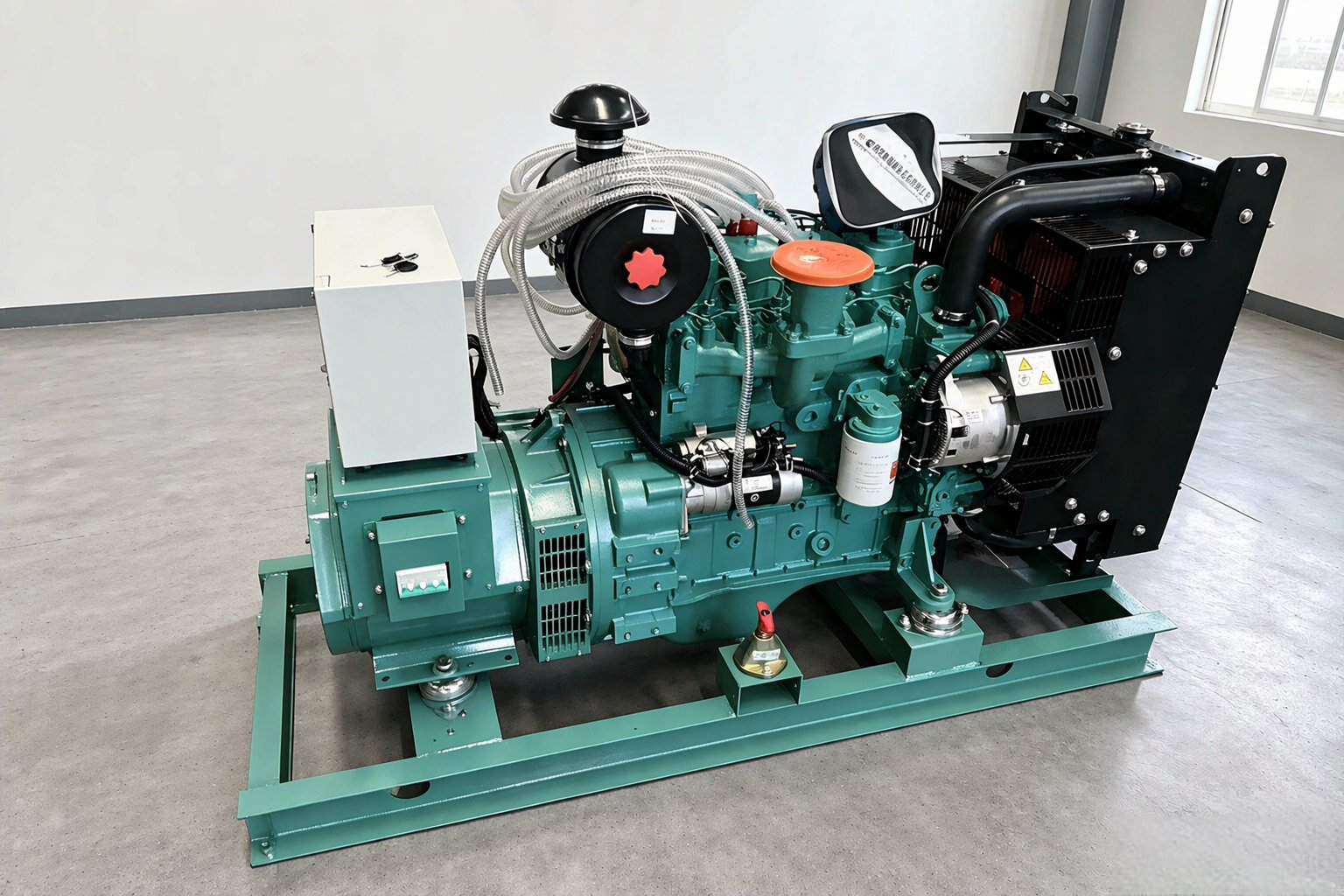
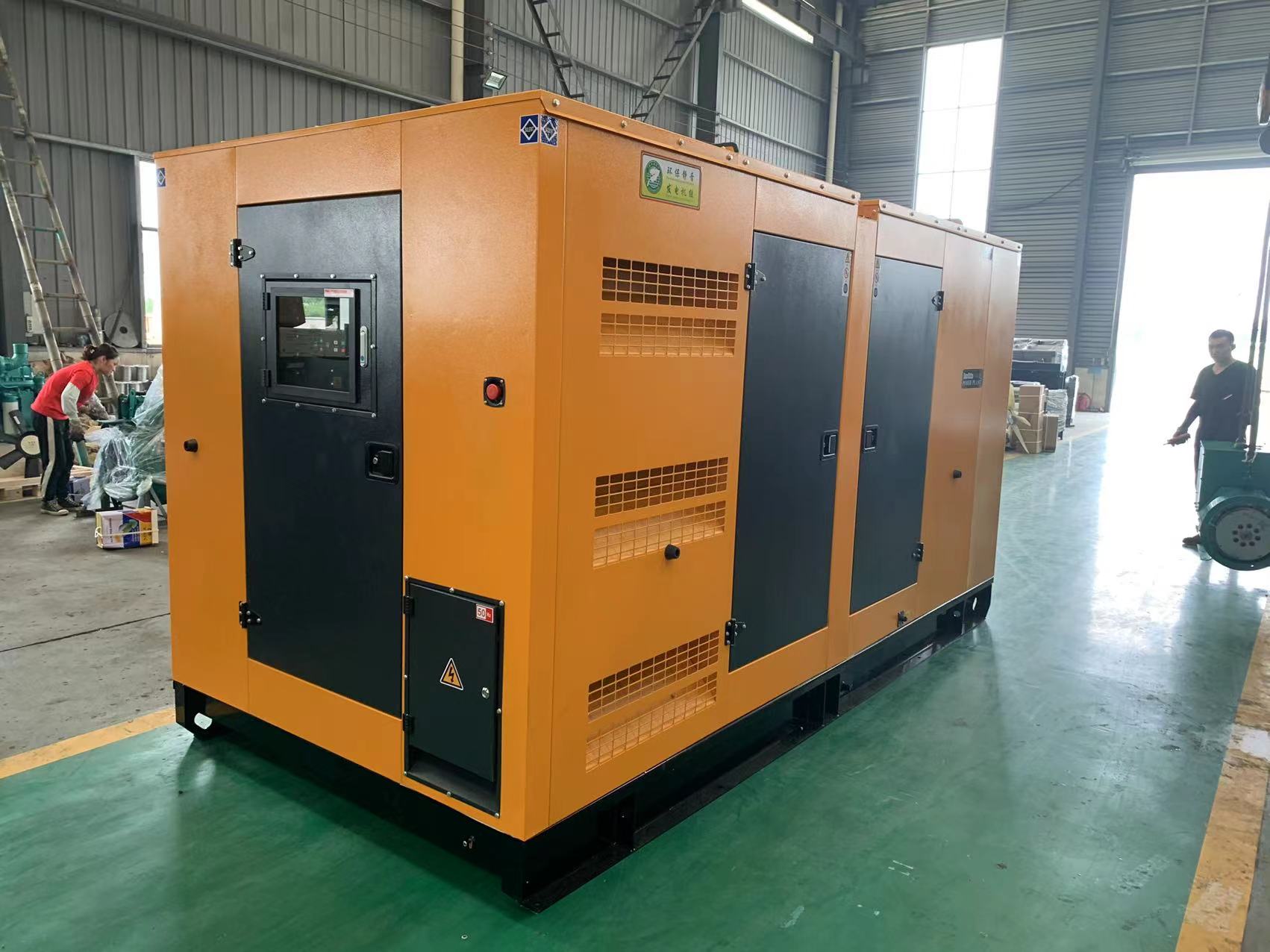
Photograph provided for illustration only. It does not verify the complete genset model, output rating, offered configuration or tender capacity range; confirm the quoted unit against its datasheet and nameplate.
Size the set from the facility load
Give suppliers a load schedule rather than asking them to select equipment from a facility label or an assumed capacity. Include the loads that need to operate during an outage, how they start, which loads are essential, and whether loads may start or run together. Identify large motors and other equipment with notable starting demand. For a data centre, define the loads and operating sequence the backup design is expected to support; do not assume that a generic rating or model name demonstrates suitability.
Ask each bidder to show how its proposed rating relates to the stated load and starting requirements, and to identify assumptions or exclusions. Review whether the same load basis has been used across bids. If the load schedule, expansion allowance or operating sequence is incomplete, treat the proposed rating as provisional until the engineering team confirms it.
Specify prime or standby duty clearly
State whether the project requires prime-power or standby operation and explain the expected operating pattern. Ask suppliers to identify the duty rating being offered and provide the supporting technical documentation. Do not treat prime and standby ratings as interchangeable or accept an unlabeled rating as sufficient. Confirm the intended duty basis in the quotation, technical submittal and purchase documents so the comparison remains consistent.
Confirm frequency, voltage and connections
Provide the project’s required frequency, voltage, phase arrangement, connection details and any interface requirements from the electrical design. Ask suppliers to confirm the offered output in writing and identify any custom-voltage configuration requested. Do not rely on regional assumptions or a model code to establish electrical compatibility. Have the project engineer check the proposed alternator and control configuration against the site design before order placement.
Clarify ATS, controls and paralleling scope
Ask whether an automatic transfer switch (ATS) is included as physical switchgear, offered separately, or addressed only through controller functions. Request a scope statement identifying the equipment, controls, wiring and integration work included, along with the party responsible for installation and commissioning.
If the project needs generators to operate in parallel, ask what equipment and engineering are included for that specific arrangement. Confirm whether synchronising controls, switchgear, protection, load sharing, communications and integration are part of the supplier’s offer or by others. Do not treat a controller’s listed functions as proof that the complete ATS or paralleling system is included. Request drawings and a written responsibility split for the proposed system.
Check enclosure, site and transport documentation
Describe the installation location and ask the supplier to document the offered enclosure configuration. If acoustic performance matters, request the applicable noise documentation and its stated test or measurement conditions; do not accept an unsupported noise description as a performance commitment. Confirm access, ventilation, exhaust routing, maintenance clearances and site interfaces with the project team.
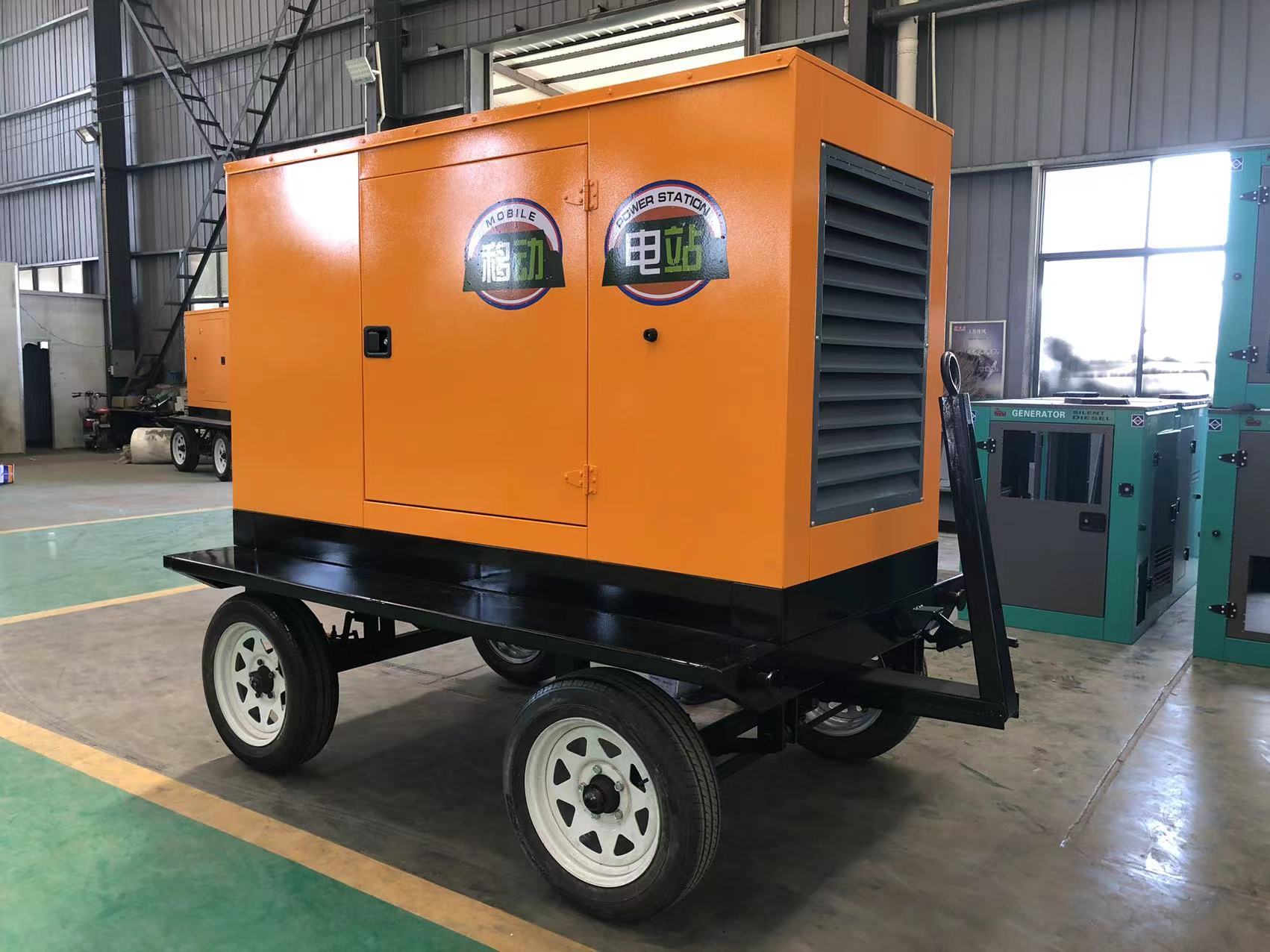
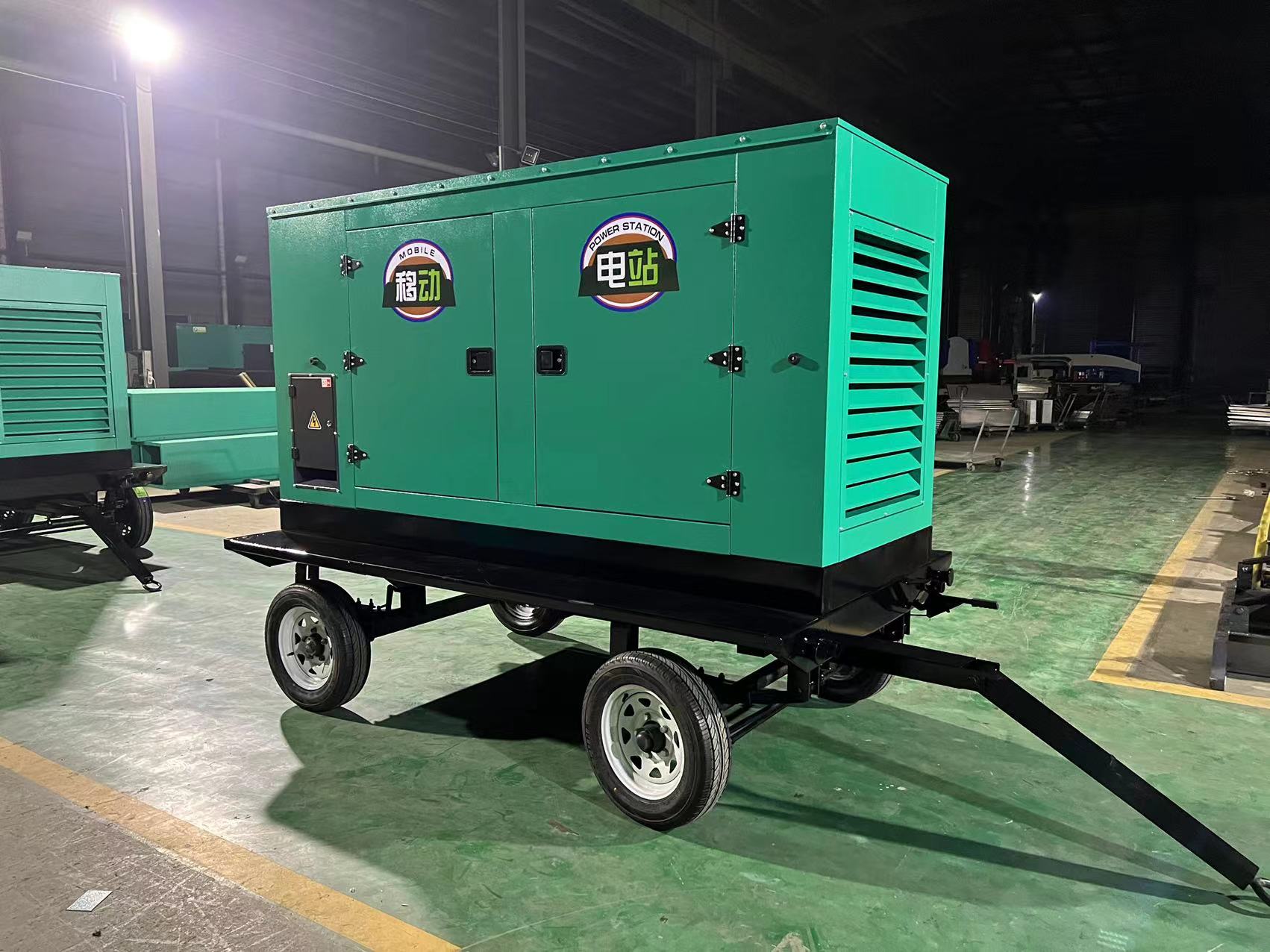
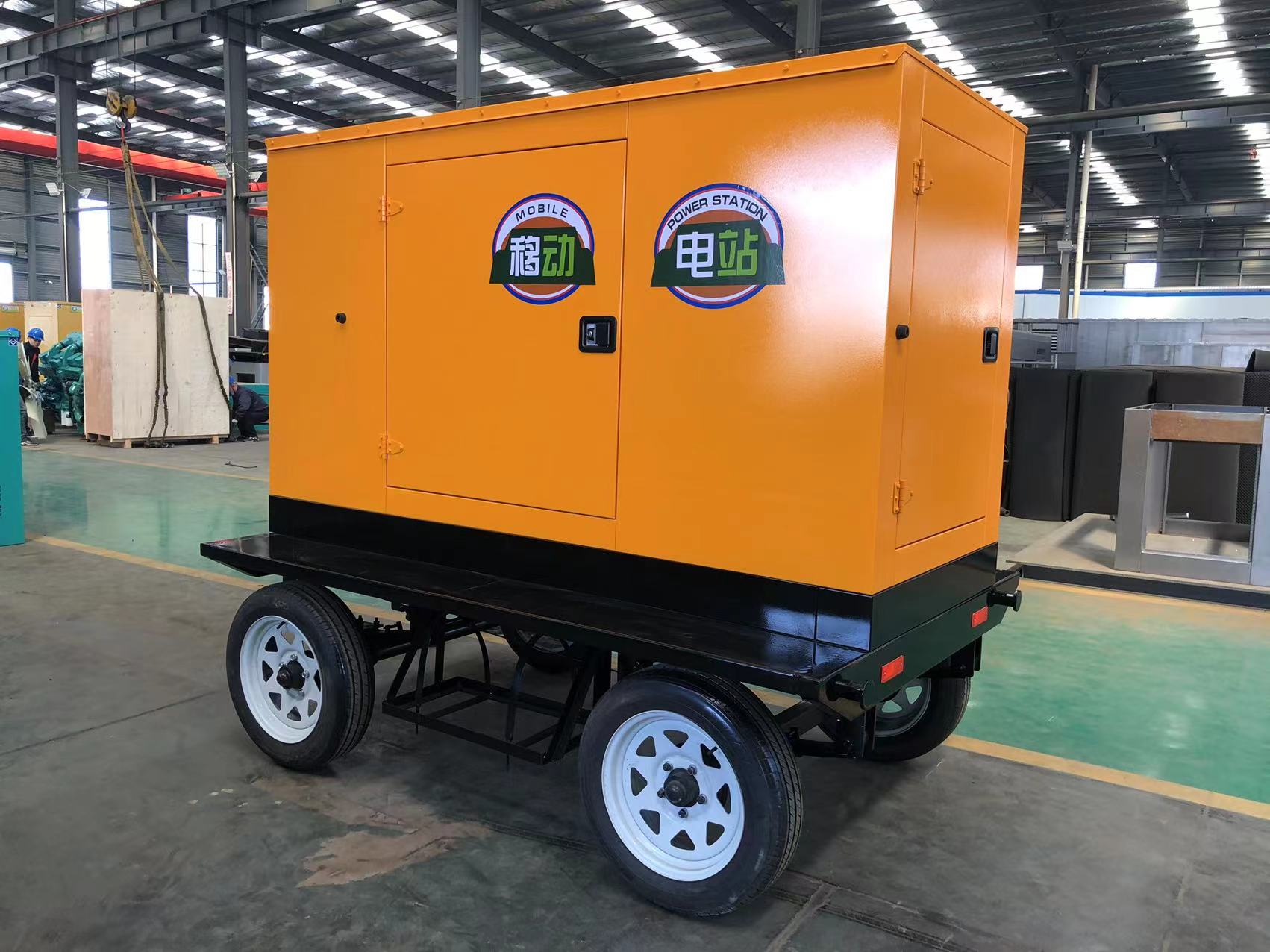
For mobile or trailer-mounted requirements, ask for the trailer configuration, transport limits and supporting documentation. Do not assume a stationary package can be transported as quoted or infer trailer limits from a model number. Confirm who is responsible for transport-related design, approvals and site connection requirements before comparing proposals.
Prepare an RFQ and verify commercial commitments
A useful RFQ gives every bidder the same basis for a comparable response. Include the load schedule, required duty, frequency and voltage, installation context, transfer or paralleling requirements, enclosure needs, documentation expectations and delivery location. Request deviations and exclusions in a separate, explicit list.
Ask each supplier to provide written warranty terms, including coverage, conditions and responsible party, rather than relying on a verbal summary. Request a quoted delivery schedule and clarify what event starts the schedule and which party is accountable for updates. Also identify the named party responsible for technical support and service in Malaysia, the scope it undertakes, and any limits or subcontracted responsibilities. These items need project-specific confirmation; they should not be assumed from engine brand, factory location or sales channel.
Before award, compare the technical schedules line by line, resolve open points, and record agreed scope in the purchase documents. For a factory or data-centre project, this makes the decision traceable across procurement, electrical engineering and installation teams—and helps distinguish a complete, documented proposal from one that leaves important interfaces unresolved.
To request a project-specific proposal, send the load schedule, duty requirement, electrical output needs, ATS or paralleling scope, enclosure and transport requirements, installation location, and requested delivery terms. Ask the supplier to identify the exact engine and genset models, state all assumptions, and return warranty, service-responsibility and delivery commitments in writing.
Stay Updated with Our News
Subscribe to our newsletter for the latest industry insights and product updates.