
Diesel Generator Manufacturer Philippines | Buyer Guide
Diesel Generator Manufacturer Philippines | Buyer Guide
If you are searching for a diesel generator manufacturer in the Philippines, start by matching the genset’s prime or standby rating, frequency and voltage to your project specification. The product data reviewed here lists diesel generator sets from 20 kW to 3,000 kW prime power, with 50 Hz ratings and several voltage configurations. These details are a starting point for supplier evaluation—not confirmation that a particular model meets your site’s requirements. Ask for written confirmation of the required electrical configuration, applicable approvals and commercial terms before shortlisting or ordering.
For procurement managers, distributors, EPC contractors and facility engineers, the key is to compare the declared rating with the actual load profile and installation conditions. A model name or headline kW figure alone does not establish suitability. The following guide outlines the listed options and the questions to resolve before requesting a quotation for a Philippine project.
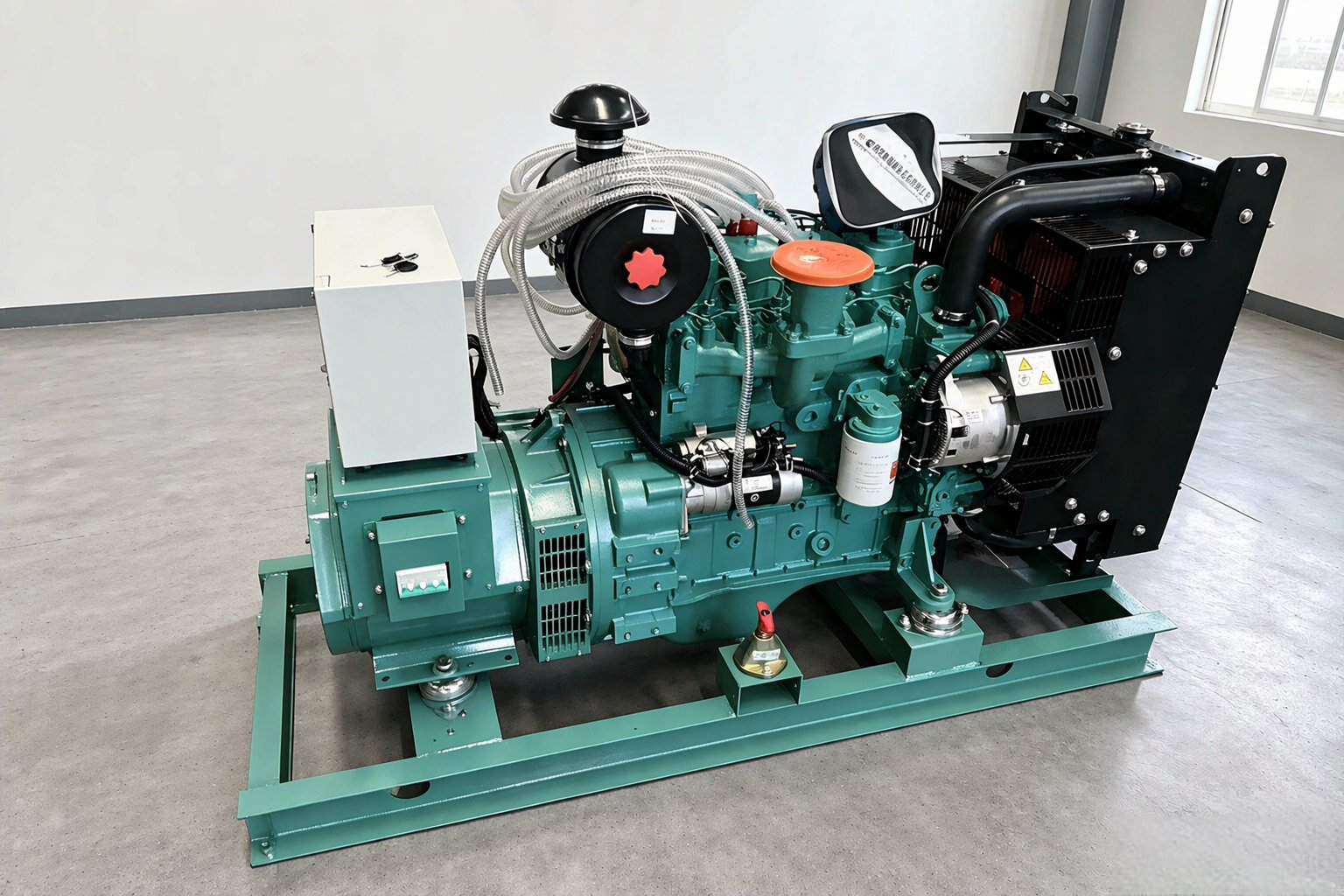
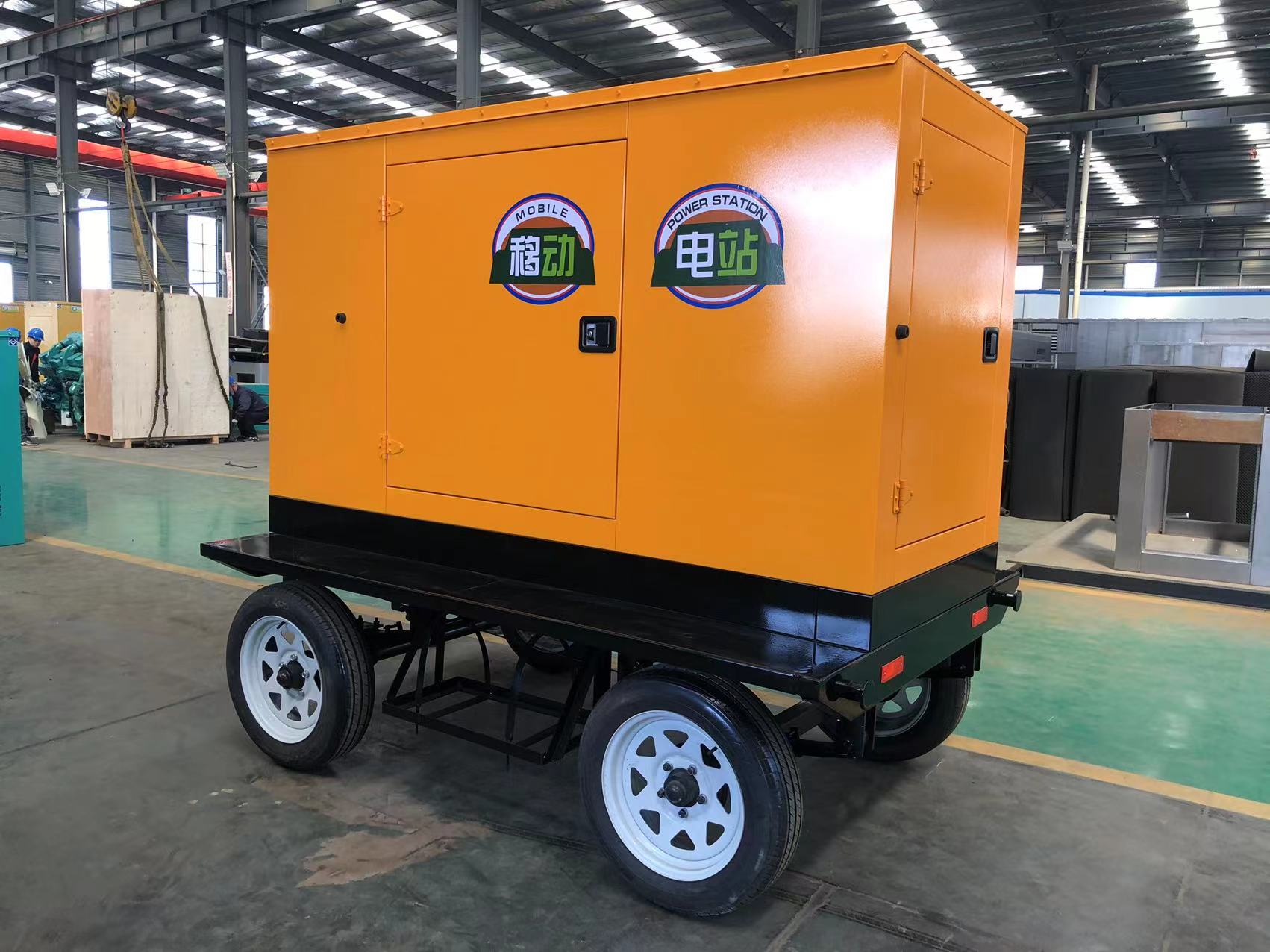
Illustrative generator photo; exact enclosure, frequency and configuration may differ from the model discussed.
Diesel generator manufacturer Philippines: listed model range
The available product specifications cover small, medium and large diesel gensets. All eight examples below are listed at 50 Hz. Prime and standby figures are shown separately as stated in the product data; they should not be treated as interchangeable ratings.
- KC-DC20G: 20 kW prime, 22 kW standby; 400/230 V; 4B3.9-G1 diesel engine; KCI-20 alternator.
- KC-W64Y88: 64 kW prime, 70 kW standby; 400/230 V; WP4.1D80E200 diesel engine; KCI-64 alternator.
- KC-P160: 160 kW prime, 176 kW standby; 230/400 V; 1106A-70TAG4 diesel engine; KCI-160 alternator.
- KCV-282GF: 282 kW prime, 310 kW standby; 400/230 V; TAD1342GE-B diesel engine; KCI-282 alternator.
- KC-450: 450 kW prime, 500 kW standby; 400/230 V; KCV550 diesel engine; KCI-450 alternator.
- KC-C650: 650 kW prime, 700 kW standby; 400/230 V; KTA38-G2E diesel engine; KCI-650 alternator.
- KC-S1118: 1,118 kW prime, 1,229.8 kW standby; 400/230 V; 6WTAA35-G313 diesel engine; KCI-1118 alternator.
- KC-YC3000: 3,000 kW prime, 3,300 kW standby; 380/220 V; YC16VC4900-D30 diesel engine; KCI-3000 alternator.
The voltage notation varies across models, including 400/230 V, 230/400 V and 380/220 V. Confirm the required phase arrangement, line and phase voltage, and connection details with the project electrical designer and supplier. Do not assume that a model with a similar kW rating will match your distribution system without review.
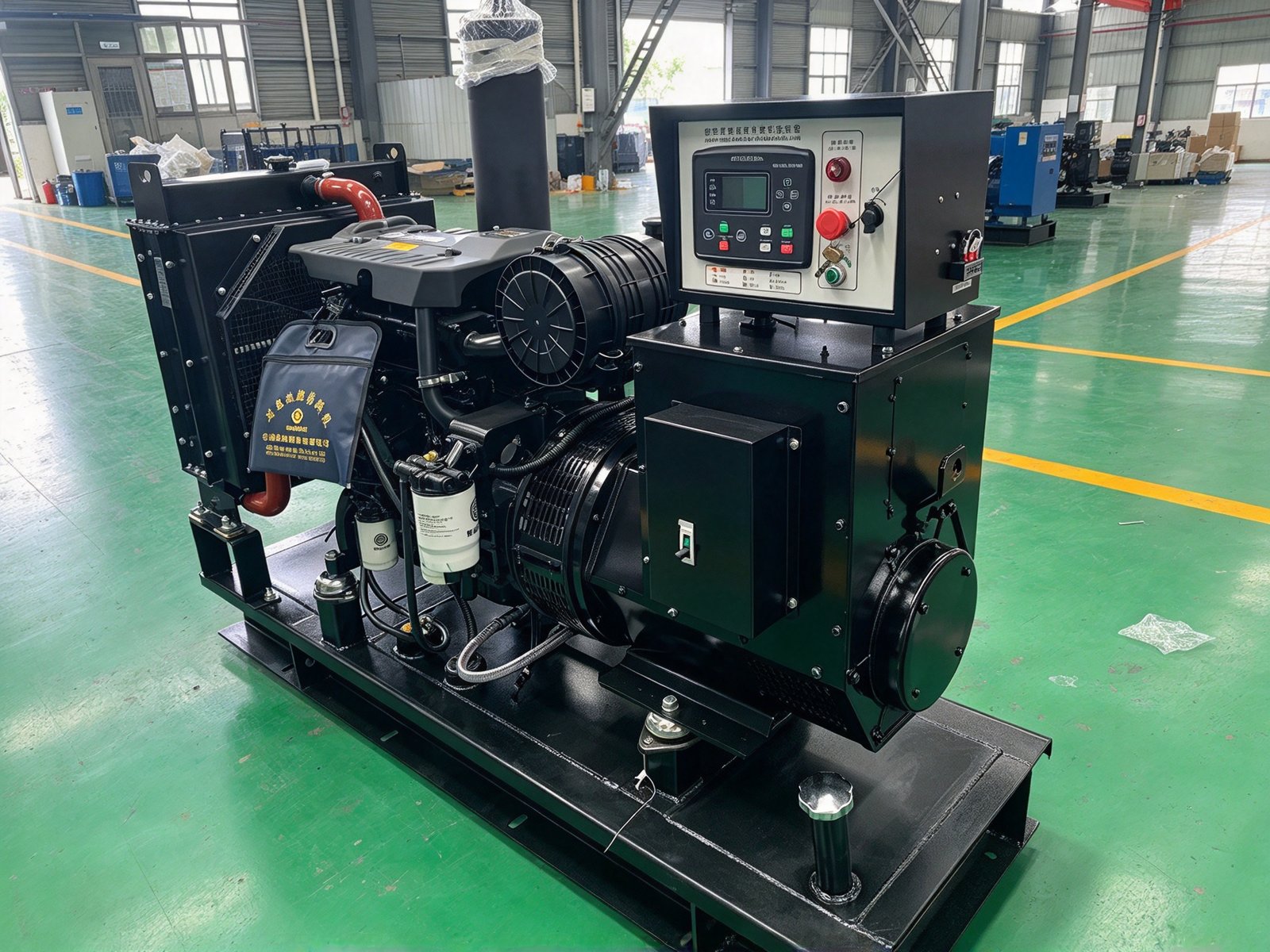
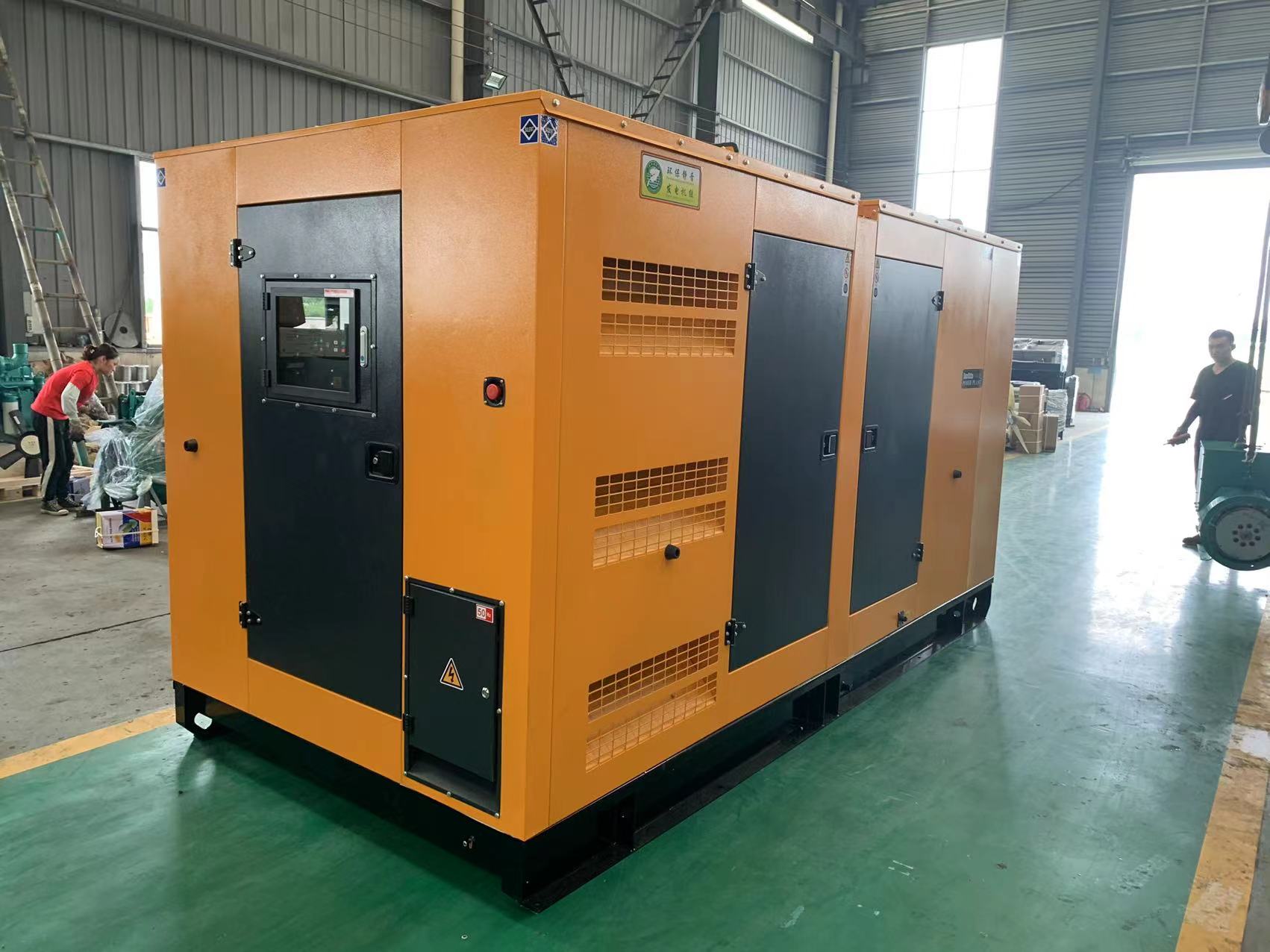
Illustrative generator photo; exact enclosure, frequency and configuration may differ from the model discussed.
Size the genset against the real load
Before comparing offers, assemble a load schedule. Include the equipment intended to run from the generator, its operating load, which loads operate simultaneously and any starting or transient requirements identified by the equipment manufacturers. For motors and other loads with significant starting demand, provide the starting method and required starting performance to the supplier. These details help the supplier assess a configuration; the product summaries here do not provide project-specific load calculations.
Consider the following steps during preliminary selection:
- Separate essential loads from loads that can be shed during an outage.
- Identify the expected operating sequence, including which loads start together and which start in stages.
- Check whether the generator must support routine operation, outage cover or both, and state the expected duty clearly.
- Compare the load requirement with the prime power rating when the project calls for that rating basis. Treat standby power as a separate declared rating and ask the supplier to confirm the permitted application and operating conditions for each rating.
- Allow the electrical designer to review load growth and starting demand rather than selecting a unit only from the sum of equipment nameplates.
This process can help narrow a shortlist, but it does not replace an engineering review. Ask for the supplier’s recommended selection to be tied to your load schedule and site conditions, not just to a broad description such as “factory” or “commercial building.”
Confirm frequency and voltage before comparing quotations
Frequency is a key screening item for a generator purchase. The listed models in this guide are 50 Hz products. If your project specification calls for another frequency, request written confirmation of an appropriate model and its complete rating; do not assume a 50 Hz listing is suitable for a different requirement.
Voltage also needs explicit review. The specifications include models listed at 400/230 V, 230/400 V and 380/220 V, with three-phase, four-wire, Y connection stated on the product data. Confirm the project’s required voltage, frequency, phase and connection arrangement with the responsible electrical engineer. Buyers should also ask whether the selected model can be configured as required and request a formal technical datasheet for the proposed configuration.
Some listed units specify an AVR (automatic voltage regulator), brushless three-phase AC synchronous alternator, IP23 protection class and H-class insulation. These are model-specific details, not a blanket statement that every product has identical components. Check the individual model documentation and confirm whether the stated protection class is appropriate for the intended installation. The product data does not establish an enclosure type or outdoor suitability.
Match capacity bands to the project scope
Use rated capacity to organise an initial comparison, not to infer an application guarantee. A 20 kW or 64 kW unit may be relevant to a smaller load schedule; 160 kW to 650 kW models create a broader mid-capacity shortlist; and the 1,118 kW and 3,000 kW options are larger-capacity examples. Actual fit depends on the project’s electrical and operating requirements.
The case records provide limited, anonymous examples from factory and logistics settings: one records a 600 kW generator set, another a 600 kW Yuchai generator set, and a third a 250 kW generator set. Customer identities and locations are not disclosed. These records demonstrate only that equipment at those stated capacities appears in the case material; they do not establish performance, operating results or suitability for another facility.
For EPC and facility projects, define whether one unit or multiple units are being considered, and confirm the intended operating arrangement with the supplier and project engineer. The available product data does not confirm paralleling capability, load-sharing controls or a particular backup architecture, so these should be specified and verified rather than assumed.
Compare technical and site information model by model
A useful quotation comparison should align the same scope and rating basis across suppliers. In addition to prime and standby power, request the engine and alternator models, rated voltage and frequency, connection details, dimensions, weight, fuel consumption basis, control and protection information, and the proposed physical configuration. Where a specification is not included in the product data, ask for the value in the formal offer instead of filling the gap with an assumption.
Several listed products state 1500 rpm, electric starting, a self-excited alternator and AVR voltage regulation. Cooling is described as a closed water-circulation system with forced-air cooling. These details are not a substitute for checking the full datasheet: some other items vary by model, and not every installation requirement is covered by the summary. For example, review the available footprint and access route against the actual proposed unit dimensions, and confirm the final arrangement before site preparation.
Emission information also requires careful review. Some product records identify China Stage II or China Stage III emission classifications; other listed products do not show an emission classification. These labels should not be treated as evidence of compliance with Philippine project requirements. Ask the supplier to provide the relevant documentation for the exact model and confirm acceptance with the appropriate project stakeholders.
Prepare a clear Philippine project inquiry
A detailed request helps a manufacturer or distributor respond against a defined scope. Include the location and project type for quotation purposes, the required prime and standby rating basis, frequency, voltage, phase and connection, load schedule, expected duty, installation environment and target configuration. State whether the request is for a new project, replacement unit or distribution stock, and identify any required documents or acceptance criteria.
Ask the supplier to confirm in writing:
- The proposed model and complete technical datasheet for the stated electrical configuration.
- Whether the quoted rating is prime power, standby power or both, and the relevant operating assumptions.
- Dimensions, weight, fuel consumption basis, enclosure or installation configuration and included equipment.
- Applicable emissions documentation and other project-required certificates, if any.
- Price, quotation validity, delivery terms, lead time, warranty terms, installation scope and available service or parts support for the destination.
The product information available here does not provide these commercial, regulatory, logistics or local-support details. They should be treated as open procurement questions, not presumed inclusions.
To request a project-specific proposal, send the load schedule and electrical requirements together with the preferred rating basis, installation details and any tender requirements. Ask for a model-by-model offer that clearly identifies confirmed specifications and any items that remain subject to review. This gives your team a practical basis to compare options without assuming that a listed rating alone settles the selection.
FAQ
What is listed for 50 Hz diesel generator models?
The listed models are rated at 50 Hz. Their stated voltage configurations include 400/230 V, 230/400 V and 380/220 V. Confirm the required frequency and voltage for the specific project and proposed model.
What should I check if a generator set shuts down and will not restart?
Check the controller’s historical fault codes first. If overspeed, high-temperature or low-oil-pressure protection has activated, the protection may need manual reset. If there is no fault code, check the battery and fuel system.
What maintenance intervals and tasks are specified?
The maintenance guidance specifies an initial service at 50 hours, including changing the oil, oil filter and fuel filter. Routine service is stated as every 200–250 hours and includes changing oil and filters, checking the belt, coolant, battery, piping and fasteners, and cleaning the air filter and radiator. It also calls for a comprehensive annual inspection.
What checks are suggested for a high-temperature alarm or shutdown?
Check coolant level, radiator blockage, fan speed, thermostat and water-pump condition. The guidance also recommends cleaning the radiator cooling system and addressing blockages or restricted water circulation.
What can cause black smoke from a generator set?
The troubleshooting guidance identifies incomplete combustion as the cause. Possible reasons include a clogged air filter restricting intake, excessive fuel injection, poor injector atomization, a sudden excessive load or poor-quality diesel. Suggested checks include cleaning the air filter, using better-quality diesel and inspecting the fuel-injection system.
Stay Updated with Our News
Subscribe to our newsletter for the latest industry insights and product updates.