
Diesel Generator Supplier Saudi Arabia: Buyer Guide
Diesel Generator Supplier Saudi Arabia: Buyer Guide
Choosing a diesel generator supplier in Saudi Arabia means comparing the complete proposed system, not simply an engine brand or a model label. For factory, data center and hospital projects, request clear documentation of rated output and duty, controls and transfer equipment, noise treatment, supply boundaries, warranty, delivery commitments and the party responsible for service. The identification examples below record particular diesel genset and engine pairings; confirm the exact quoted configuration and project suitability separately.
Diesel generator supplier Saudi Arabia: evaluate the complete proposal
Start with a project-specific specification and ask each bidder to respond against the same requirements. A useful comparison separates equipment facts from commercial commitments and assumptions. This is especially important when reviewing original-brand generator sets alongside sets proposed by another manufacturer using an engine from Cummins, Perkins, Weichai, Yuchai or another engine maker.
For each offer, identify who manufactures the complete set, who supplies the engine, and who is accountable for integration and after-sales obligations. A familiar engine name alone does not confirm the identity or scope of the complete-set manufacturer. Ask the bidder to itemize the engine, alternator, controller, cooling arrangement, enclosure or base, and supplied electrical equipment. Confirm which components are included, which are optional, and which are by others.
The specific source documents reviewed record these diesel genset and engine pairings:
KC-DC20G — 4B3.9-G1 engine.
KC-DC200 — 6LTAA8.9-G2 engine.
KC-K560 — PTAA10V-EG690 engine.
KC-YC3000 — YC16VC4900-D30 engine.
These are source-document identification examples, not a capacity-range or availability statement. The same genset model label appears with different engine variants in other records; verify the exact datasheet, engine suffix and quoted configuration. No output, duty rating, voltage, frequency, enclosure, ATS, paralleling or trailer capability should be inferred from a model code.
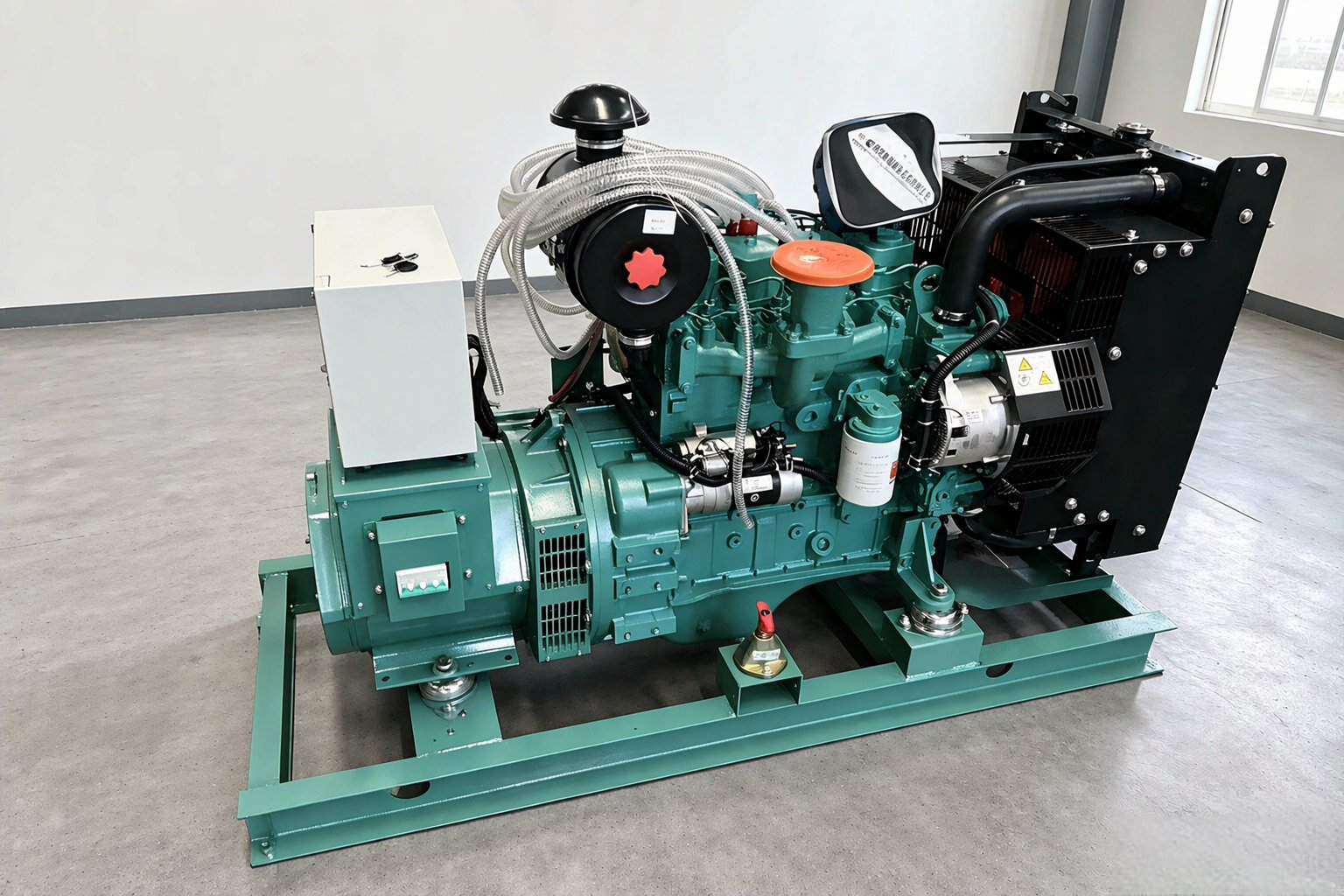
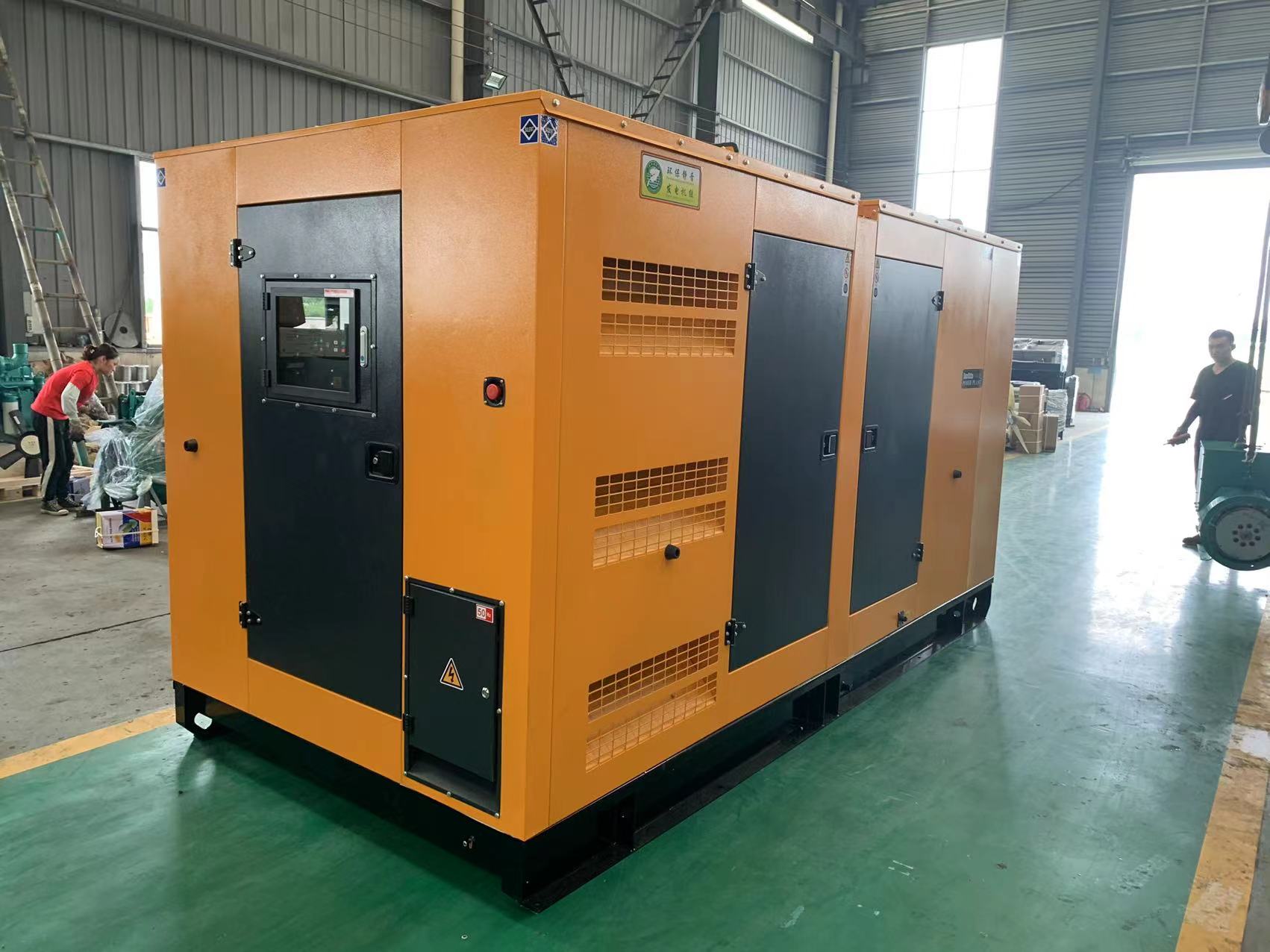
Photograph provided for illustration only. It does not verify the complete genset model, output rating, offered configuration or tender capacity range; confirm the quoted unit against its datasheet and nameplate.
Compare engines, ratings, ATS, paralleling and enclosure scope
When comparing Cummins, Caterpillar, Mitsubishi, Generac and sets offered with Cummins, Perkins, Weichai or Yuchai engines, avoid assuming that a brand name settles the procurement decision. Compare the exact proposed model and the complete equipment package. Supplier claims and project requirements should be verified with written documents rather than inferred from a manufacturer name or model code.
Ask all bidders to state and document:
Duty and rating: Is the offered rating prime, standby, or another defined duty? Request the applicable rating basis, output data and operating limitations for the exact set. Do not compare differently defined ratings as if they were equivalent.
Load basis: Provide the expected continuous and intermittent loads, large motor or other starting loads, critical-load priorities, and the intended operating pattern. Ask the supplier to show how its selection addresses the stated load profile. Have the project team validate the sizing rather than relying only on a headline output figure.
Frequency and voltage: Specify the project’s required frequency, voltage, phase and operating conditions in the inquiry. Request written confirmation that the offered set and associated equipment match them. Confirm any site-specific electrical or acceptance requirements with the project’s responsible parties; do not assume they are covered by a standard quotation.
ATS scope: Establish whether an automatic transfer switch is included as physical switchgear, supplied separately, or not included. Distinguish transfer hardware from an automatic mains-failure function or controller feature. Request a component list and a control sequence showing how the proposed arrangement operates.
Paralleling: If multiple sets or connection to another source are part of the project, ask whether synchronization and load-sharing equipment, controls, switchgear, engineering and commissioning are included. Confirm the scope and interfaces in writing; a controller feature alone does not establish a complete paralleling system.
Noise and enclosure: For open, enclosed or other proposed configurations, ask for the enclosure construction and the noise test report or documented noise data for the quoted configuration. Verify the measurement conditions and any site-specific acoustic requirements rather than relying on a general “silent” description.
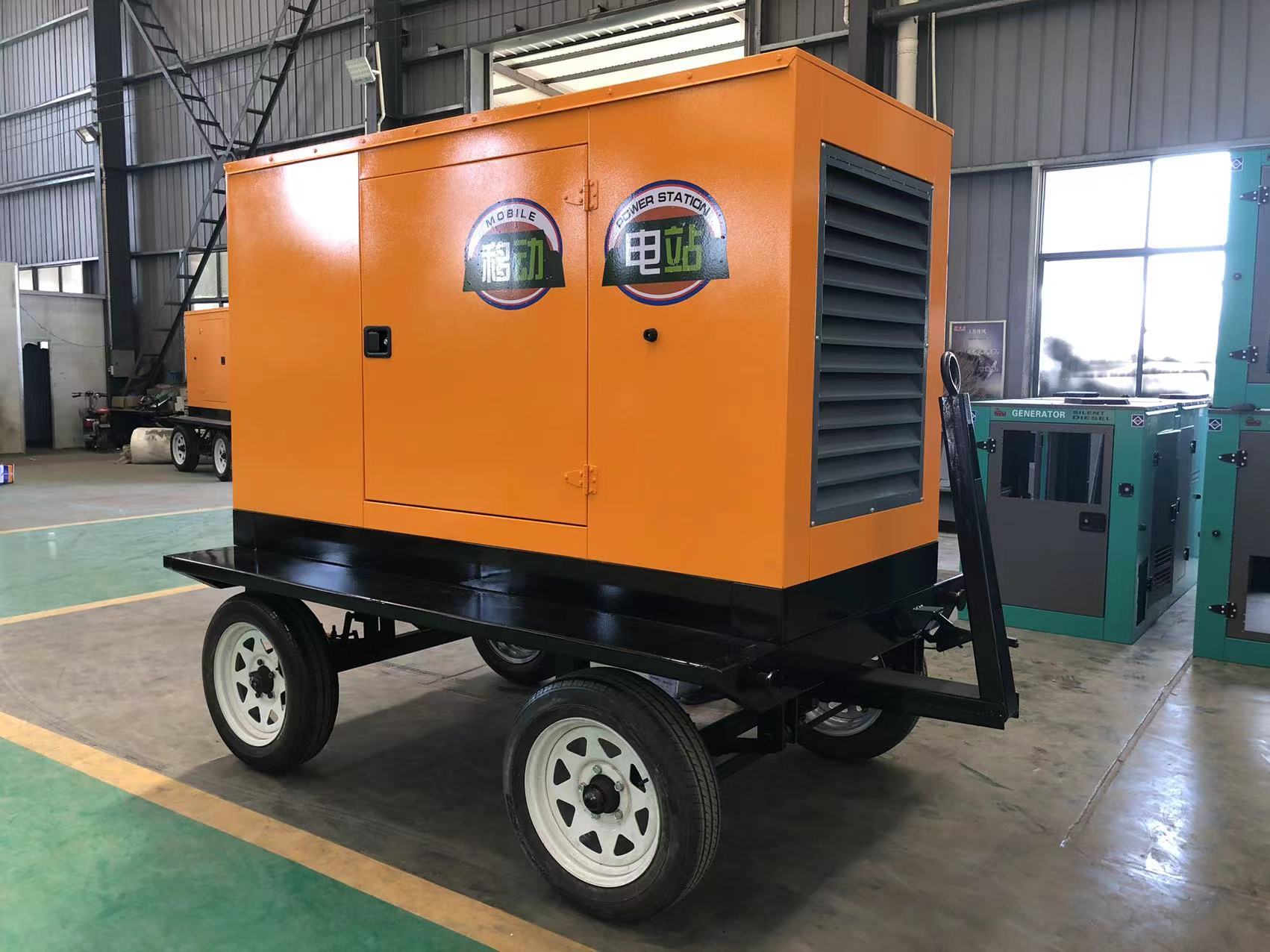
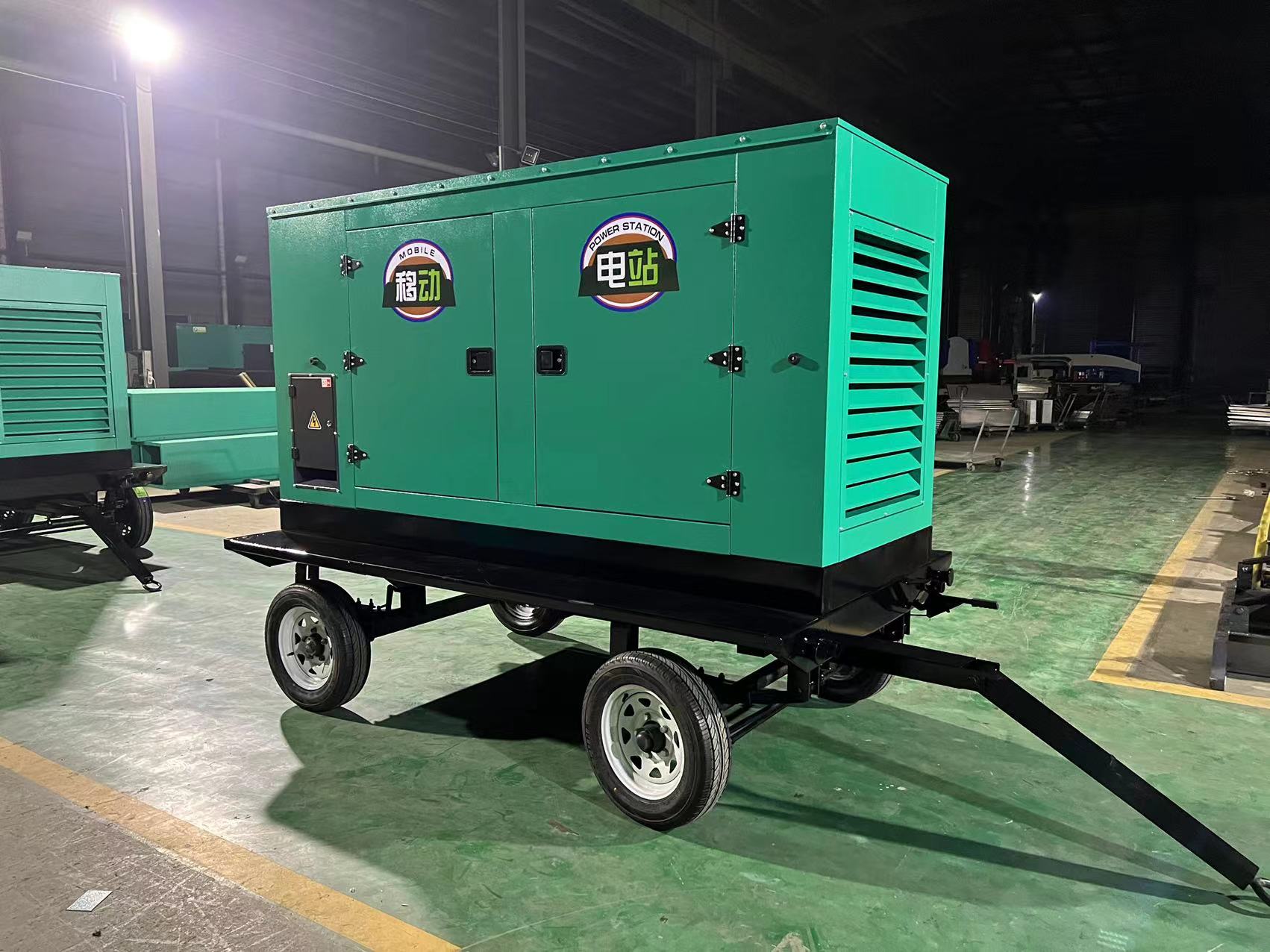
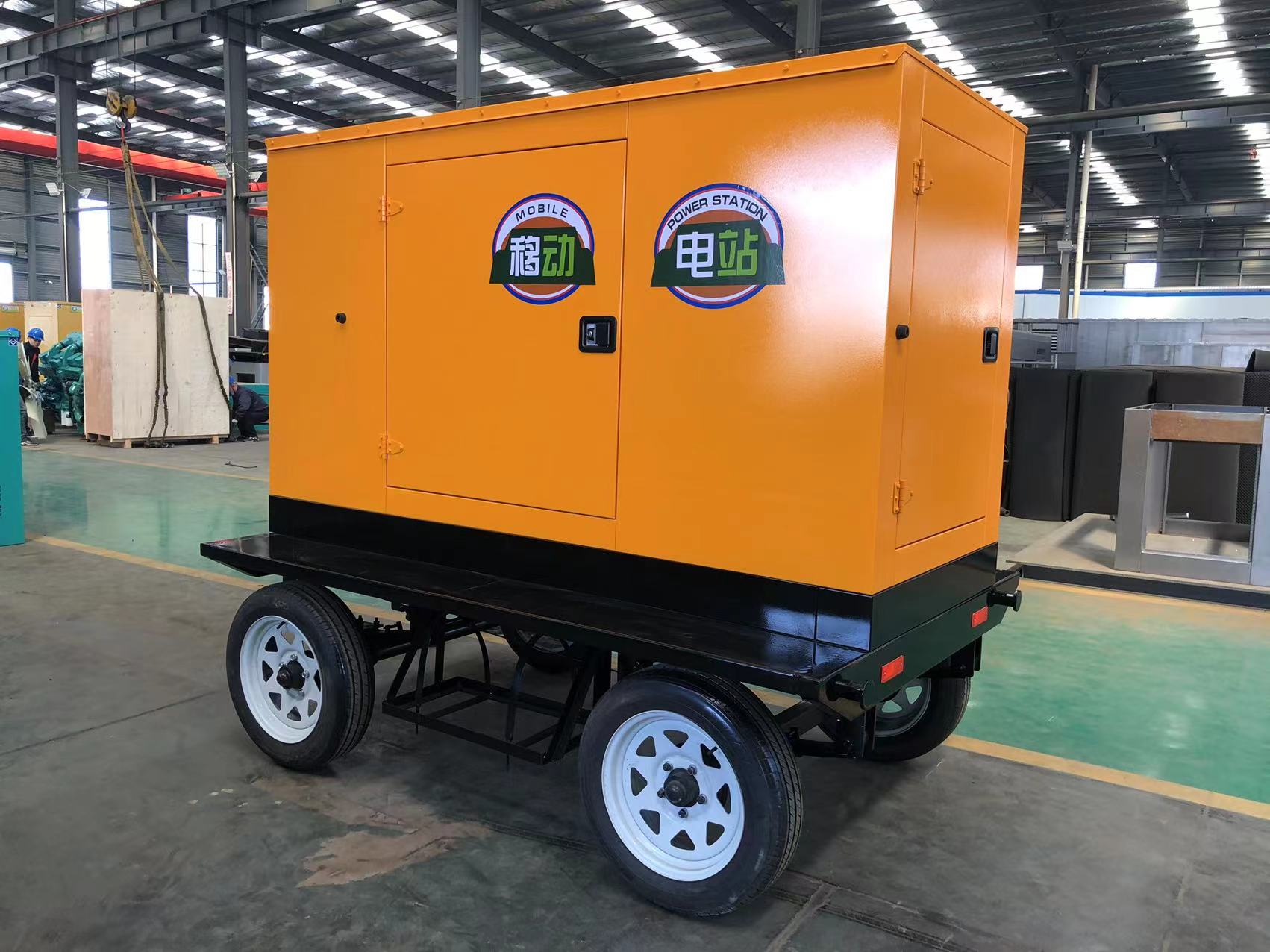
Mobile equipment: If a trailer-mounted option is proposed, request the trailer’s documented limits and included features, and confirm that they meet the project’s transport and site constraints.
These checks apply across applications. A factory may prioritize production continuity and motor-starting performance; a data center team may focus on the documented critical-power sequence and coordination with other sources; a hospital project may need clear separation of essential and non-essential loads. These are prompts for project review, not claims that a particular set meets any application by default.
Request comparable commercial and supply commitments
Ask each supplier to quote against the same equipment boundary and identify exclusions, optional items, installation responsibilities and required site inputs. Request a project-specific delivery schedule and state which milestones it covers. Do not treat an estimated lead time as confirmed until the supplier documents its assumptions and commitments.
Ask for the proposed warranty terms in writing, including the responsible entity, coverage scope, exclusions and claim process. Confirm who will handle commissioning, maintenance, spare parts and breakdown support, and whether that party is named in the commercial offer. Availability of local service or parts should be verified directly; do not infer it from the engine brand or a supplier’s general market presence.
For each candidate, compare the evidence in the offer: technical data, bill of supply, control diagrams, applicable test documentation, commercial terms and stated responsibilities. Where a requested item is not yet confirmed, record it as an open point instead of treating it as included.
Prepare a useful supplier inquiry
Send each prospective supplier a consistent project brief. Include the application, load schedule, critical-load priorities, expected operating profile, requested prime or standby duty, frequency and voltage, installation constraints, preferred enclosure or mobile arrangement, and whether ATS or paralleling is required. Attach available site and interface information, and identify any project-specific acceptance requirements for the bidder to address.
Ask the supplier to return the exact set and engine model, documented rating basis, equipment scope, exclusions, ATS hardware details, paralleling scope if applicable, enclosure and noise evidence, trailer limits if relevant, and written warranty, delivery and service responsibility. Request that unanswered items be marked as pending. This creates a more defensible comparison than choosing by brand, model code or headline rating alone.
A supplier shortlist should be based on whether each bidder can document a technically aligned complete-set proposal and accept clear responsibility for its stated scope. For a project in Saudi Arabia, confirm site conditions, electrical interfaces, acceptance requirements, delivery arrangements and support commitments with the project team and the bidder before making a purchase decision.
To request a project-specific quotation, send the load profile, required duty, electrical requirements and preferred equipment configuration. Ask for a written technical and commercial response that identifies assumptions, exclusions and the responsible supplier for each part of the scope.
Stay Updated with Our News
Subscribe to our newsletter for the latest industry insights and product updates.