
Diesel Genset Factory: How to Select a Supplier
Diesel Genset Factory: How to Select a Supplier
A diesel genset factory search should help you identify a supplier whose available ratings and configuration can be checked against your project—not simply produce a price for a kilowatt figure. For buyers in South Africa, start by documenting the site load, intended duty, required voltage and frequency, and installation constraints, then ask the supplier to confirm each point against a proposed model. The sample range below includes 50Hz diesel generator sets from 20kW to 3,000kW, with listed voltage options of 400/230V or 380/220V depending on the model. Confirm suitability for your specific project before comparing offers.
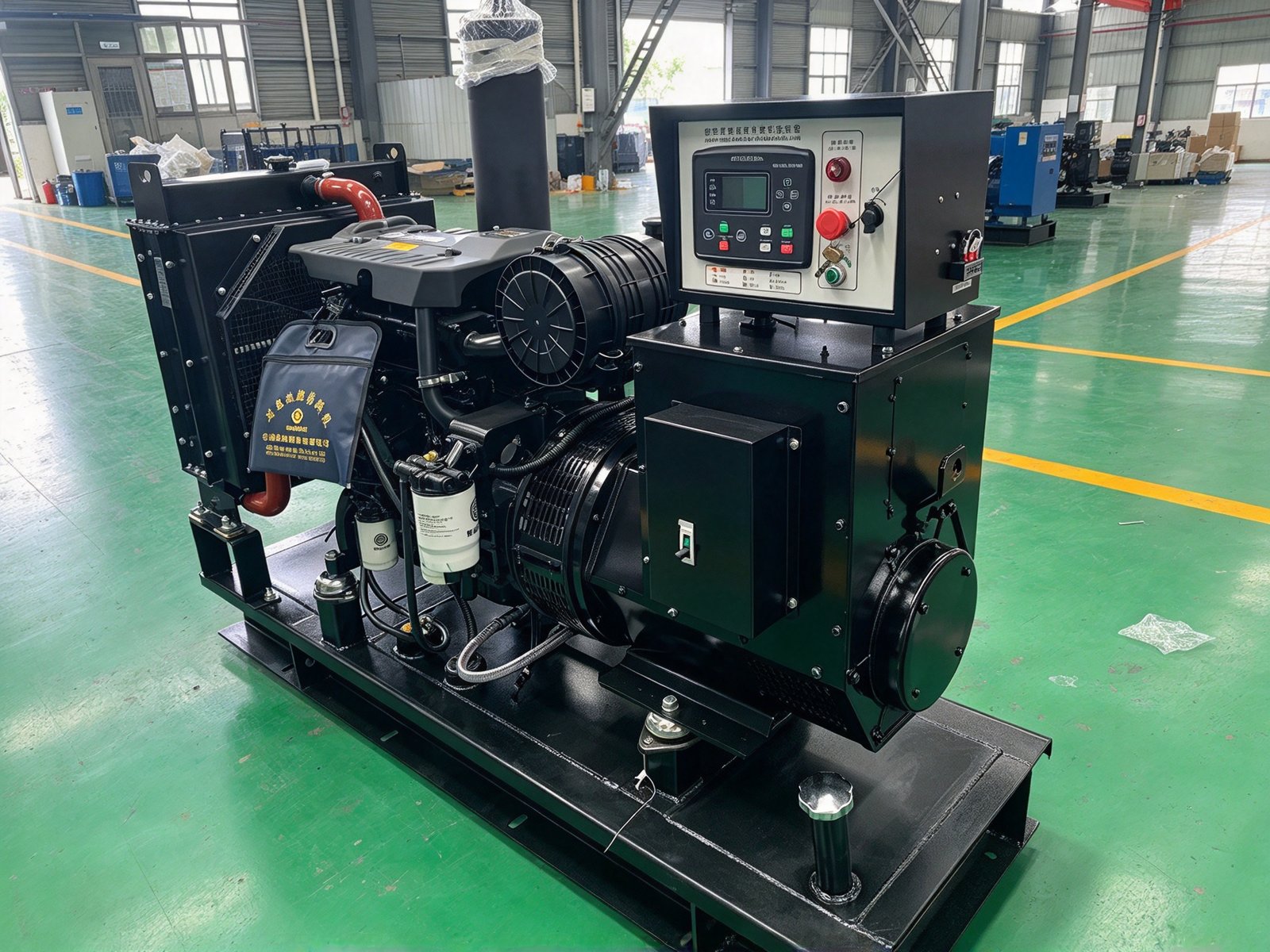
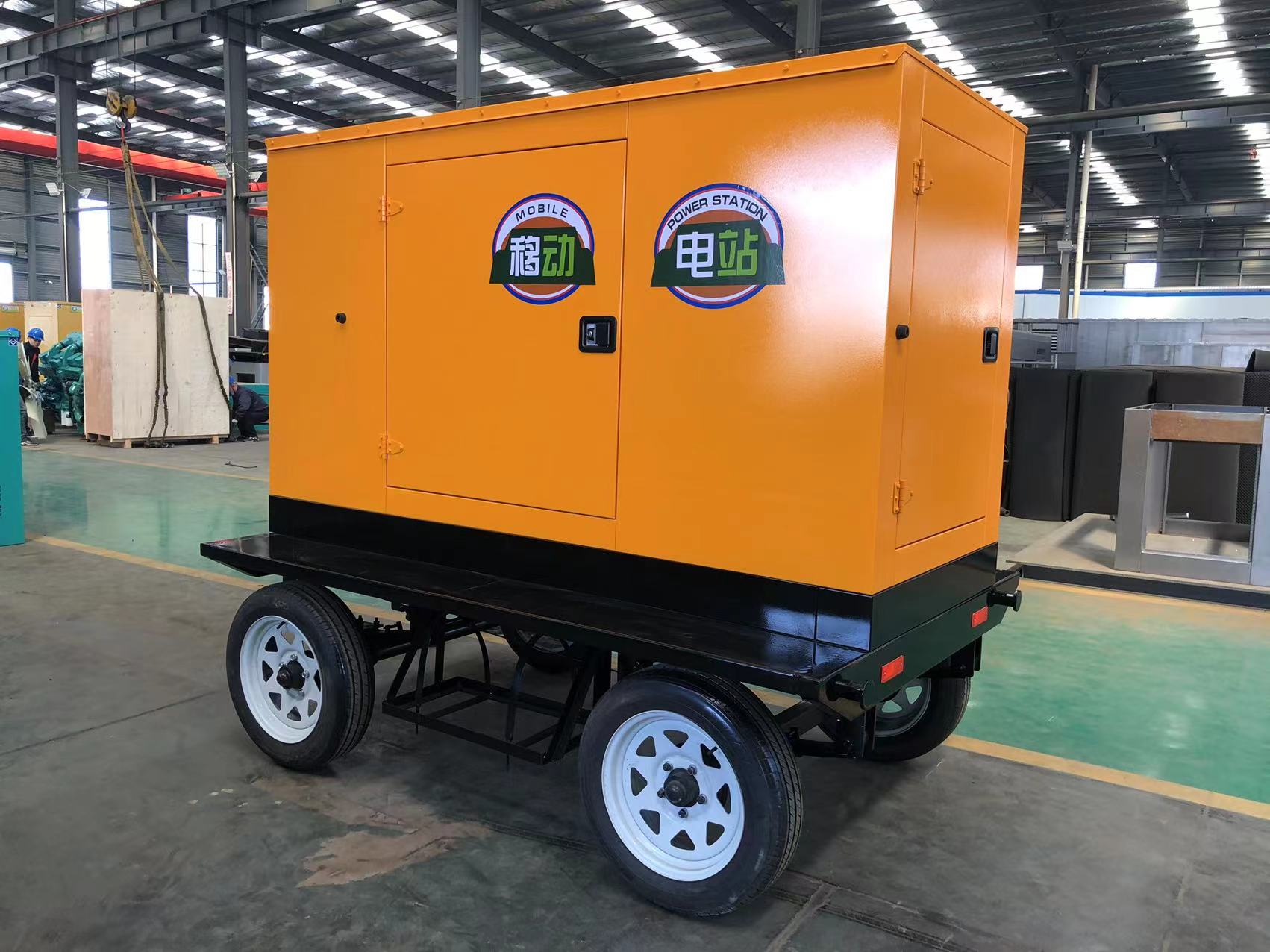
Illustrative generator photo; exact enclosure, frequency and configuration may differ from the model discussed.
What to check when evaluating a diesel genset factory
A useful supplier inquiry should make the proposed equipment identifiable and its ratings comparable. Request the exact model designation and a written specification for the offered configuration. Check that the quote states prime power and standby power separately, rather than presenting one rating without explaining its basis. The examples in the range below list both ratings, such as 64kW prime and 70kW standby for model KC-W64Y88.
Ask the supplier to confirm the following for the actual unit being quoted:
- Prime power and standby power, and which rating applies to your operating duty.
- Rated frequency and output voltage, including whether the offered configuration matches the site design.
- Engine and alternator models, plus the listed control and voltage-regulation details.
- Overall dimensions and weight, where available, for access, floor-space and installation planning.
- Any options or project requirements not shown in the base model specification.
For South African procurement, do not assume that a catalogue voltage, frequency, emissions description, certification or service arrangement meets your project requirements. Provide the project specification and ask the supplier to confirm compliance and availability in writing. The products described here have listed 50Hz ratings; no 60Hz configuration is established by these examples.
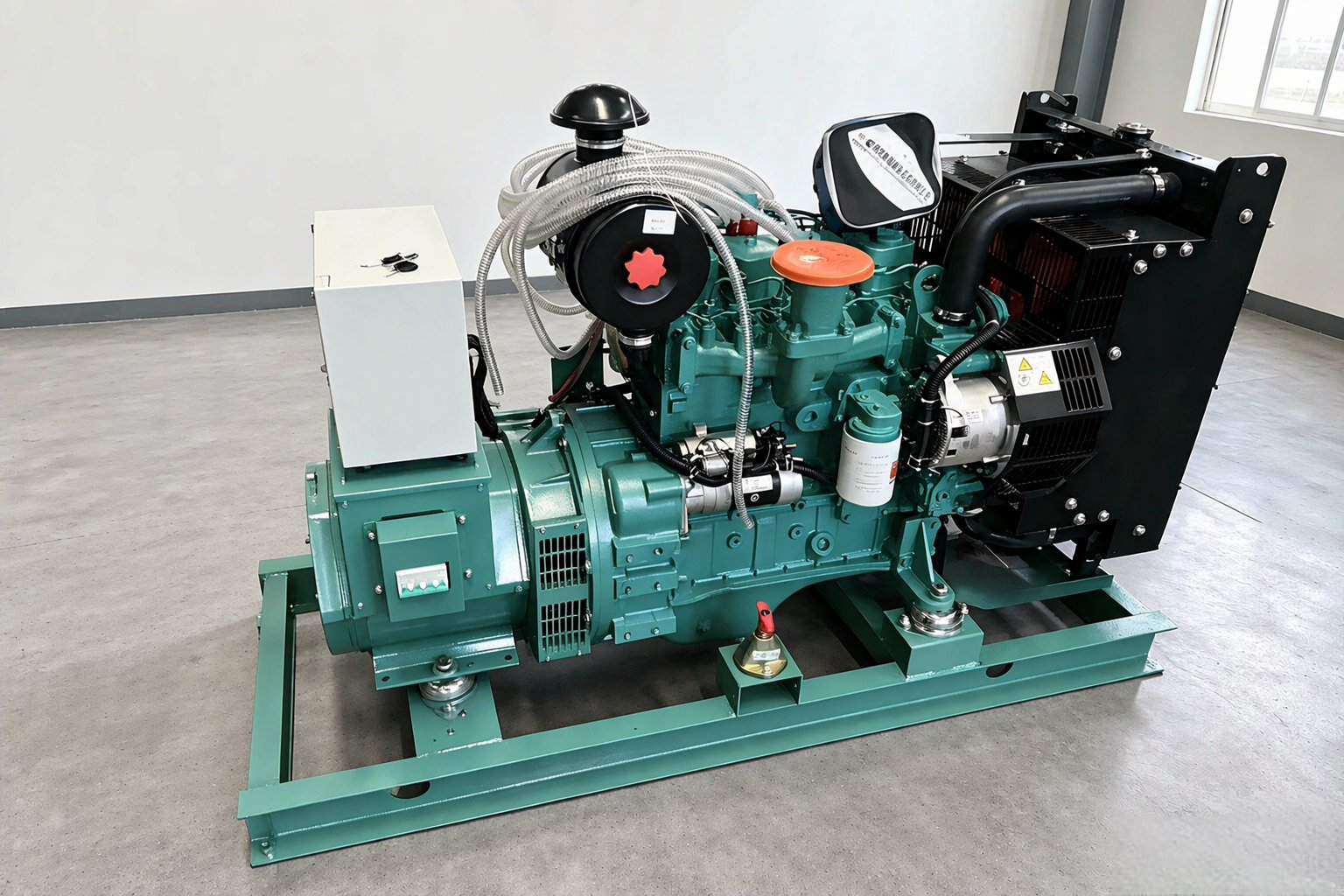
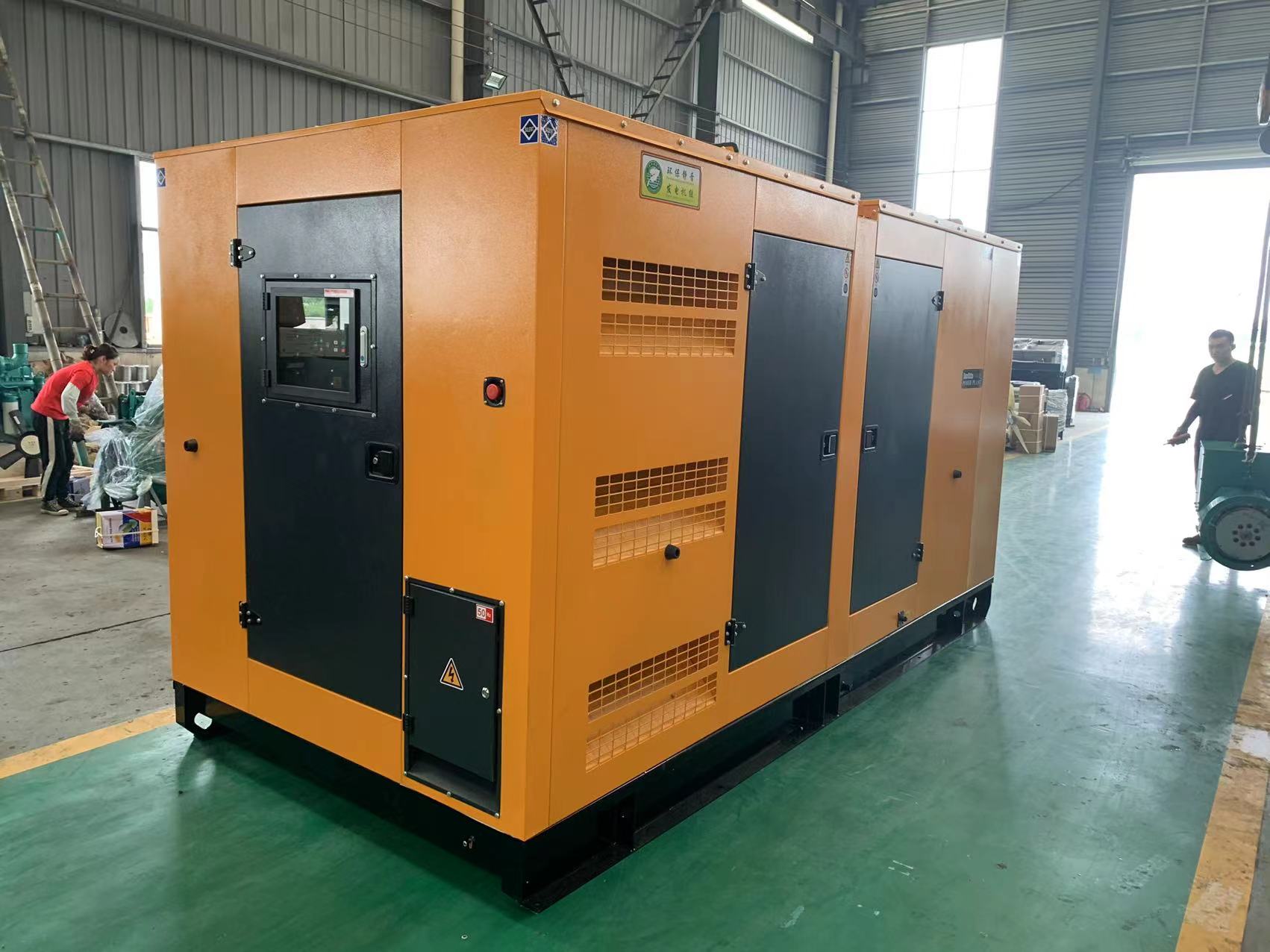
Illustrative generator photo; exact enclosure, frequency and configuration may differ from the model discussed.
Size the genset from the load, not from a single appliance
Prepare a load schedule before selecting a model. Record the operating load for each item, identify equipment that starts intermittently, and distinguish essential loads from those that can be shed. Include the site’s expected operating sequence and any planned expansion. A facility engineer or EPC contractor can use that information to develop a load calculation and identify the rating required for the actual operating scenario.
Pay particular attention to motor starts and other changing loads. A simple sum of running kilowatts may not describe the demand at startup or during simultaneous operation. Give the supplier the relevant load and starting information, and ask for confirmation that the proposed rating and configuration are appropriate. Do not choose a larger or smaller set solely by comparing one headline kilowatt figure.
Also check practical installation constraints. Compare the offered dimensions and weight with the intended room, access route, foundation and lifting plan. The listed examples range from a 750kg, 20kW model to larger units with substantially different footprints and weights. Confirm the exact configuration and final dimensions for the quoted set, especially if the installation space is restricted.
Prime power versus standby power
The catalogue examples identify separate prime and standby ratings. Selection should follow the intended duty and the project’s design basis: tell the supplier whether the genset is being considered for regular operation or for backup, and ask which rating applies to that use. Do not treat the standby figure as interchangeable with prime power without confirmation.
For example, the 160kW KC-P160 is listed at 160kW prime and 176kW standby. The 650kW KC-C650 is listed at 650kW prime and 700kW standby. These figures describe the specific product listings; they do not, by themselves, establish how either set will perform under your site’s load profile. Request the applicable rating conditions and have the supplier confirm the proposed model against your duty requirements.
Compare frequency and voltage before shortlisting
Frequency and voltage must match the project specification. Most models in the sample are listed at 50Hz and 400/230V. The KC-YC3000 is listed at 50Hz and 380/220V, while the KC-P160 is listed at 50Hz and 230/400V. Do not assume that voltage order, connection details or frequency can be changed without a confirmed configuration.
If the project documents specify a different voltage or frequency, include that requirement in the inquiry and request written confirmation that the offered unit is available in that configuration. Where electrical integration depends on connection, protection or control arrangements, provide the relevant project documents and ask the supplier to clarify what is included. The available product facts do not establish a 60Hz option or project-specific electrical accessories.
Sample diesel genset models by power range
The following examples illustrate available ratings and named engine models. They are reference points for a shortlist, not a substitute for confirming the full configuration and project fit.
- KC-DC20G: 20kW prime and 22kW standby, 50Hz, 400/230V; 4B3.9-G1 diesel engine and KCI-20 alternator. The listing specifies mechanical governing and a brushless three-phase synchronous alternator with AVR (automatic voltage regulator).
- KC-W64Y88: 64kW prime and 70kW standby, 50Hz, 400/230V; WP4.1D80E200 diesel engine and KCI-64 alternator. The listing specifies electronic governing.
- KC-P160: 160kW prime and 176kW standby, 50Hz, 230/400V; 1106A-70TAG4 diesel engine and KCI-160 alternator.
- KCV-282GF: 282kW prime and 310kW standby, 50Hz, 400/230V; TAD1342GE-B diesel engine and KCI-282 alternator.
- KC-450: 450kW prime and 500kW standby, 50Hz, 400/230V; KCV550 diesel engine and KCI-450 alternator.
- KC-C650: 650kW prime and 700kW standby, 50Hz, 400/230V; KTA38-G2E diesel engine and KCI-650 alternator.
- KC-S1118: 1,118kW prime and 1,229.8kW standby, 50Hz, 400/230V; 6WTAA35-G313 diesel engine and KCI-1118 alternator.
- KC-YC3000: 3,000kW prime and 3,300kW standby, 50Hz, 380/220V; YC16VC4900-D30 diesel engine and KCI-3000 alternator. Its listed dimensions and weight are marked as reference values, so confirm final figures for the offered unit.
Several listings specify a brushless three-phase synchronous alternator, AVR voltage regulation, IP23 protection class and H-class insulation. Check the individual model specification rather than assuming every detail applies uniformly across all sizes. Emissions entries also vary: some listings identify China Stage II or China Stage III emission categories, while others do not state an emissions category. These labels are not confirmation of compliance with South African or project-specific requirements; ask for documentation applicable to the intended installation.
Consider the application and the installation plan
The recorded application examples include factory and logistics environments at 250kW and 600kW. They show that gensets in these power classes have been recorded for that industry, but do not establish a particular site design, performance outcome or customer identity. Use them as context for discussing your own operating loads and installation conditions, not as a substitute for engineering review.
For a factory or logistics facility, share the critical-load list, operating schedule and major equipment starting characteristics. For an EPC package, state the required electrical interface, physical envelope and project documentation needs. For a distributor, identify the intended end-use and the exact configuration needed before presenting a model to a customer. In every case, get written confirmation of the model, rating, voltage, frequency, emissions documentation and included accessories relevant to the order.
Prepare a complete request for quotation
A clear RFQ helps a supplier respond against the same requirements you are using to evaluate alternatives. Include the site’s required prime and standby duty, load calculation, voltage and frequency, installation location, access dimensions, and any documented project compliance requirements. State whether you are seeking an open-frame set or another configuration; the product examples here do not establish that every enclosure type is available.
Ask for a model-specific technical proposal that identifies the diesel engine, alternator, ratings, dimensions, weight and stated emissions information. Request clarification for any required items not shown in the product specification, such as controls, transfer equipment, acoustic treatment, commissioning scope, spare parts, delivery terms or service arrangements. Do not assume these are included unless the supplier confirms them in the offer.
For a South Africa project, send the applicable project specification and ask the supplier to confirm in writing whether the proposed configuration meets it. Include the required local documentation and any site-specific requirements in the RFQ; the information available here does not verify local approvals, a local service network, shipping arrangements or delivery schedules.
To request a proposal, share your load schedule, intended duty, required voltage and frequency, installation constraints and project location. Ask for a model-specific offer that clearly separates prime and standby ratings and identifies any points requiring confirmation before purchase.
FAQ
What can cause black smoke from a diesel generator set?
Black smoke can indicate incomplete combustion. Possible causes include a clogged air filter restricting intake, excess fuel injection, poor injector atomization, a sudden load increase or poor-quality diesel. Check and clean the air filter, use suitable diesel, inspect the injection system and avoid prolonged operation under excessive load.
A generator set stopped automatically and will not restart. How can I distinguish a protection trip from hardware damage?
Check the controller’s fault history first. If overspeed, high-temperature or low-oil-pressure protection was triggered, reset the protection manually after addressing the cause. If there is no fault code, check the battery and fuel system.
Why might a brushless generator have no voltage output after being stopped for a while?
Loss of residual magnetism is one possible cause; magnetization can restore it. Windings can lose magnetism more readily in damp conditions, so keep the generator room dry.
What is the routine maintenance interval for a generator set?
The stated schedule is an initial service after 50 hours, including an oil, oil-filter and fuel-filter change. Routine service is every 200–250 hours: change the oil and three filters, check the belt, coolant, battery, piping and fasteners, and clean the air filter and radiator. A full-unit inspection is recommended annually.
What should be checked if a generator set has high coolant temperature or shuts down on a high-temperature alarm?
Check the coolant level, radiator blockage, fan speed, thermostat and water-pump operation. Clean the radiator cooling system and address blockage or restricted coolant circulation.
Stay Updated with Our News
Subscribe to our newsletter for the latest industry insights and product updates.