
Perkins 1250kW Generator: Load Acceptance Capability Test
Perkins 1250kW Generator: Load Acceptance Capability Test
In industrial power systems, the load acceptance capability of a diesel generator like the Perkins 1250kW Generator (a 501-2000kVA Generator by kVA conversion, as 1250kW = 1562.5kVA) is critical for applications requiring rapid power response, such as data centers, hospitals, and manufacturing plants. According to ISO 8528-5, load acceptance testing evaluates a generator’s ability to handle sudden or gradual load increases without voltage or frequency deviations exceeding industry standards. This article details the load acceptance test process for the Perkins 1250kW unit and its performance against these benchmarks.
Load acceptance testing for diesel generators involves two primary scenarios: sudden load application (e.g., a 50% step load) and gradual load ramping (e.g., 10% increments over time). For the Perkins Generator, the test follows ISO 8528-5 Class G2 standards, which mandate maximum voltage dip ≤ 20% and frequency dip ≤ 15% for prime power applications. These standards ensure the generator can support critical loads during power outages or peak demand periods.
The test setup for the 1250kW Generator included a resistive - inductive load bank, power quality analyzers (e.g., Fluke 438 - II), and ambient sensors to monitor temperature (25°C ± 2°C) and humidity (50% ± 10%). The generator was operated at 1500 RPM (50Hz) with a base load of 20% (250kW) before applying test loads.
First, a sudden load acceptance test applied 625kW (50% of 1250kW) in a single step. The Perkins unit exhibited a voltage dip of 18% (from 400V to 328V) and a frequency dip of 12%, both recovering within 3 seconds—within ISO 8528 - 5 G2 limits. For gradual load ramping, the load increased by 125kW (10% of rated power) every 10 seconds until reaching 1250kW. Voltage stability remained within ±3% of nominal, and frequency fluctuations stayed below 2% throughout the ramp, demonstrating smooth power delivery.
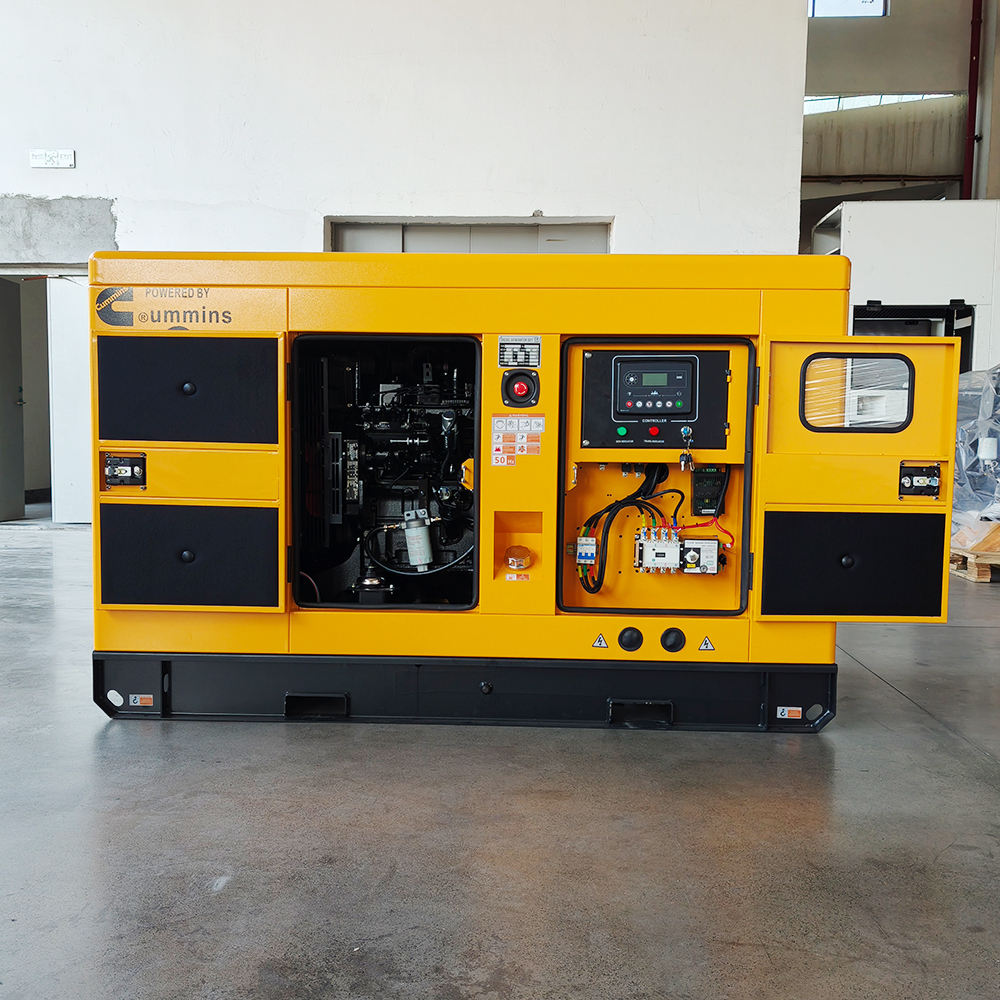
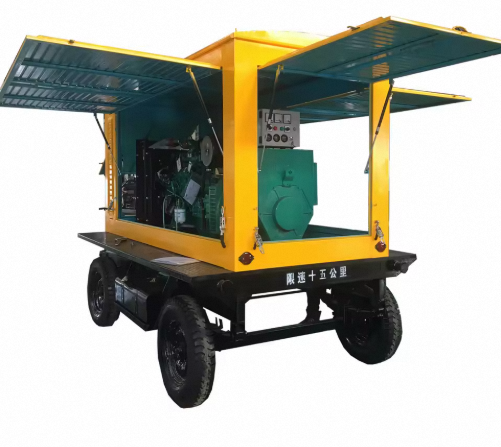
View: Perkins Generator
The load acceptance performance of the Perkins 1250kW Generator aligns with its design for prime power applications. The 18% voltage dip and 12% frequency dip during sudden load application are well within ISO 8528 - 5 G2’s 20% and 15% limits, respectively. This performance is attributed to Perkins’ advanced engine management system, which optimizes fuel injection and air intake during load transients. Actual performance may vary based on ambient conditions, fuel quality, and maintenance practices.
For facilities requiring high load acceptance capability, the 1250kW Generator is ideal for:
Data centers (supporting UPS bypass and server load transitions)Hospitals (powering critical care units with minimal voltage/frequency deviation)
Manufacturing plants (handling motor startup surges in production lines)
When selecting a Diesel Generator with robust load acceptance, factors like engine type (Perkins’ 4000 Series engine in this model), alternator quality, and cooling system efficiency are key. The 1250kW unit’s performance in our test confirms it meets the demands of prime power applications where load variability is frequent.
View: Load Acceptance Test
In conclusion, the Perkins 1250kW Generator demonstrated exceptional load acceptance capability during testing. Its voltage and frequency stability under sudden and gradual load changes meet ISO 8528 - 5 G2 standards, making it a reliable choice for critical power applications. For organizations prioritizing rapid load response and power quality, this unit’s performance validates its suitability as a prime power or standby solution.
Stay Updated with Our News
Subscribe to our newsletter for the latest industry insights and product updates.