
Cummins 250kW Generator: Ground Fault Protection Settings
Cummins 250kW Generator: Ground Fault Protection Settings
Ground faults account for approximately 25% of all generator - related electrical failures in industrial settings, as reported by the Electrical Generating Systems Association (EGSA). For critical applications like data centers and manufacturing plants, proper ground fault protection (GFP) settings on a Cummins Generator—such as the 250kW (101 - 500kVA Generator) model—are essential to prevent equipment damage, downtime, and safety hazards. This article outlines the technical parameters, configuration steps, and application - specific considerations for optimizing GFP on a Cummins 250kW Generator to ensure reliable operation.
In industrial power systems, a ground fault occurs when current flows from a phase conductor to ground, bypassing the intended load. Left unprotected, such faults can cause insulation degradation, arc flash incidents, or catastrophic equipment failure. The Cummins 250kW Generator is designed to comply with standards like IEEE 1547 (Interconnection and Interoperability of Distributed Energy Resources) and NFPA 70 (National Electrical Code), which mandate GFP for generators over 100kVA in most commercial and industrial installations. A study by Power Engineering International found that generators with properly configured GFP experience 40% fewer unplanned outages compared to those without.
View: Cummins Generator
Configuring ground fault protection on a Cummins 250kW Generator involves three key steps:
Current Transformer (CT) Placement: Install a CT around the generator’s neutral conductor (for wye - connected systems) or across all three phases (for delta configurations) to detect imbalanced current indicative of a ground fault. Cummins recommends using a CT with a ratio of 1000:5 A for 250kW units, ensuring sensitivity to faults as low as 5A.Relay Settings: The GFP relay (e.g., Cummins’ DSE8610 or equivalent) must be programmed with an appropriate pickup current and time delay. For most industrial applications, a pickup current of 5–10A (based on system impedance) and a time delay of 0.5–2 seconds balance fault detection speed and false trip prevention. In data center environments, where downtime is critical, settings like 5A pickup and 0.5 - second delay are preferred to minimize fault clearing time.
Testing and Validation: After configuration, perform a primary injection test using a calibrated test set to simulate a ground fault. The generator should trip within the set time delay, and the alarm system (if equipped) should activate. Cummins’ service manual for the 250kW model specifies that GFP should be retested quarterly to ensure accuracy, especially after any maintenance or system modifications.
When setting up GFP for a 250kW Generator, consider the application’s risk profile:

Manufacturing Plants: Balance sensitivity with immunity to transient currents (e.g., welding operations). A 10A pickup and 2 - second delay may reduce false trips while still detecting significant faults.
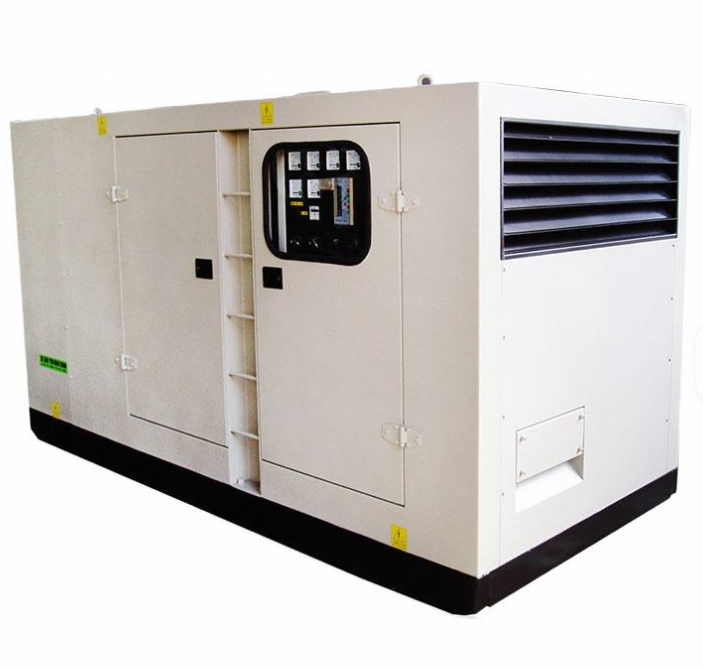
Remote Industrial Sites: In locations with limited maintenance access, set a lower pickup current (5A) to detect even minor faults early, preventing catastrophic failures.
View: 101 - 500kVA Generator
As a leading Generator Set Manufacturers, Jiangsu Kaichen Power Equipment Co., Ltd. (Kaichen Power) offers pre - configured GFP settings for Cummins 250kW Generator units based on site - specific requirements. Their engineering team collaborates with clients to analyze system impedance, load characteristics, and local codes to optimize protection parameters, ensuring compliance and reliability. Properly configured ground fault protection not only safeguards equipment but also aligns with global safety standards, reducing the risk of costly disruptions and ensuring the Cummins Generator operates at peak safety and efficiency.
Stay Updated with Our News
Subscribe to our newsletter for the latest industry insights and product updates.