
Cummins 250kW Generator: Ground Fault Protection Settings
Cummins 250kW Generator: Ground Fault Protection Settings
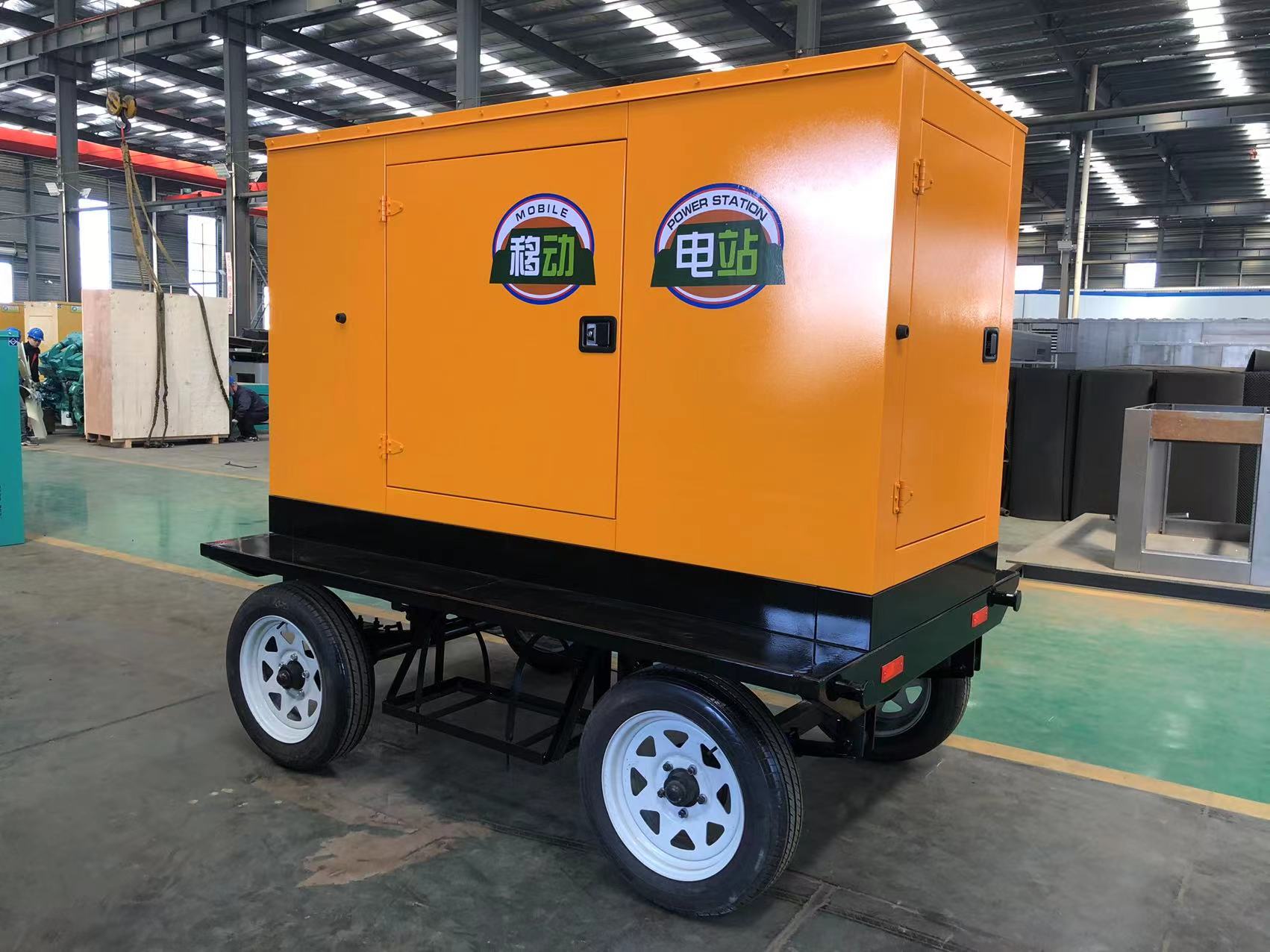
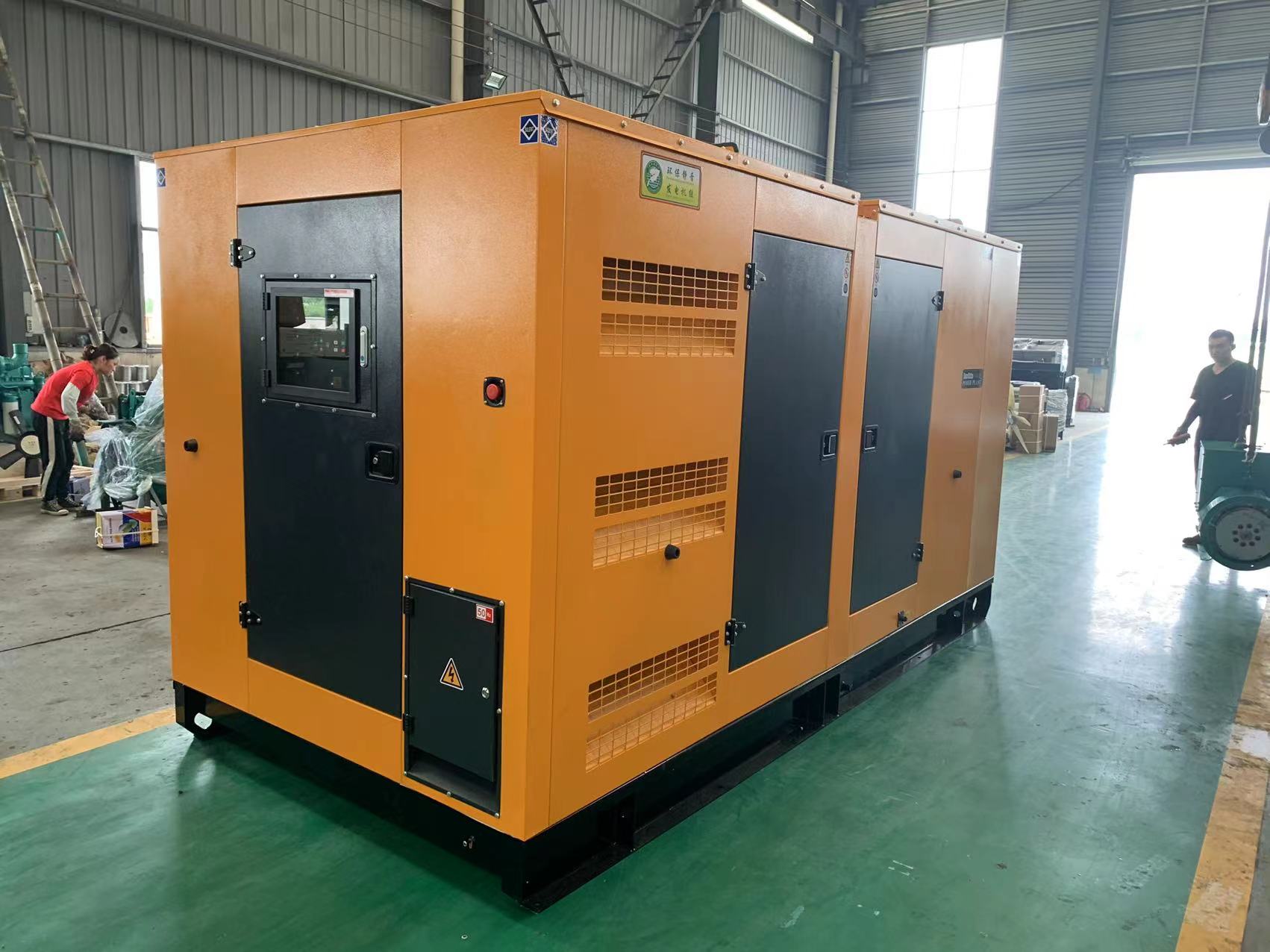
According to the International Energy Agency (IEA), ground faults account for 22% of unplanned outages in industrial power systems, highlighting the critical need for robust protection mechanisms. The Cummins 250kW Generator (a 101-500kVA Generator unit, ideal for mid-sized industrial applications) integrates advanced ground fault protection to minimize downtime and equipment damage. This article outlines the technical parameters, setting procedures, and compliance standards for optimizing ground fault protection in these generators, ensuring alignment with IEEE 1547 and NFPA 70 guidelines.
Ground faults occur when current flows through an unintended path to ground, risking electrical fires, equipment failure, and personnel hazards. In industrial settings, the 250kW Generator (common in data centers, manufacturing plants, and commercial facilities) operates under stringent safety regulations. Standards like IEEE 1547-2018 mandate ground fault detection for generators connected to utility grids, while NFPA 70 (National Electrical Code) specifies maximum fault-clearing times to prevent arc flash incidents.
The Cummins 250kW Generator’s ground fault protection system relies on residual current detection, where the sum of phase currents (Iₐ + Iᵦ + Ic) should ideally be zero in a balanced system. A deviation indicates a fault. Key settings include:
Sensitivity Threshold: Typically set between 30mA and 1A, depending on application (e.g., 30mA for data centers with sensitive loads, 500mA for industrial environments with higher noise immunity).Time-Delay Settings: Adjustable from 0.1 to 5 seconds to avoid nuisance tripping during transient events. For critical loads, a 0.5-second delay balances safety and operational continuity.
Testing Protocols: Monthly tests using a dedicated ground fault tester (per NFPA 70B) ensure the system responds to simulated faults. The generator’s control panel provides a test button for quick verification.
View: Cummins Generator
The generator’s digital control module (DCM) allows precise configuration via a menu-driven interface. For example, in a 250kW Generator used in a chemical plant, the ground fault current threshold might be set to 800mA with a 1-second delay to accommodate motor starting currents. It’s critical to align settings with the system’s earth resistance (≤2Ω for TN-S systems, per IEC 60364-4-41) to ensure reliable detection without false alarms.
When selecting ground fault protection settings for a Cummins 250kW Generator, consider three factors:
Load Type: Sensitive loads (e.g., medical equipment, servers) require lower sensitivity (30–100mA) to detect minute faults, while industrial motors tolerate higher thresholds (500mA–1A).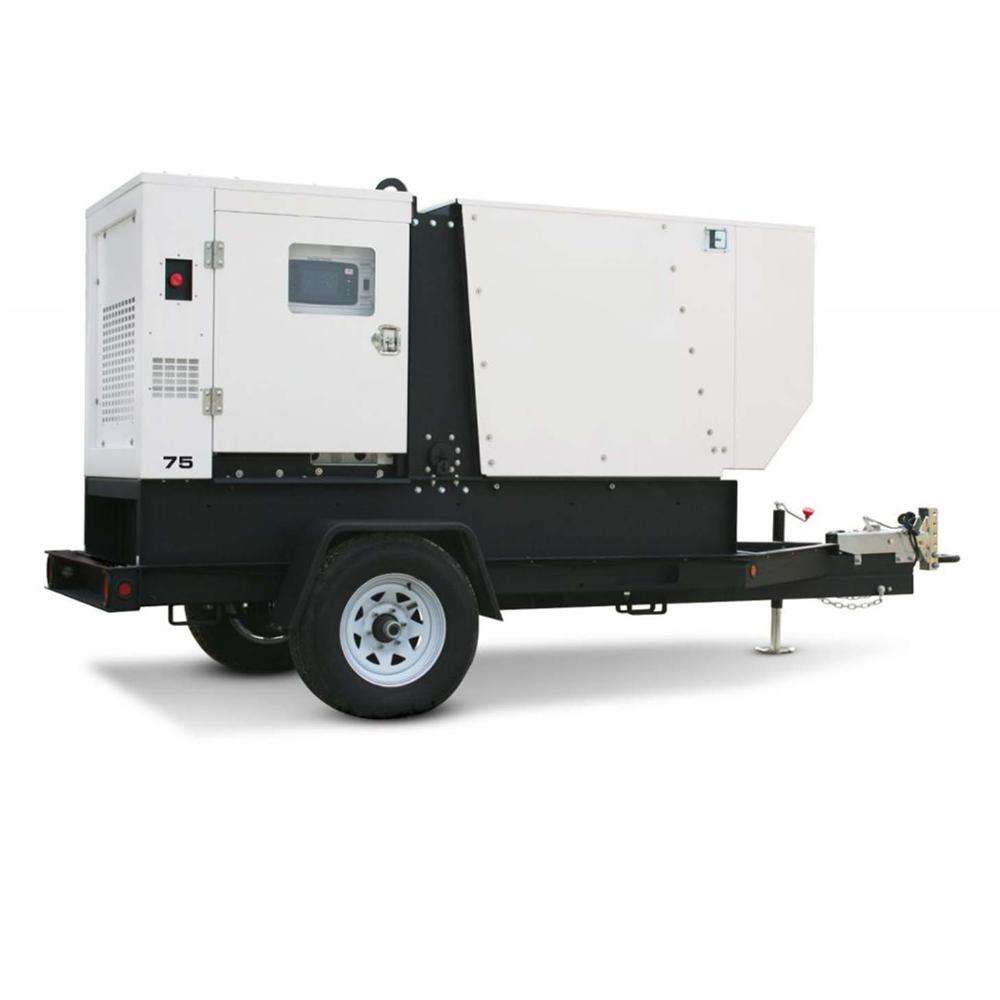
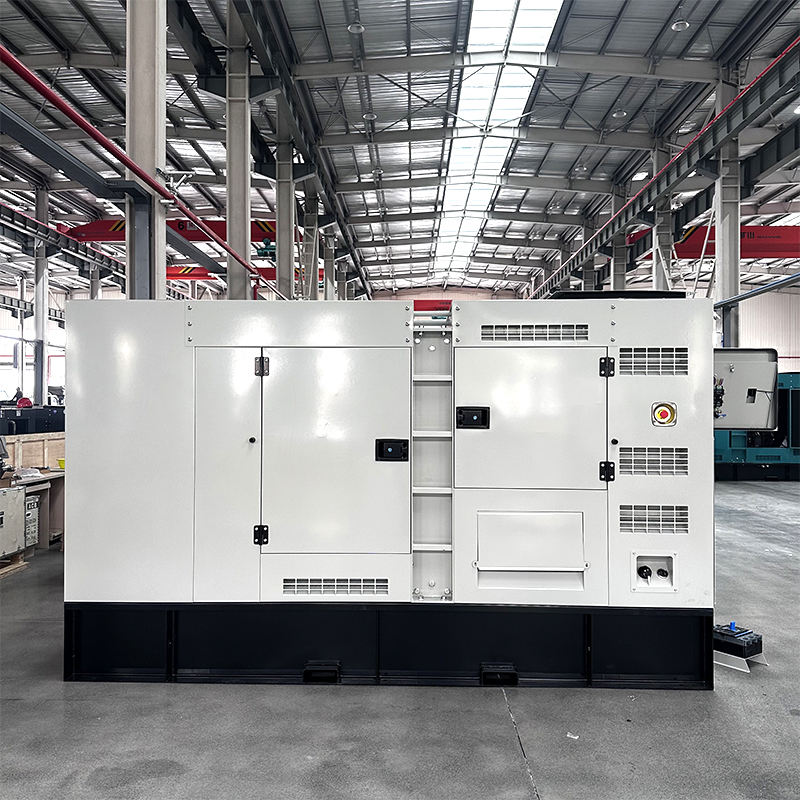
Compliance Requirements: Local codes (e.g., NEC Article 250) and industry standards (e.g., IEEE 1547 for grid-tied systems) dictate minimum protection levels. Always consult a licensed electrician for site-specific calibration.
View: 101-500kVA Generator
Properly configured ground fault protection in a Cummins 250kW Generator not only safeguards equipment but also aligns with global safety standards. By adhering to the outlined settings and testing protocols, operators can reduce downtime, comply with regulations, and protect personnel. For custom configurations or technical support, engage with a certified Cummins service provider or a trusted OEM like Jiangsu Kaichen Power Equipment Co., Ltd., which specializes in optimizing generator protection for diverse industrial needs.
Actual performance may vary based on installation environment, load characteristics, and maintenance practices. All settings should be verified by a qualified electrical engineer.
Stay Updated with Our News
Subscribe to our newsletter for the latest industry insights and product updates.