
Mobile Trailer Generator 200kVA Doosan: Tire Pressure Monitoring Setup
Mobile Trailer Generator 200kVA Doosan: Tire Pressure Monitoring Setup
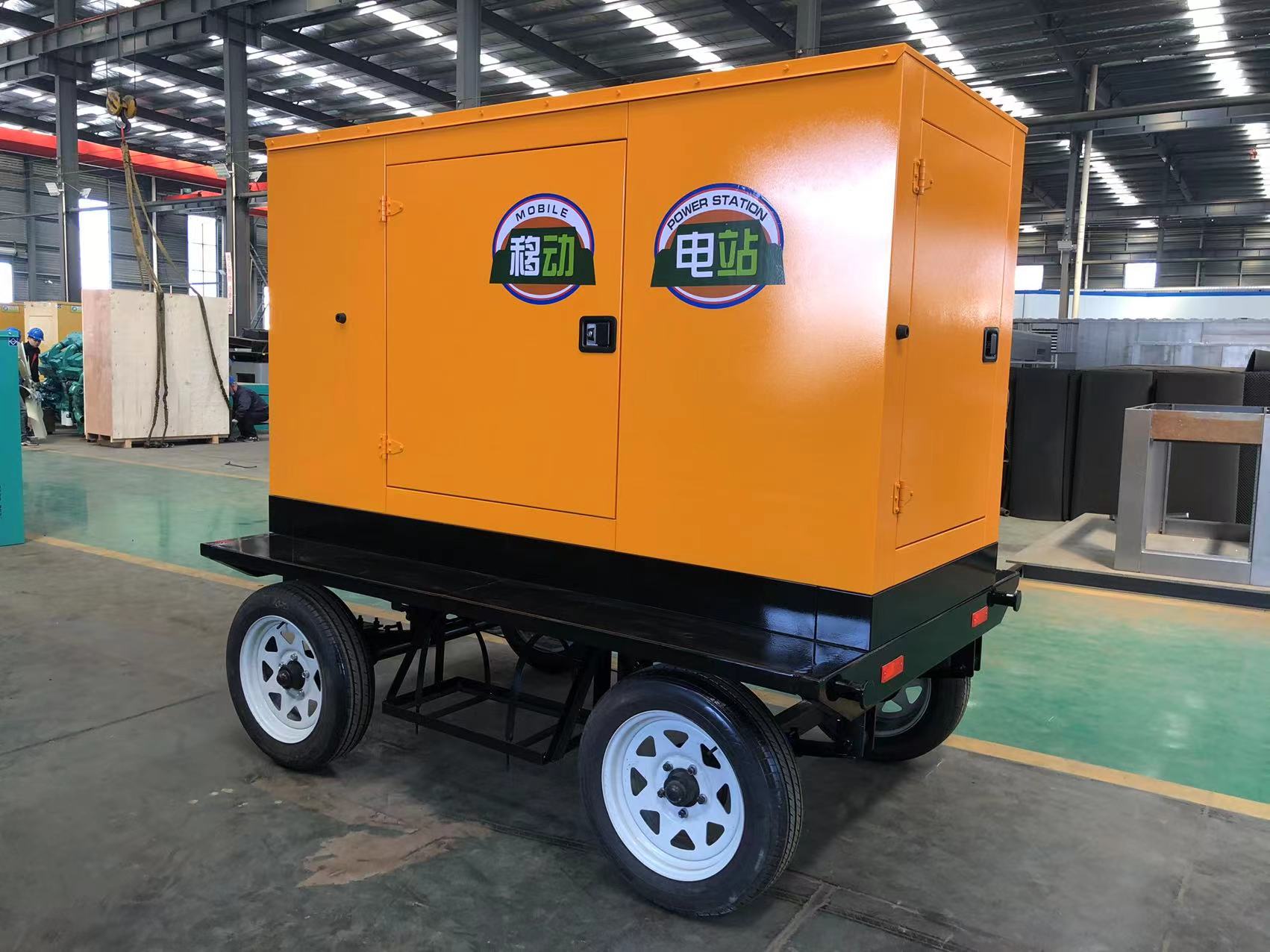
In industrial power applications, maintaining optimal tire pressure on mobile trailer generators is critical for safety, equipment longevity, and fuel efficiency. The 200kVA Doosan Mobile Trailer Generator (part of the 101-500kVA Generator range) relies on precise tire pressure to ensure stable transport and deployment, especially in rugged job site conditions. This guide outlines the technical steps and best practices for setting up tire pressure monitoring on this unit, aligning with Doosan’s engineering standards and industry safety protocols like ISO 8528-9 for mobile power systems.
A study by the National Highway Traffic Safety Administration (NHTSA) found that underinflated tires can increase fuel consumption by up to 3%, while overinflation reduces traction and increases wear. For a 200kVA generator trailer, improper tire pressure also risks uneven load distribution, potentially damaging the generator’s internal components during transit. Doosan’s 200kVA model—equipped with a tandem-axle trailer design—requires consistent tire pressure across all wheels to maintain structural integrity and power system stability.
Technical Setup Steps
Sensor Selection
Choose TPMS (Tire Pressure Monitoring System) sensors compatible with Doosan’s trailer axle specifications. Doosan recommends sensors with an IP67 waterproof rating to withstand harsh environments (e.g., dust, moisture), as outlined in their 2024 maintenance manual. Opt for sensors with a temperature operating range of -40°C to 85°C to accommodate extreme job site conditions.
Mounting Position
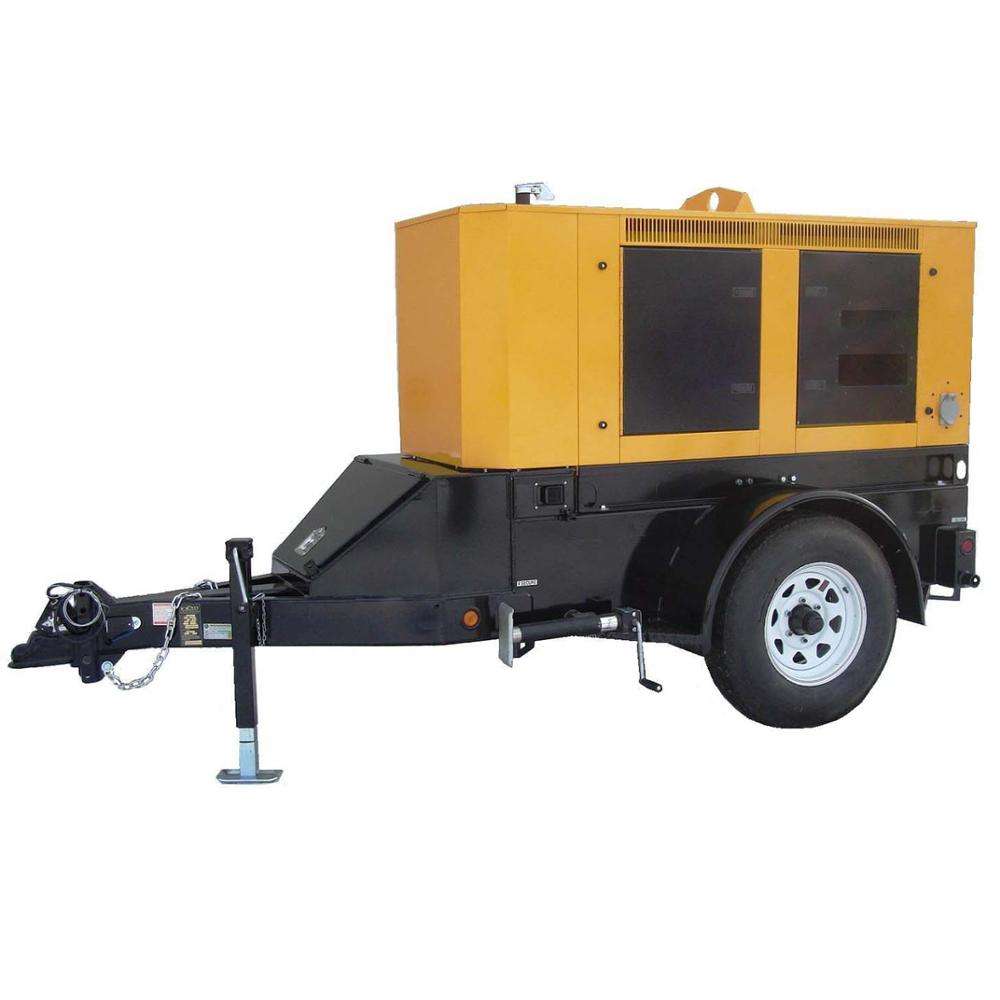
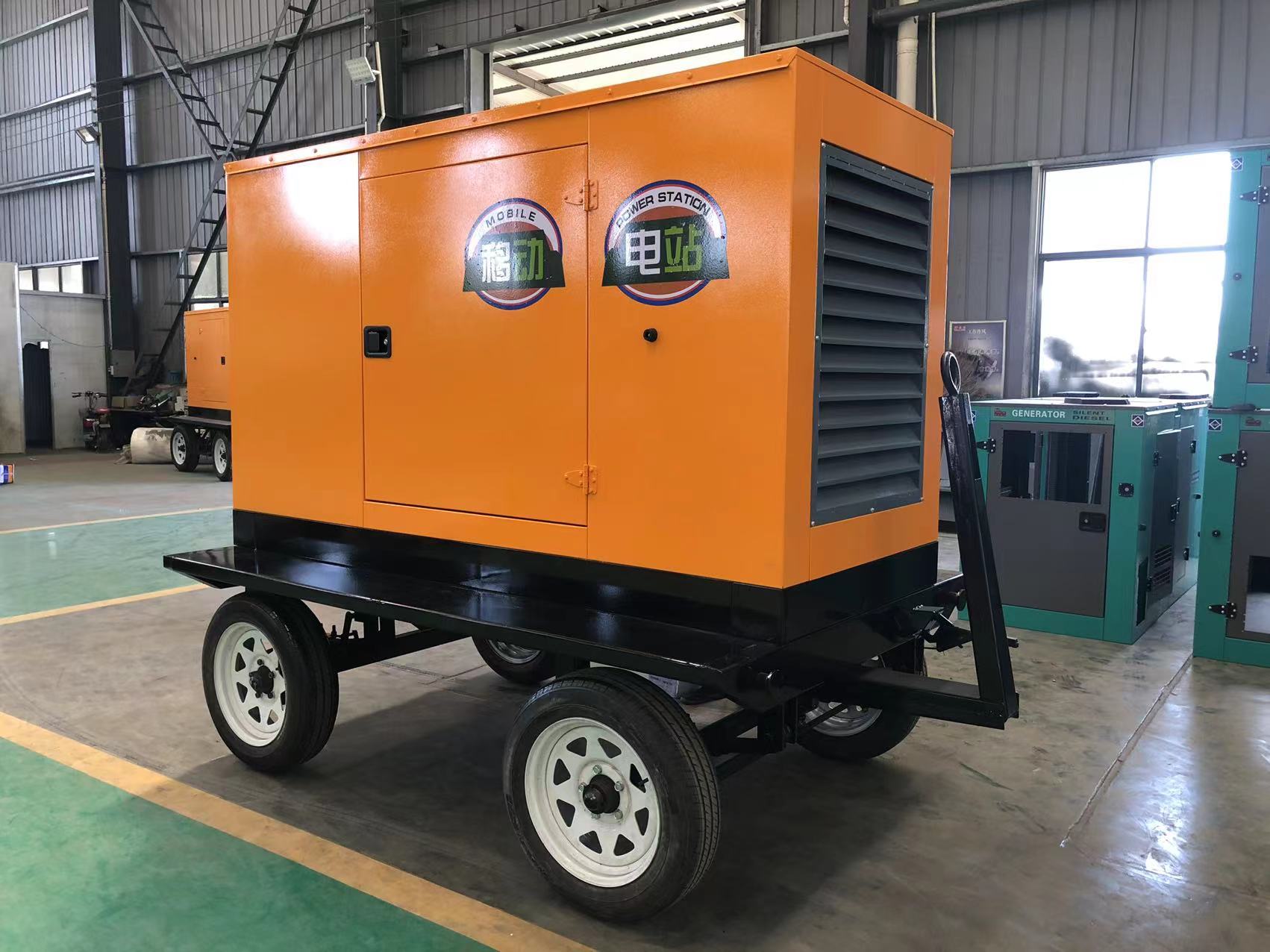
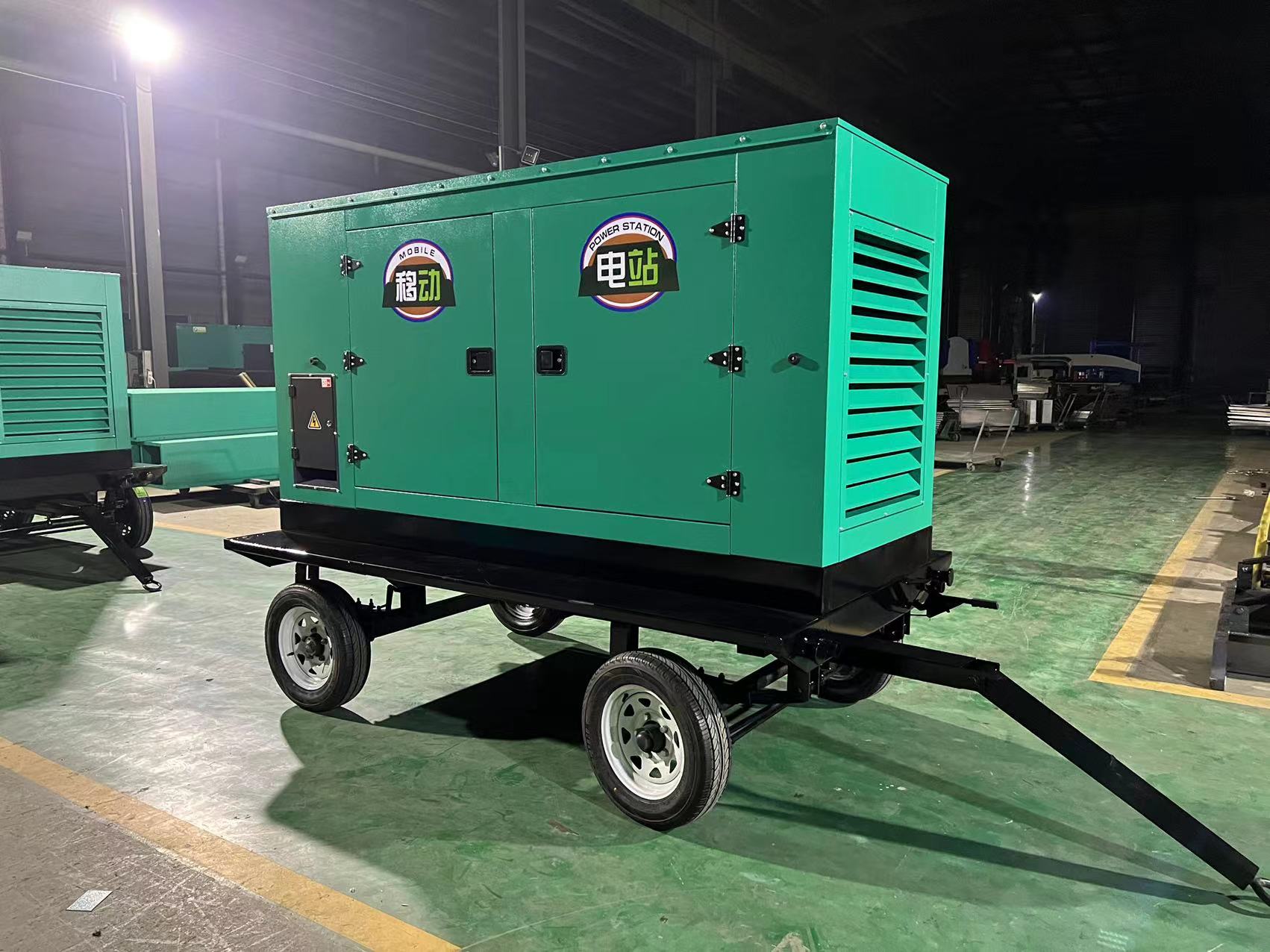
Attach sensors to the valve stems of each tire, ensuring a secure fit to prevent air leakage. The 200kVA trailer’s tandem-axle design (standard for this power class) requires sensors on all four tires (including the spare, if equipped). Tighten each sensor to 3-5 N·m torque to avoid damage to the valve stem.
Calibration & Integration
Connect the TPMS control unit to the generator’s diagnostic port (if available) or a standalone monitor. Follow Doosan’s calibration protocol: drive the trailer at 20–30 mph for 10 minutes to initialize sensor data. For models without a built-in diagnostic port, use a Bluetooth-enabled TPMS monitor to sync data with a mobile device via Doosan’s proprietary app (where supported).
View: Mobile Trailer Generator
Industry Trends & Compliance
The global mobile generator market, valued at $12.7 billion in 2024 (source: Grand View Research), is increasingly prioritizing integrated monitoring systems. Doosan’s 200kVA trailer models now ship with optional TPMS compatibility, reflecting industry moves toward predictive maintenance. Compliance with ISO 8528-9 (safety requirements for mobile power systems) mandates pressure monitoring for trailers transporting equipment over 100kVA, making TPMS setup a regulatory necessity in many regions.
Application-Specific Pressure Guidelines
Rough Terrain (Construction Sites): Maintain tire pressure at 80–90 psi (Doosan’s recommended range for 200kVA trailers) to maximize traction and absorb shocks.Highway Transport: Adjust to 100–110 psi to reduce rolling resistance and improve fuel efficiency.
Extreme Temperatures: In cold climates, check pressure after equipment has been stationary for 3+ hours (tire pressure drops ~1 psi per 10°F temperature decrease).
View: Doosan Generator
Proper tire pressure monitoring safeguards both the 200kVA Doosan Mobile Trailer Generator and its operators. By following these steps and adhering to Doosan’s maintenance standards, users can minimize downtime, reduce maintenance costs, and ensure compliance with safety regulations. For complex setups, contact Doosan’s authorized service network or a certified TPMS installer.
Actual performance and tire pressure requirements may vary based on trailer load, terrain, and environmental conditions. Always consult the generator’s operation manual for model-specific guidelines.
Stay Updated with Our News
Subscribe to our newsletter for the latest industry insights and product updates.