
Kay Cee Generators Pvt Ltd: Diesel Genset Guide
Kay Cee Generators Pvt Ltd: Diesel Genset Guide
If you searched for kay cee generators pvt ltd while looking for a diesel generator supplier, the product information available here does not verify that company’s identity, products, or relationship to the gensets described below. It does document eight diesel generator set (genset) models rated from 20 kW to 3,000 kW, all listed at 50 Hz. For a Philippines project, use the specifications as a shortlist—not as confirmation of supplier affiliation or local suitability—and request written confirmation of the required frequency, voltage, rating, configuration, and commercial terms before comparing offers.
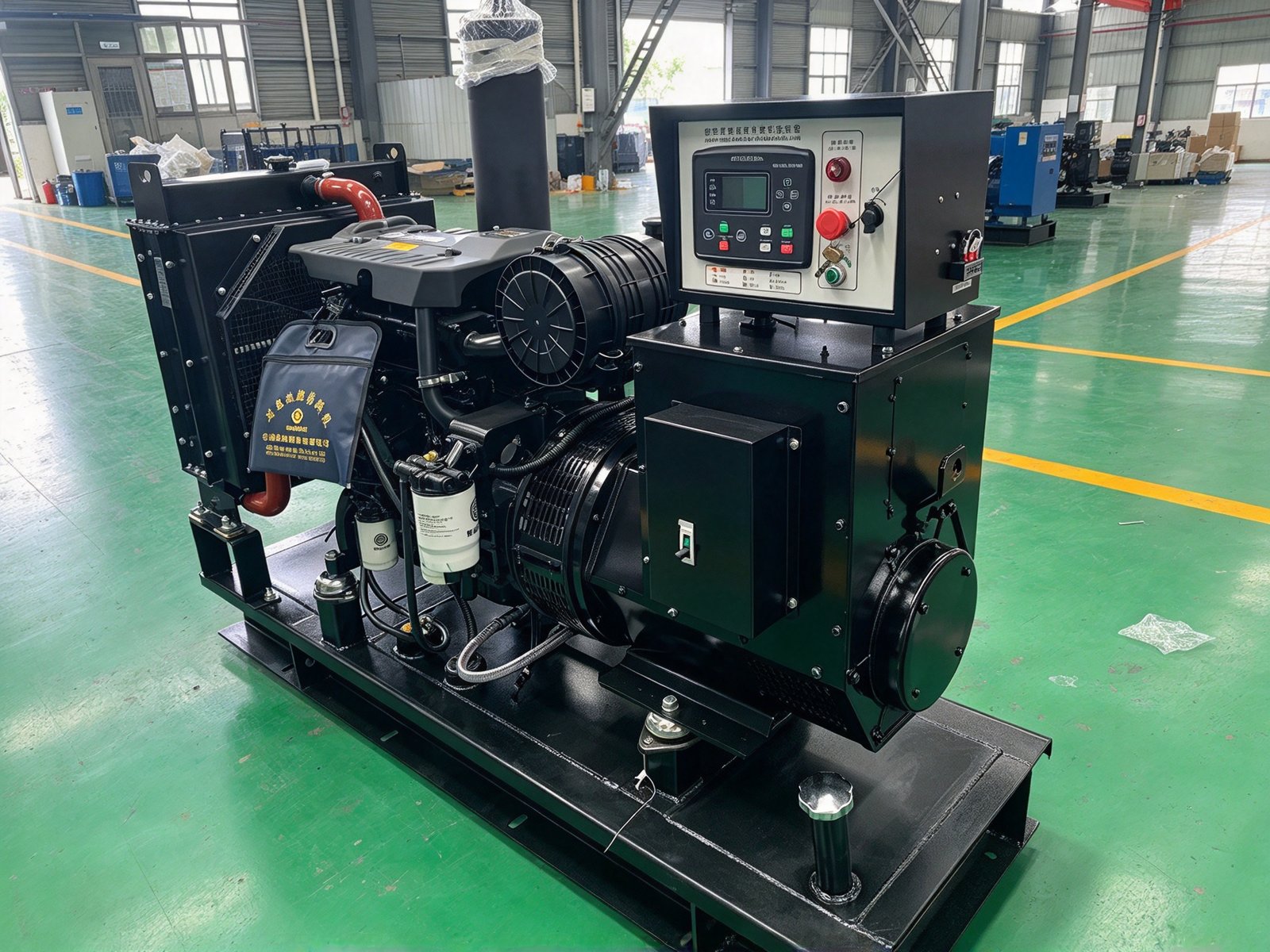
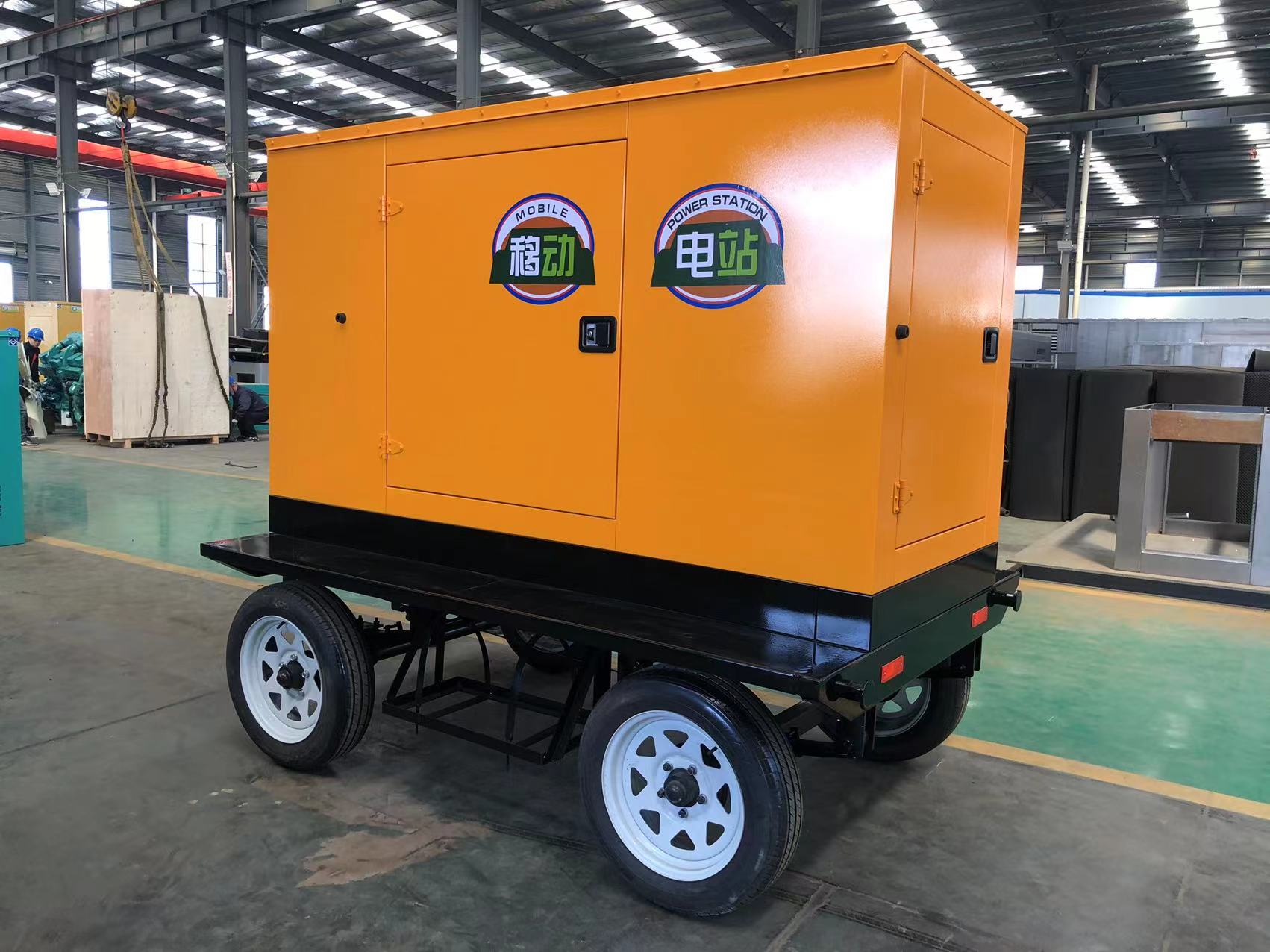
Illustrative generator photo; exact enclosure, frequency and configuration may differ from the model discussed.
Kay Cee Generators Pvt Ltd search: what buyers can verify
A company-name search and a generator specification are different parts of procurement due diligence. The product records below identify generator models, engine models, ratings, and electrical output; they do not confirm whether Kay Cee Generators Pvt Ltd is the manufacturer, an authorized distributor, or connected with these products. Confirm the legal seller and the party responsible for the quotation, equipment supply, documentation, and support directly with the prospective supplier.
For an RFQ, share the project location in the Philippines and ask the supplier to confirm—rather than assume—that the offered unit matches the site’s electrical and operating requirements. In particular, state the required frequency and voltage, whether the generator is for prime or standby use, the expected load profile, and any installation constraints. The models listed here are specified at 50 Hz; the available information does not establish 60 Hz options or suitability for a particular site.
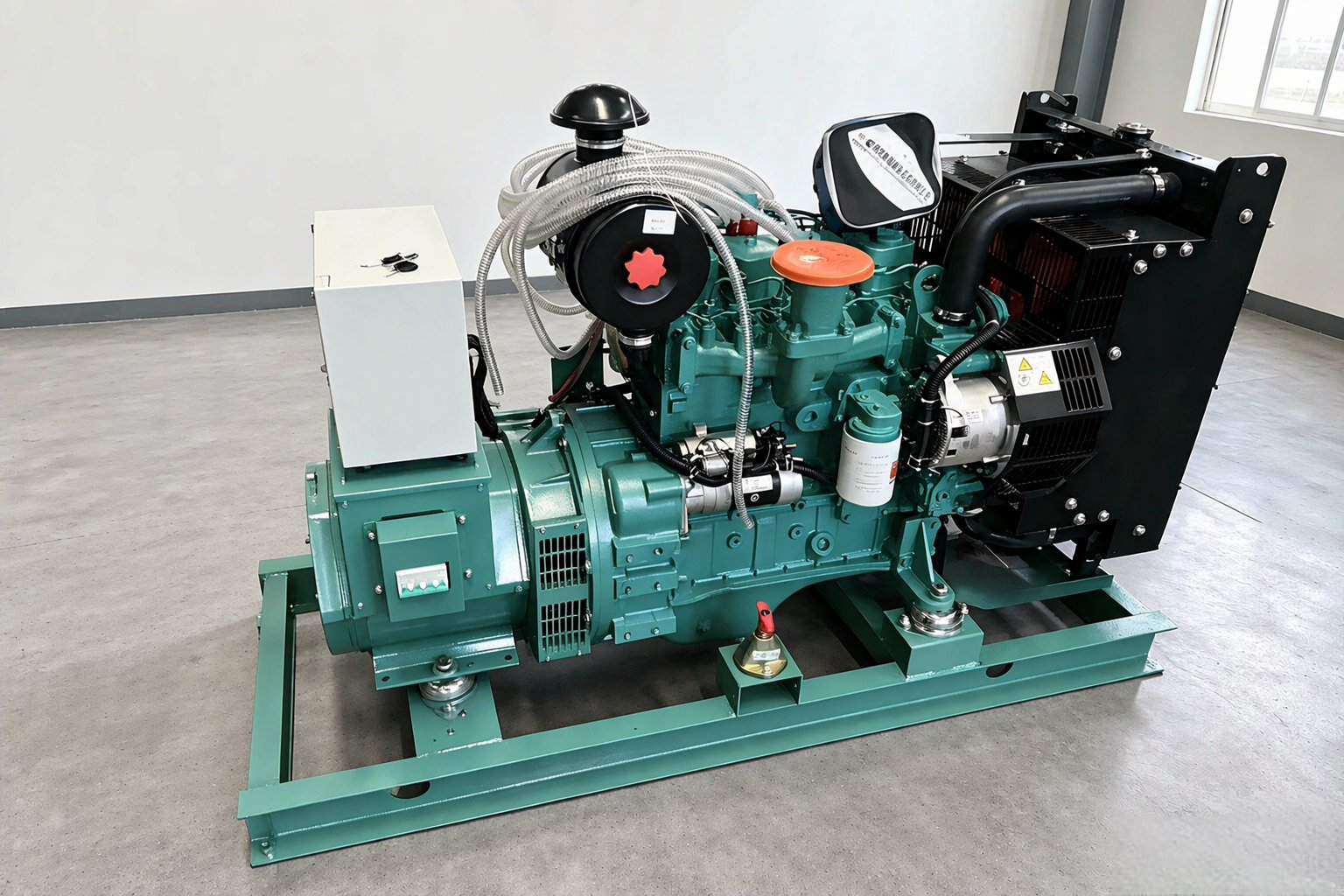
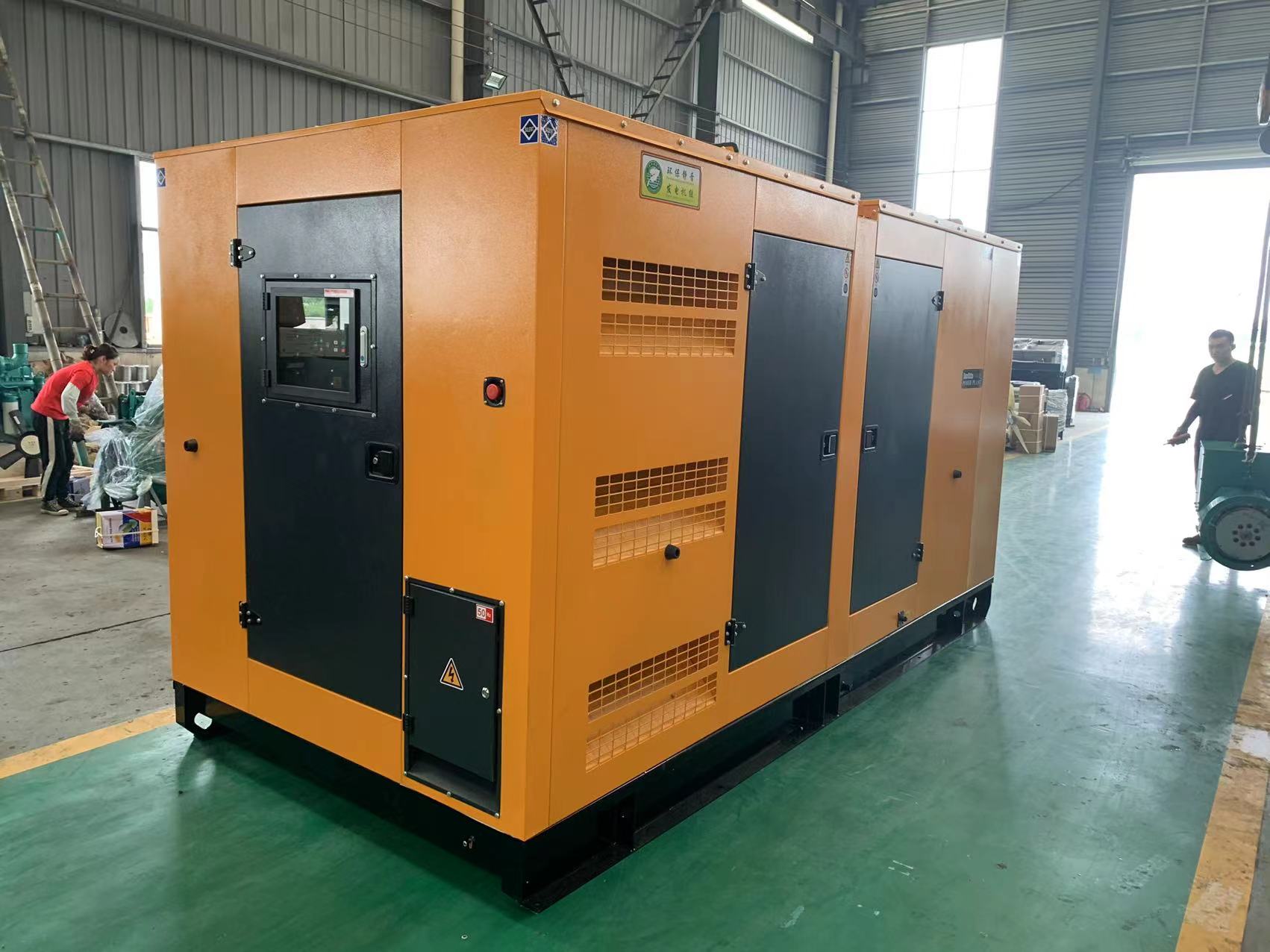
Illustrative generator photo; exact enclosure, frequency and configuration may differ from the model discussed.
Documented diesel genset options from 20 kW to 3,000 kW
These examples show the range of documented ratings. Prime and standby power are stated separately; do not treat the standby figure as the continuous operating rating. Confirm the applicable rating and operating conditions for the proposed duty with the supplier.
- KC-DC20G: 20 kW prime / 22 kW standby; 50 Hz; 400/230 V; 4B3.9-G1 diesel engine; mechanical governor. Listed emission level: China Stage II. (P1)
- KC-W64Y88: 64 kW prime / 70 kW standby; 50 Hz; 400/230 V; WP4.1D80E200 diesel engine; electronic governor. Listed emission level: China Stage II. (P2)
- KC-P160: 160 kW prime / 176 kW standby; 50 Hz; 230/400 V; 1106A-70TAG4 diesel engine. (P3)
- KCV-282GF: 282 kW prime / 310 kW standby; 50 Hz; 400/230 V; TAD1342GE-B diesel engine. Listed emission level: China Stage II. (P4)
- KC-450: 450 kW prime / 500 kW standby; 50 Hz; 400/230 V; KCV550 diesel engine. Listed emission level: China Stage II. (P5)
- KC-C650: 650 kW prime / 700 kW standby; 50 Hz; 400/230 V; KTA38-G2E diesel engine. Listed emission level: China Stage III. (P6)
- KC-S1118: 1,118 kW prime / 1,229.8 kW standby; 50 Hz; 400/230 V; 6WTAA35-G313 diesel engine. Listed emission level: China Stage III. (P7)
- KC-YC3000: 3,000 kW prime / 3,300 kW standby; 50 Hz; 380/220 V; YC16VC4900-D30 diesel engine. Listed emission level: China Stage III. (P8)
The available list provides several possible capacity points, but it is not a complete selection catalogue. It does not establish that every model is available in every configuration, or that any listed emission level satisfies a project’s local requirements. Ask for the current technical datasheet and written confirmation for the exact model and proposed configuration.
How to size a generator for a project
Start with a load schedule rather than choosing a genset from the largest connected load alone. Ask the project or facility team to identify the equipment that must operate at the same time, the loads that can be sequenced, and any expected changes in demand. Give the supplier the load list and ask them to document the proposed sizing basis. The product information does not include project-specific load calculations or a recommended sizing margin, so those should be established for the application.
For motors or other loads with starting demand, identify the starting method and which loads may start together. Request confirmation that the proposed generator can handle the actual operating and starting profile. Do not infer this from the kW rating alone: the available model records do not provide project-specific motor-starting capacity or an application load assessment.
Check the output details alongside capacity. Most of the listed models show 400/230 V, while the KC-P160 lists 230/400 V and the KC-YC3000 lists 380/220 V. Each listed model is 50 Hz. Confirm the project’s required voltage, frequency, phase arrangement, and connection with the electrical designer and supplier before placing an order. Do not assume a 50 Hz product will match a project that specifies another frequency, or that a voltage notation is interchangeable without review.
Prime or standby: clarify the duty before comparing offers
Prime power and standby power are not interchangeable labels. The documented models show a lower prime rating and a higher standby rating—for example, 64/70 kW for the KC-W64Y88 and 650/700 kW for the KC-C650. When requesting a quotation, state whether the genset is intended for prime operation or standby use, and ask the supplier to identify which rating applies to the intended operating profile.
Also request the supplier’s written explanation of operating limits, permitted running hours, maintenance requirements, and any conditions attached to the stated ratings. These details are not specified in the product information here. Do not base a purchase decision on the higher standby number unless the supplier confirms that it is appropriate for the project’s duty.
Installation, emissions, and operating details to confirm
Compare the intended installation site with the offered unit’s physical and electrical details. Several model records include dimensions, weight, output current, and other technical data. For example, the KC-DC20G is listed at 750 kg, with dimensions of 1700 × 750 × 1100 mm; the KC-C650 is listed at 7,500 kg, with dimensions of 4300 × 1700 × 2450 mm. Confirm the exact datasheet dimensions and lifting, access, foundation, and clearance requirements before finalizing the layout; those installation requirements are not provided here.
The listed emission classifications are China Stage II or China Stage III for certain models. These labels should not be treated as proof of compliance with any Philippine project, permitting, or site requirement. Ask the supplier for the emissions documentation relevant to the exact engine and destination, and have the project’s responsible parties confirm applicable requirements.
The records also list different governor types and engine configurations. For instance, the KC-DC20G has a mechanical governor, while the KC-W64Y88 lists an electronic governor. These are specification details for comparison, not a complete assessment of suitability. Ask for the full datasheet, control-panel details, protection functions, fuel-system information, and any required accessories for the proposed configuration.
Build a clear RFQ for Philippines procurement
A useful request for quotation gives bidders the same technical basis. Include the following information, where available:
- Required prime or standby duty and the expected operating profile.
- A load schedule, including which loads operate together and any motor starting requirements.
- Required frequency, voltage, phase, and connection arrangement, confirmed by the project’s electrical team.
- Site location and installation constraints, including access and available space.
- Required emissions documents and any project-specific technical or approval requirements.
- Requested configuration and documentation, plus the information needed for installation and maintenance planning.
- Confirmation of the seller’s legal identity, the exact offered model, and the terms of the quotation.
Ask each supplier to return the selected model, prime and standby ratings, frequency, voltage, engine model, dimensions, weight, and any deviations from the RFQ in writing. The records provided do not state prices, warranty, delivery, export arrangements, local service coverage, or 60 Hz availability. Request these details directly and compare them as commercial and technical terms, not as assumptions.
Next step: request a model-specific proposal
If one of the documented capacity points may fit your project, send the supplier your load schedule, required electrical output, intended duty, site conditions, and documentation needs. Request a current datasheet and a written proposal for the exact configuration. Ask the supplier to confirm whether the proposed product is connected to the company named in your search, and to provide the evidence and commercial details needed for your procurement process. This keeps the search for kay cee generators pvt ltd separate from the technical decision about which genset, if any, meets the project requirement.
FAQ
Why might a diesel generator produce black smoke?
Black smoke indicates incomplete combustion. Possible causes include a clogged air filter restricting intake, excessive fuel injection, poor injector atomization, a sudden excessive load, or poor-quality diesel. Check or clean the air filter, use good-quality diesel, inspect the fuel injection system, and avoid prolonged operation under excessive load.
What should I check if a generator shuts down and will not restart?
First review the controller’s fault history. If an overspeed, high-temperature, or low-oil-pressure protection has activated, reset the protection manually after addressing the cause. If there is no fault code, check the battery and fuel system.
How often should a generator receive routine maintenance?
The stated schedule is an initial service at 50 hours, including oil, oil-filter, and fuel-filter changes. Routine service is every 200–250 hours: change the oil and three filters; check the belt, coolant, battery, piping, and fasteners; and clean the air filter and radiator. A full-machine inspection is recommended annually.
What can cause a high-temperature alarm or shutdown?
Check the coolant level, radiator blockage, fan speed, thermostat, and water-pump operation. Clean the radiator cooling system and address blockage or restricted coolant circulation.
Why might a brushless generator have no voltage after being stopped for a while?
Loss of residual magnetism may cause no voltage output. Magnetization can restore it. Windings may lose magnetism more readily in damp conditions, so keep the generator room dry.
Stay Updated with Our News
Subscribe to our newsletter for the latest industry insights and product updates.