
Genset Selection Guide for Russian Projects
Genset Selection Guide for Russian Projects
A genset for a Russian project should be selected around the actual load, required duty, and site conditions—not by headline kilowatts alone. Kaichen’s listed diesel range includes models from 20 kW prime power to 3,000 kW prime power, with different engine configurations. The available product records do not specify voltage or frequency for these models, so buyers should confirm the required electrical output and the exact configuration before requesting a quotation.
For procurement managers, distributors, EPC contractors, and facility engineers, the first useful step is to define the application: continuous or routine operating duty, emergency standby, or a mobile power requirement. Then prepare a load schedule, intended operating profile, site and installation details, and electrical requirements. This gives the supplier a basis to recommend a suitable rating and confirm the configuration in writing.
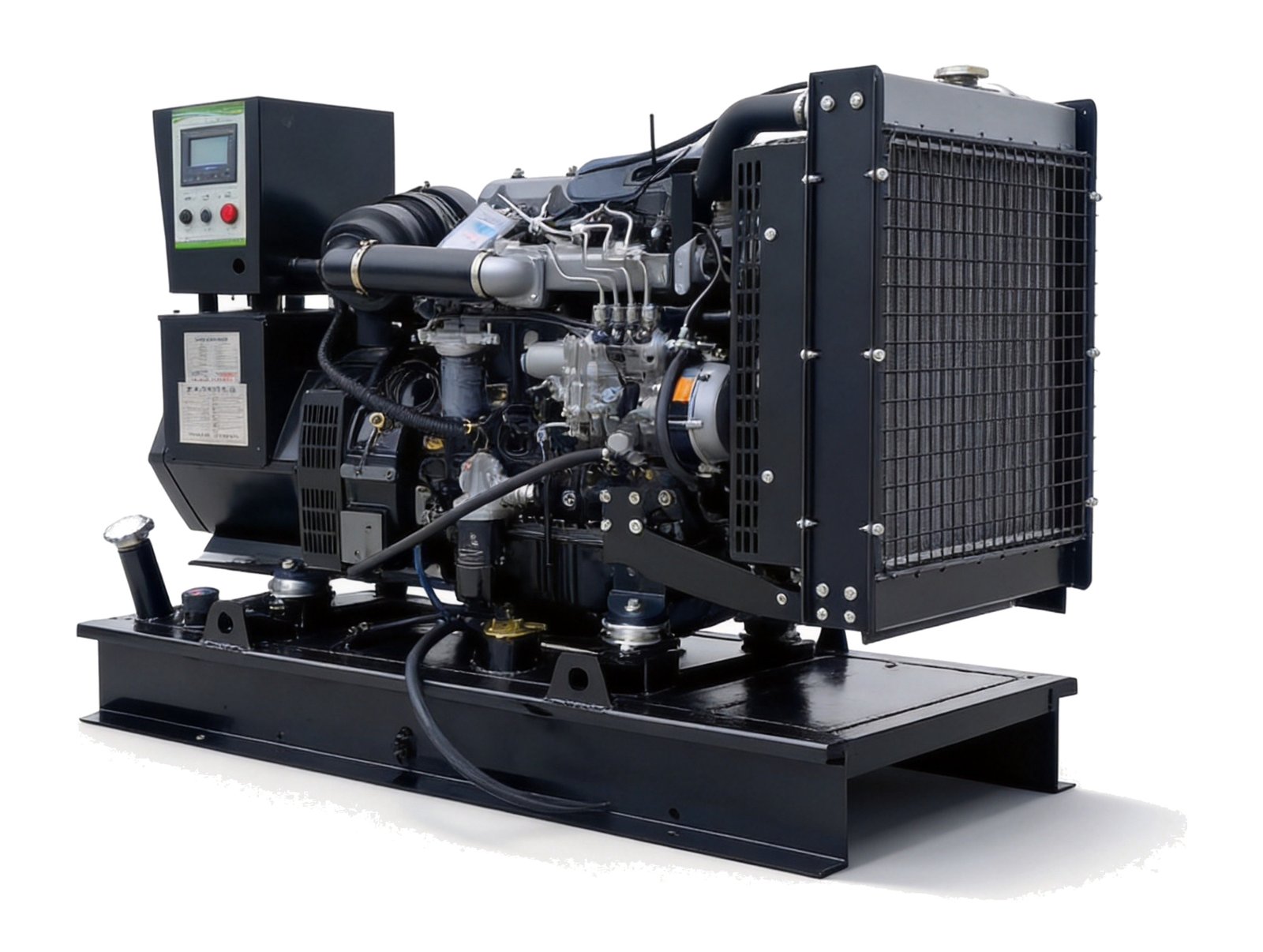
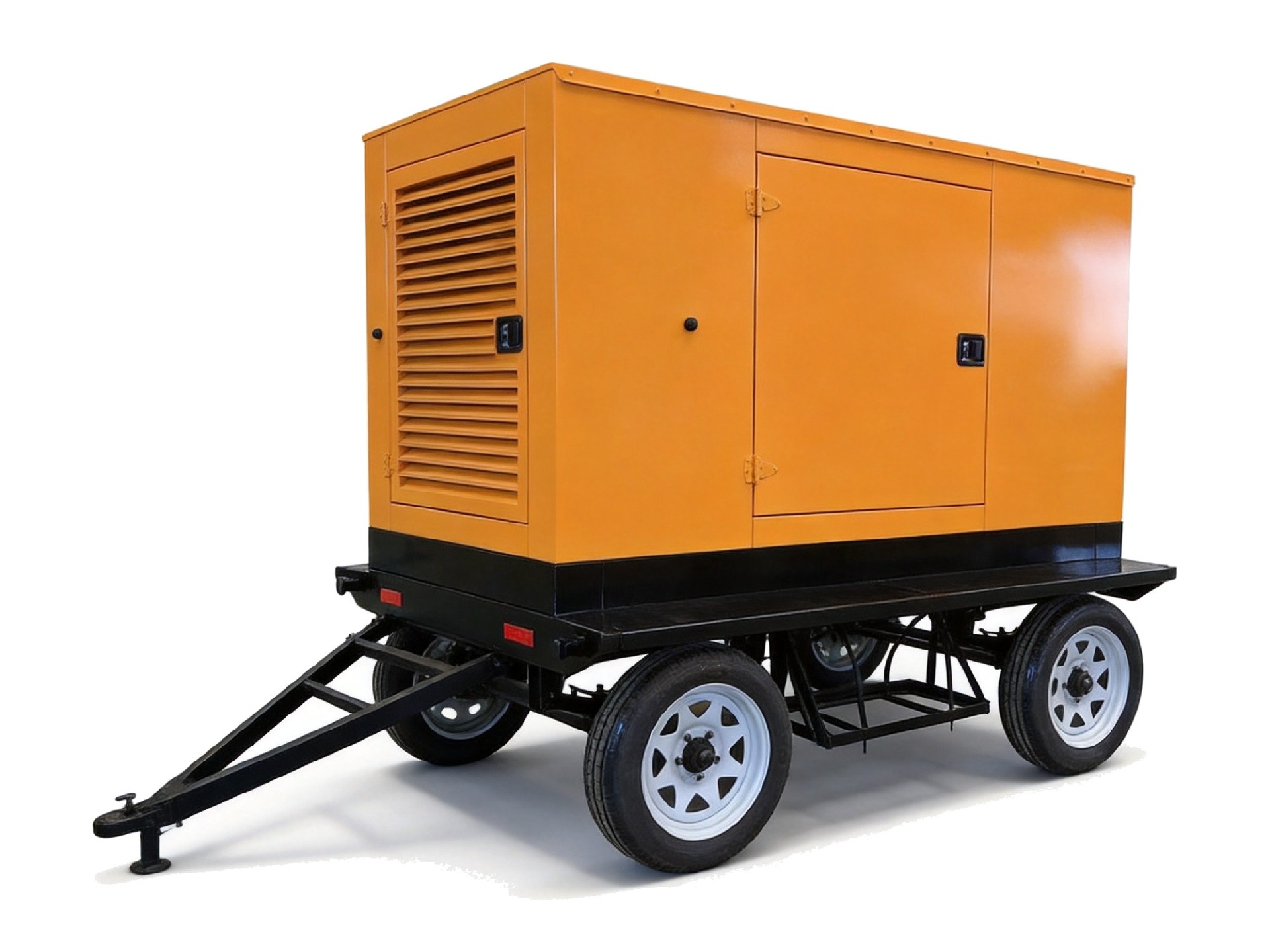
Illustrative generator photo; exact enclosure, frequency and configuration may differ from the model discussed.
How to compare genset ratings and configurations
The product specifications below show both prime and standby ratings. Compare the rating that matches the project’s intended duty, and ask the supplier to confirm which rating applies to the proposed operating profile. Do not assume that the standby figure is the correct basis for routine operation. A quotation should clearly identify the selected model, rating, engine configuration, and electrical output.
Listed examples include:
- KC-S20: 20 kW / 25 kVA prime power and 22.0 kW / 27.5 kVA standby power. This SDEC diesel model has a 4-cylinder, 3.0 L engine specification, fuel consumption of 200 g/kWh, dimensions of 1400×650×1100 mm, and weight of 480 kg. Nine configurations are indicated as available; the listed engine models are alternatives, not one combined engine.
- KC-P72.7: 72.7 kW / 90.9 kVA prime power and 80.0 kW / 100.0 kVA standby power. It is listed with a Perkins 1104D-E44TAG1 engine, 4 cylinders, 4.4 L displacement, fuel consumption of 208 g/kWh, dimensions of 1900×800×1200 mm, and weight of 1200 kg.
- KC-D160: 160 kW / 200 kVA prime power and 176.0 kW / 220 kVA standby power. Its listed engine is the Kaichen KCD8H217-G3, with 6 cylinders and 8.27 L displacement. The stated fuel consumption is 215 g/kWh; dimensions are 2400×950×1380 mm and weight is 2000 kg.
- KC-C280-D: 280 kW / 350 kVA prime power and 308.0 kW / 385 kVA standby power. The listed engine is a Dongfeng Cummins QSZ10-G12, with 6 cylinders and 9.9 L displacement. Fuel consumption is 200 g/kWh; dimensions are 2900×1200×1820 mm and weight is 3000 kg.
- KC-SG400: 400 kW / 500 kVA prime power and 440.0 kW / 550 kVA standby power. It is listed with a Scania DC13 507A 500 engine, 6 cylinders, 12.7 L displacement, fuel consumption of 192 g/kWh, dimensions of 3150×1300×1800 mm, and weight of 2720 kg.
- KC-SG580: 580 kW / 725 kVA prime power and 638.0 kW / 797.5 kVA standby power. Its listed Scania DC16 078A 02-44 engine has 6 cylinders and 16.4 L displacement. Fuel consumption is 192 g/kWh; dimensions are 3300×1300×2000 mm and weight is 5080 kg.
These figures belong to the respective listed configurations. They should not be transferred to another model or used as a substitute for a project-specific quotation and drawing.
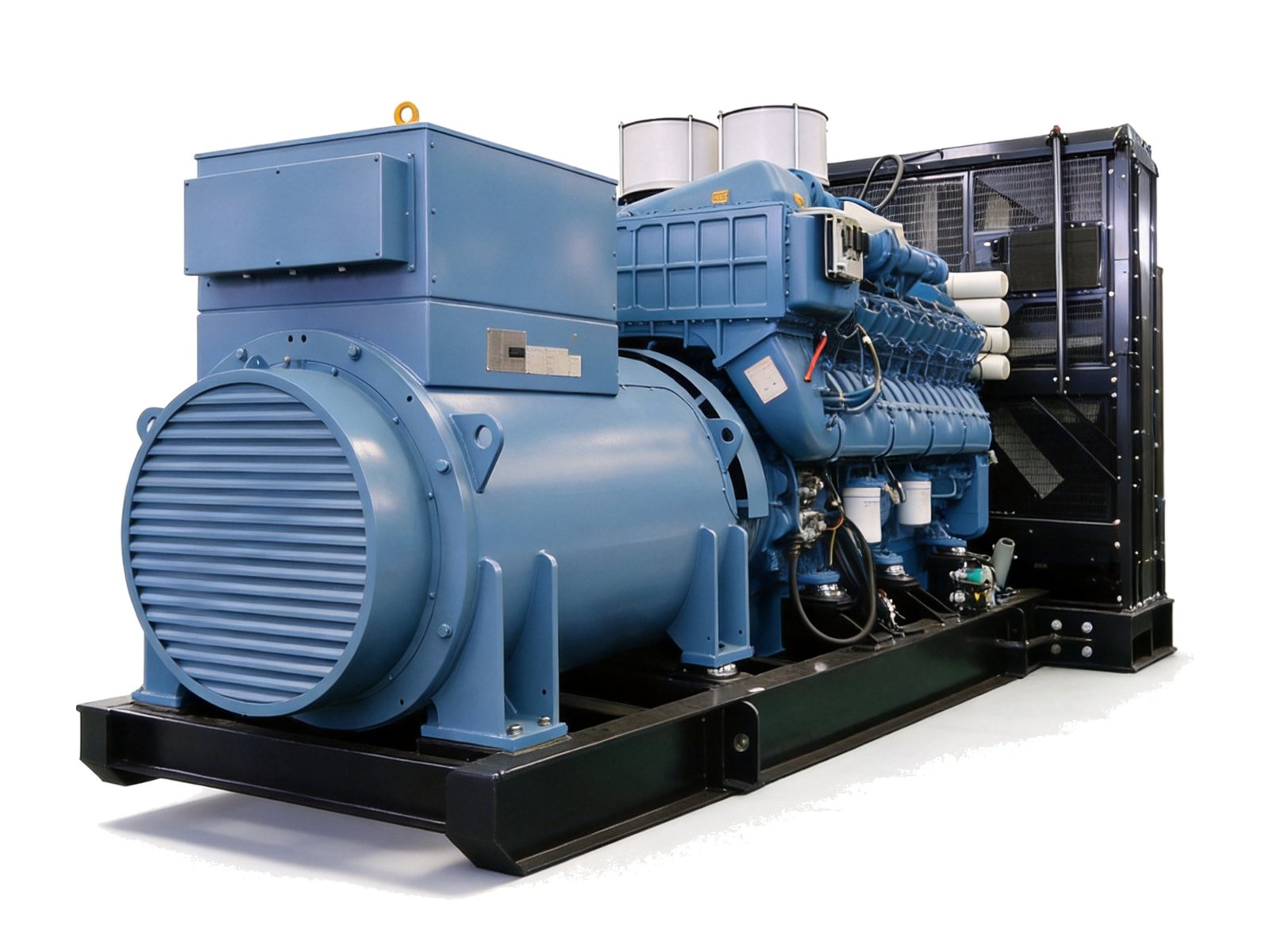
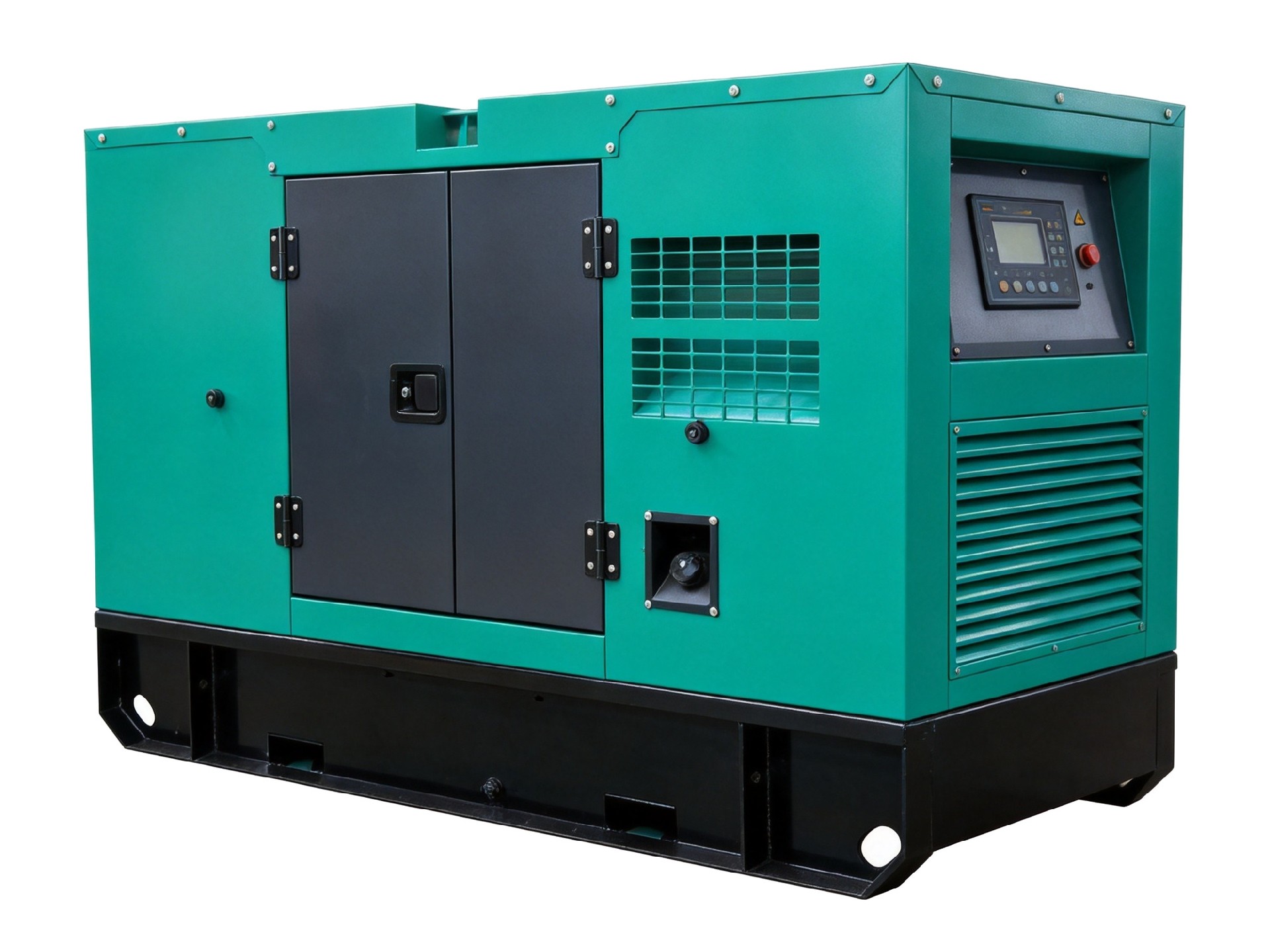
Illustrative generator photo; exact enclosure, frequency and configuration may differ from the model discussed.
Size the genset around the real load
Start with a load schedule that separates essential loads from non-essential ones. Record each load’s rated power, operating pattern, and any starting or transient demand known to the project team. Identify equipment that may operate simultaneously, and tell the supplier which loads must remain supplied during an outage or power interruption. The supplier can then review the load profile against the proposed genset rating; procurement should request the assumptions and selected rating in writing.
For facilities with more than one operating scenario, share each scenario rather than submitting only a single total. A facility engineer may need to distinguish normal operation from emergency operation, while an EPC contractor may need to align the genset package with a wider electrical design. Distributors can use the same information to avoid quoting a model based on an unclear or incomplete load estimate.
The available range provides reference points across several power levels. For example, KC-S20 is listed at 20 kW prime power, KC-P72.7 at 72.7 kW, KC-C280-D at 280 kW, and KC-Y3000 at 3,000 kW. These are model ratings, not a recommendation for a particular building, industrial process, or project. The right choice depends on the buyer’s duty requirement and confirmed load conditions.
Confirm frequency, voltage, and site requirements
Frequency and voltage are not specified in the individual product records shown here. The company document states that 50 Hz / 60 Hz and multiple voltage specifications are supported for export, but that does not identify the available output for any particular model. Russian-market buyers should therefore state their required frequency, voltage, phase arrangement, and connection details in the inquiry, then request confirmation for the exact quoted configuration.
Also provide the installation location and site conditions that could affect the package specification. Relevant project details may include available floor or pad space, access for delivery and placement, indoor or outdoor installation, ventilation arrangements, and ambient conditions. Do not assume that a standard product dimension or enclosure style will meet the site needs; ask for the proposed outline drawing and configuration details for review.
The listed product dimensions and weights can help with early space and logistics planning, but they are not a full installation or transport plan. For instance, KC-S20 is listed at 1400×650×1100 mm and 480 kg, whereas KC-C280-D is listed at 2900×1200×1820 mm and 3000 kg. Obtain the drawing and shipping or handling information for the exact package under consideration before finalizing access, lifting, or foundation arrangements.
Consider the application and package type
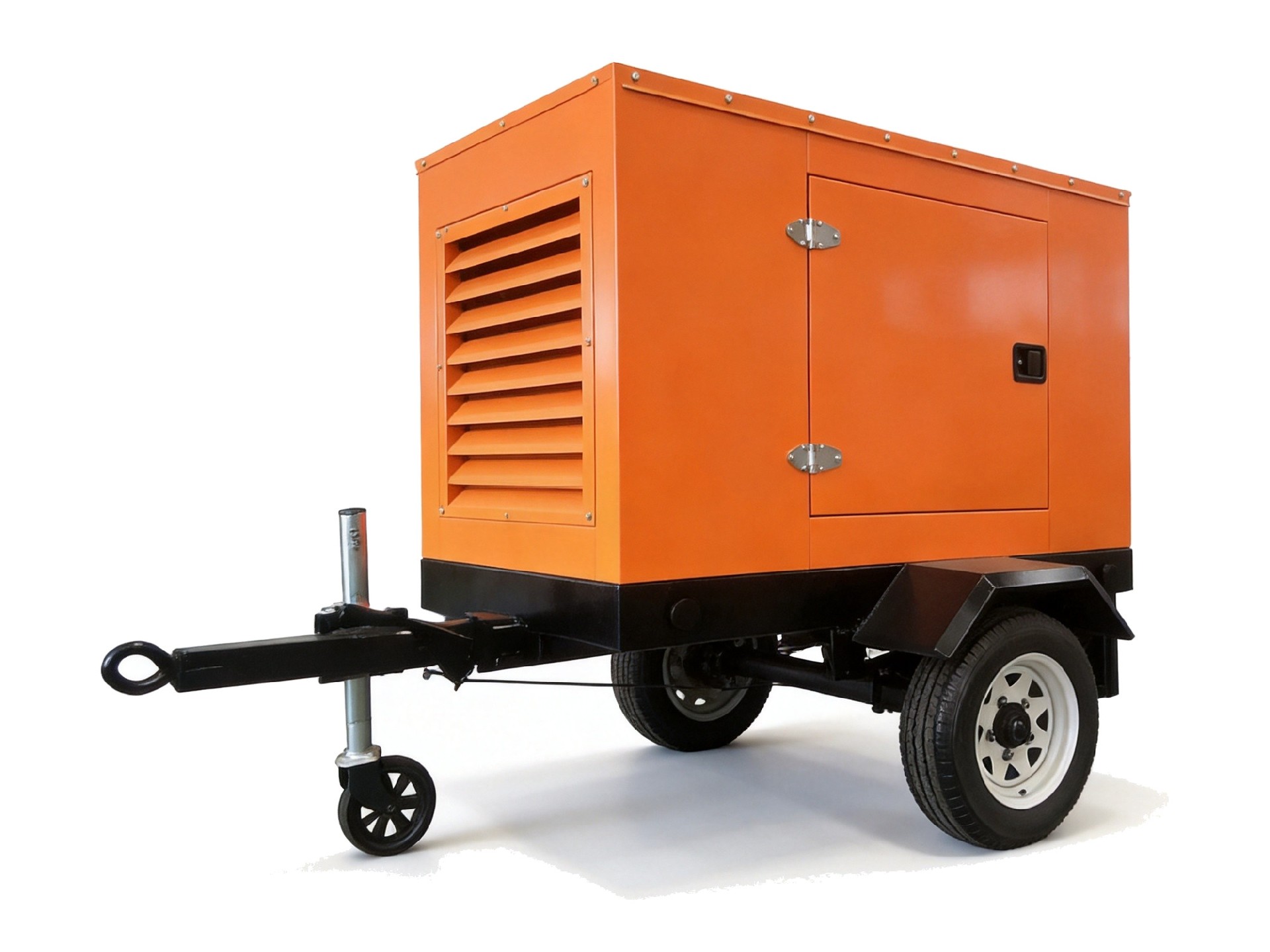
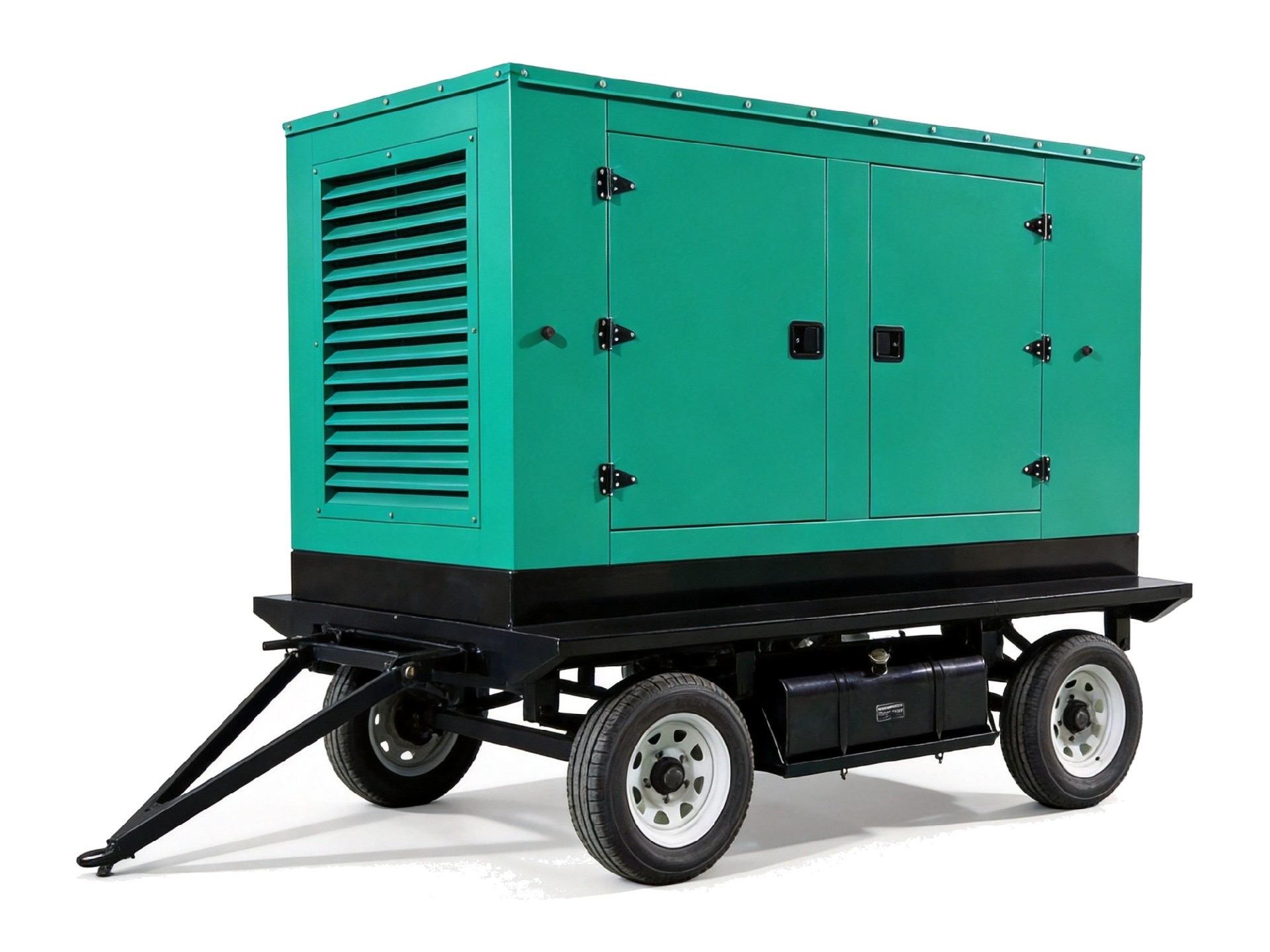
Kaichen’s company document describes products in open-frame, soundproof, mobile trailer, containerized, ATS automatic-transfer, and parallel configurations. These are package categories rather than confirmed features of every model listed above. If a project requires an enclosure, automatic transfer, a mobile installation, or parallel operation, name that requirement explicitly and ask which models and options are available together.
The product range also includes a mobile power vehicle reference, KC-BDY1000, listed at 1,000 kW / 1,250 kVA prime power and 1,100 kW / 1,375 kVA standby power. Its record lists dimensions of 11985×2550×3985 mm and an engine-generator configuration described as Yuchai YC6C1660-D31 plus Leroy-Somer PMG 1000 kW. Treat this as a distinct mobile power vehicle configuration, not as a specification that applies to stationary gensets.
At the high-capacity end, KC-Y3000 is listed at 3,000 kW / 3,750 kVA prime power and 3,300 kW / 4,125 kVA standby power. The engine models shown—YC16VC4900-D30 and YCC105TA4900-G30—are alternatives for the stated multiple configurations, not a single combined engine. Its listed dimensions are 7000×2800×3400 mm and weight is 22,000 kg. For a project at this scale, request the exact configuration, interface information, and package drawings as part of the technical review.
Ask for evidence that supports acceptance
Before placing an order, agree on the documents and checks required for the project’s technical approval and receiving process. The company document describes a four-stage factory load test at 20%, 50%, 75%, and 100% load, with test video records. Buyers can request the test evidence for the quoted unit and confirm which project-specific records will be supplied. The same document describes production of control cabinets and ATS and parallel-control equipment; confirm the exact scope included in the offer rather than assuming those items are standard.
A useful procurement comparison should identify the model and engine option, prime and standby ratings, voltage and frequency, package type, dimensions, weight, control and switching scope, and any required drawings or test documents. For Russia-bound projects, also ask the supplier to confirm the documents, export packaging, delivery scope, and any local approval requirements that apply to the buyer’s project. These details are not established for a particular shipment or site by the product specifications alone.
Prepare a complete inquiry
To receive a technically useful quotation, send the project location, application, load schedule, required duty, target prime or standby rating, voltage, frequency, installation arrangement, and preferred package type. Include any requirements for automatic transfer, parallel operation, documentation, inspection, or delivery scope. Ask the supplier to identify the proposed model and engine configuration, confirm all missing electrical values, and provide the relevant outline drawing and commercial terms.
Kaichen’s product records cover diesel gensets from small ratings through large industrial capacities, as well as a mobile power vehicle reference. The best starting point is not a model name alone, but a clear statement of load and operating needs. Send your load schedule and site requirements to request a model recommendation and a written quotation for your Russia project.
FAQ
What should I check if a genset shuts down and will not restart?
Check the controller’s fault history first. If protection for overspeed, high temperature, or low oil pressure has been triggered, reset the protection manually after addressing the cause. If there is no fault code, check the battery and fuel system.
Why might a brushless alternator have no voltage output after being idle?
Loss of residual magnetism can cause this condition; magnetization may restore output. In damp environments, protect the machine from moisture because windings can lose magnetism more easily.
What should I do if the genset reports high water temperature?
Reduce the load and let the engine run at idle while it cools, then stop it. Check coolant level, radiator blockage or dust, fan-belt tension, thermostat, water pump, and room ventilation. Do not add cold water while the system is hot; wait for it to cool before topping up.
What routine maintenance practices are recommended?
Keep the room ventilated and dry, check oil, water, and electrical systems regularly, avoid prolonged overload, and run the genset periodically. The guidance recommends a 5–10 minute weekly no-load test for standby units and, ideally, a monthly load test.
What can cause black smoke from a diesel genset?
Possible causes include a clogged air filter and restricted intake, poor injector atomization or carbon buildup, overload, poor fuel quality, or a turbocharger fault. Reduce the load, clean or replace the air filter, and have the injectors checked.
Stay Updated with Our News
Subscribe to our newsletter for the latest industry insights and product updates.