
Gensets: How to Select the Right Diesel Generator Set
Gensets: How to Select the Right Diesel Generator Set
Gensets are selected by matching their rated output and configuration to the loads, operating duty and installation conditions of a project. For procurement teams in Saudi Arabia, the first step is to define the required prime or standby rating, then confirm the exact voltage, frequency, engine configuration and site requirements before comparing quotations. The diesel models below provide reference points from 20 kW to 3,000 kW prime power; the listed specifications do not include voltage or frequency, so those values must be confirmed for the requested configuration.
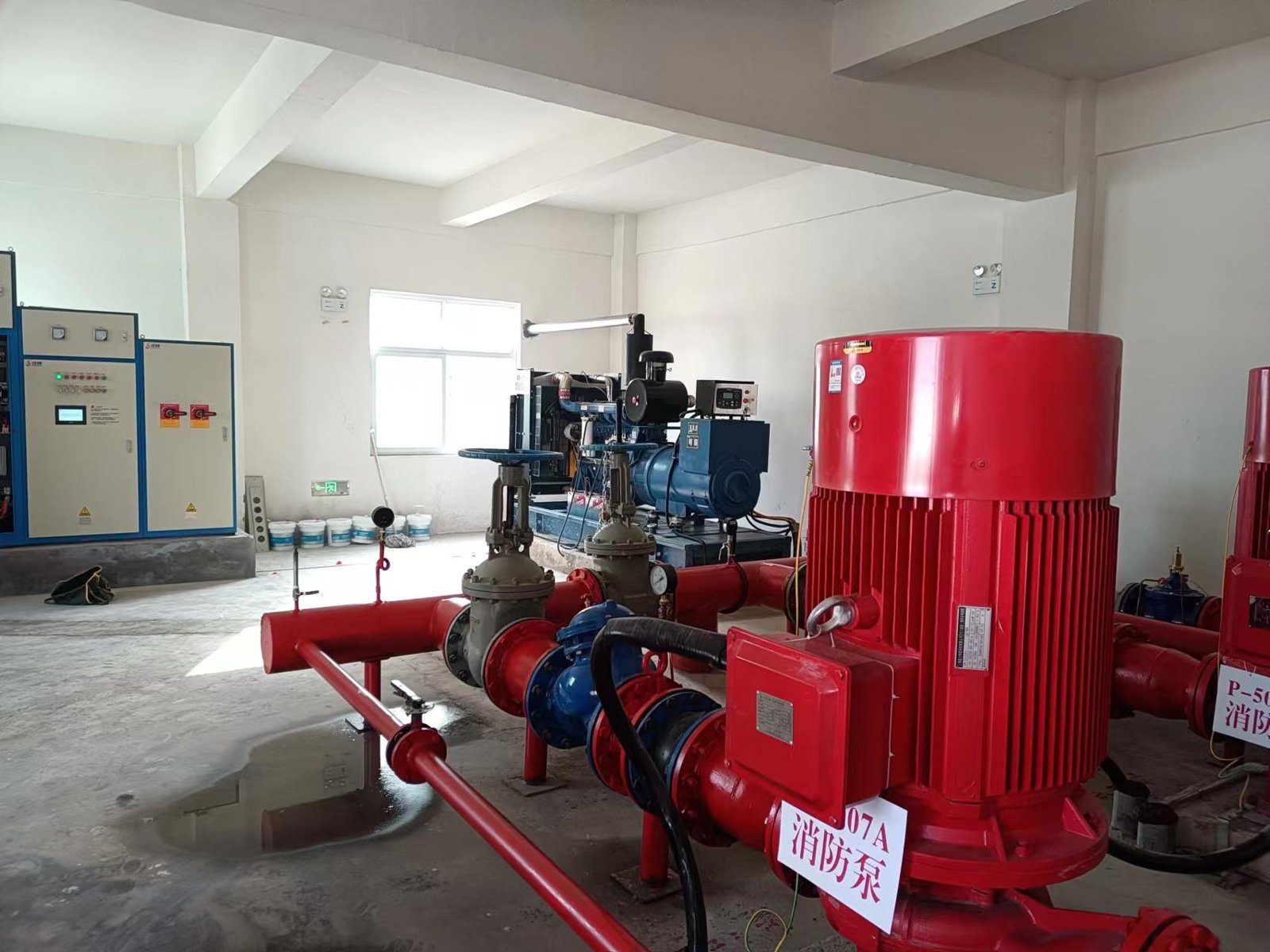
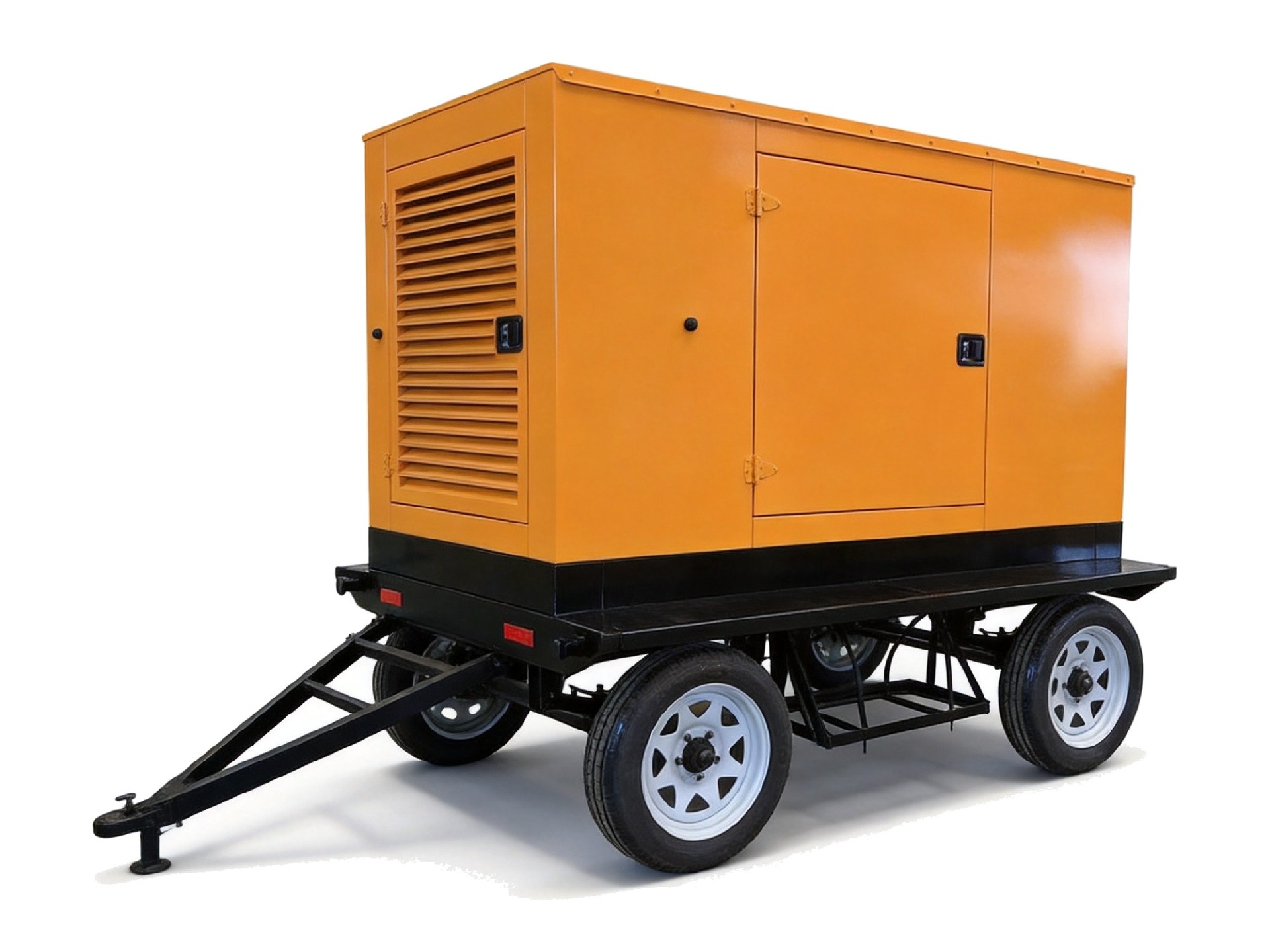
Illustrative generator photo; exact enclosure, frequency and configuration may differ from the model discussed.
How to compare gensets for a project
A generator set quote is useful only when it describes the duty and electrical configuration the project actually needs. Before asking suppliers to recommend a model, assemble a load schedule and clarify these points:
- Required output: Record both kW and kVA where available, and identify the rating category required by the project: prime power or standby power. Do not treat the two ratings as interchangeable. Match the selected rating to the intended operating duty and have the supplier confirm the proposed model against the project specification.
- Load profile: List the equipment that will operate together, expected demand, and any loads with significant starting or changing requirements. Include planned capacity changes where relevant. A generator sized only against a rough total can be a poor fit for the actual operating profile.
- Electrical configuration: Specify required frequency and voltage, along with any other project-specific electrical details. These values are not provided for the models listed in this article. Ask for written confirmation of the exact offered configuration rather than inferring it from the model name or engine brand.
- Installation and site: Share the available room or equipment footprint, access and lifting constraints, and the conditions in which the set will operate. Confirm the selected configuration’s dimensions and weight: model listings should not be assumed to cover every engine or equipment option.
- Fuel and operation: Treat fuel-consumption figures as the supplied unit, g/kWh. They are not a direct statement of litres per hour for a particular load. Ask the supplier for the fuel information relevant to the proposed operating points if it is needed for budgeting.
- Project documentation: Identify required submittals, inspections, acceptance tests, controls, and any local approvals that apply to the project. Confirm these with the project team and supplier; do not assume a model listing establishes compliance.
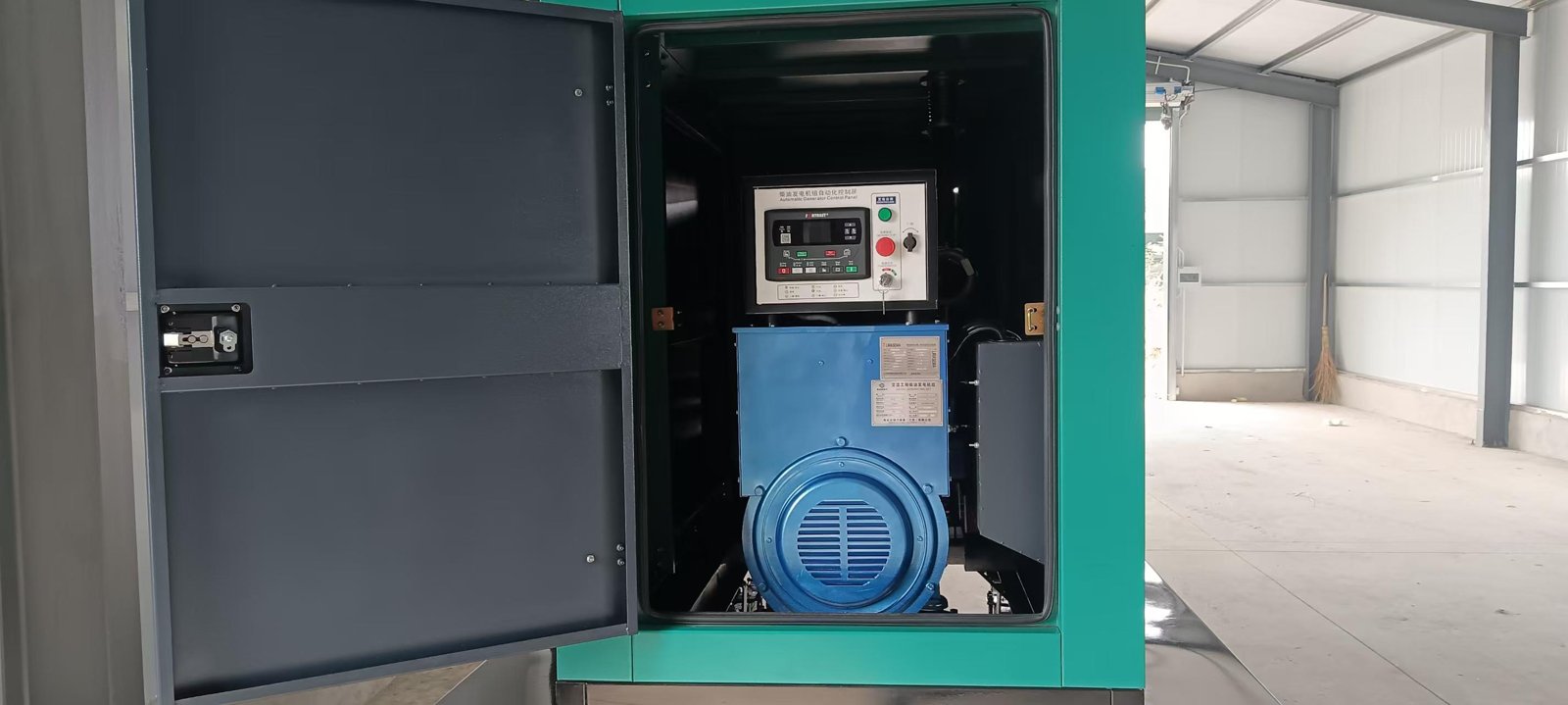
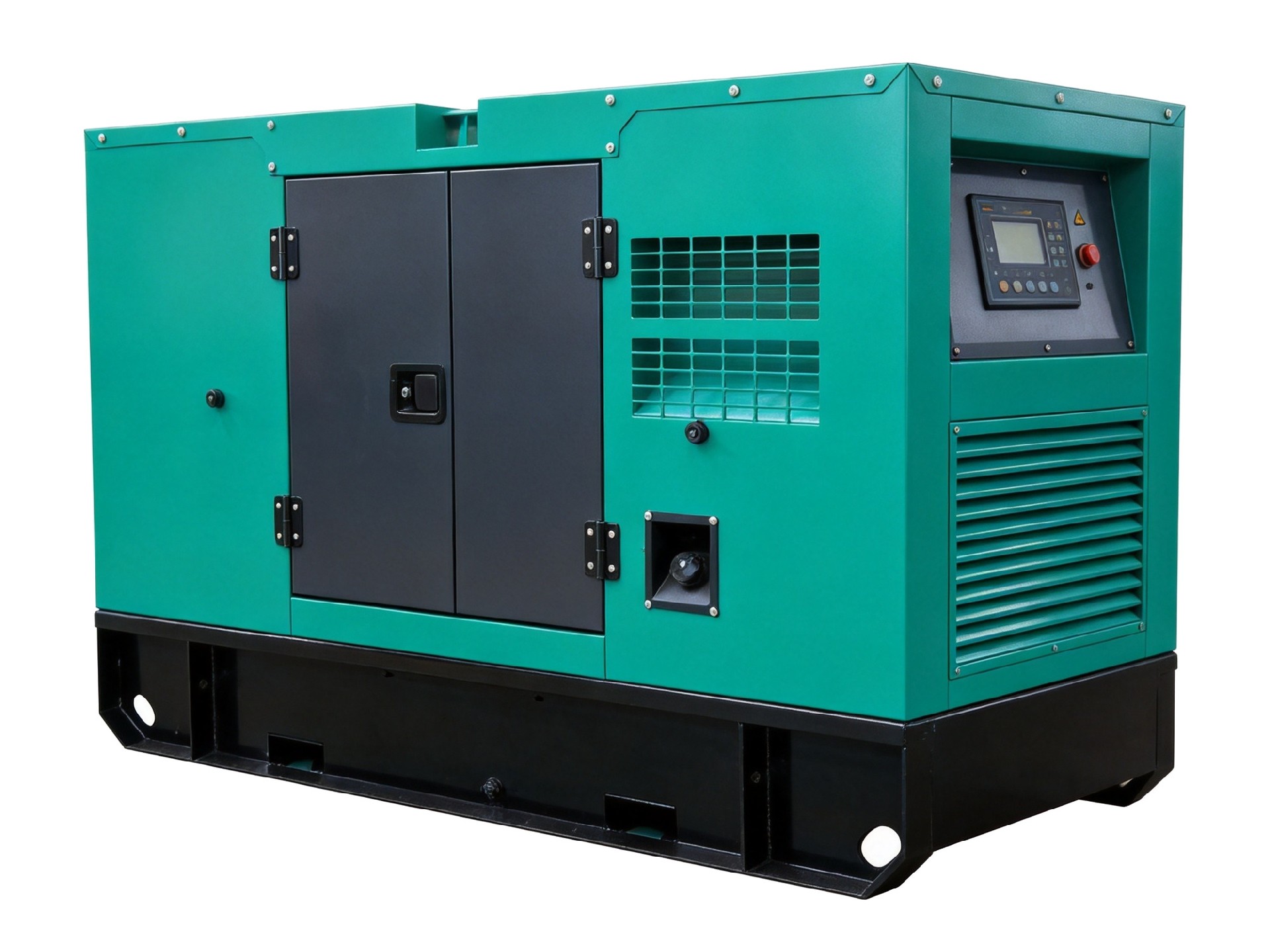
Illustrative generator photo; exact enclosure, frequency and configuration may differ from the model discussed.
Prime power versus standby power
The product data gives separate prime and standby values in kW and kVA. Use the rating stated in the project specification as the starting point, and ask the supplier to confirm that the intended duty is covered by the offered rating. For example, the KC-C280-D is listed at 280 kW prime and 308 kW standby. A request that specifies only “around 300 kW” leaves an important selection question unresolved: the supplier needs to know which rating and operating duty the project requires.
Keep the selection process consistent: compare prime with prime and standby with standby, and compare kW with kW or kVA with kVA. If the project’s load list, required margin, or operating profile is still being developed, share the available information and request a documented sizing review rather than selecting from a headline figure alone.
Diesel gensets across a range of project sizes
The following model data illustrates a range of listed diesel generator sets. Engine alternatives shown with a slash are alternatives, not engines to be combined in one set. Confirm the selected engine and the final configuration when requesting a quotation.
- KC-S20, SDEC: 20 kW / 25 kVA prime; 22.0 kW / 27.5 kVA standby. The listing gives nine engine alternatives: 4Z3.0-G11, 4Z3.0-G21, 4Z2.9-G41, 4Z2.9-G410, 4Z2.7-G12, 3ZT1.1-G41, 4Z2.9-G42, 4Z2.9-G420 and 4Z2.3-G21. Listed engine data includes 4 cylinders and 3.0 L displacement. Fuel consumption is 200 g/kWh; listed dimensions are 1400×650×1100 mm, weight 480 kg, and volume 1.00 m³. Because the engine options are multiple configurations, confirm the final configuration and its applicable specifications.
- KC-P72.7, Perkins: 72.7 kW / 90.9 kVA prime; 80.0 kW / 100.0 kVA standby. Engine: 1104D-E44TAG1; 4 cylinders; 4.4 L displacement. Fuel consumption is 208 g/kWh. Listed dimensions are 1900×800×1200 mm, weight 1200 kg, and volume 1.82 m³.
- KC-D160, Kaichen own engine: 160 kW / 200 kVA prime; 176.0 kW / 220 kVA standby. Engine: KCD8H217-G3; 6 cylinders; 8.27 L displacement. Fuel consumption is 215 g/kWh. Listed dimensions are 2400×950×1380 mm, weight 2000 kg, and volume 3.15 m³.
- KC-C280-D, Cummins: 280 kW / 350 kVA prime; 308.0 kW / 385 kVA standby. The listed engine is QSZ10-G12, made by Dongfeng Cummins; it has 6 cylinders and 9.9 L displacement. Fuel consumption is 200 g/kWh. Listed dimensions are 2900×1200×1820 mm, weight 3000 kg, and volume 6.33 m³.
- KC-SG400, Scania: 400 kW / 500 kVA prime; 440.0 kW / 550 kVA standby. Engine: DC13 507A 500; 6 cylinders; 12.7 L displacement. Fuel consumption is 192 g/kWh. Listed dimensions are 3150×1300×1800 mm, weight 2720 kg, and volume 7.37 m³.
- KC-SG580, Scania: 580 kW / 725 kVA prime; 638.0 kW / 797.5 kVA standby. Engine: DC16 078A 02-44; 6 cylinders; 16.4 L displacement. Fuel consumption is 192 g/kWh. Listed dimensions are 3300×1300×2000 mm, weight 5080 kg, and volume 8.58 m³.
- KC-Y3000, Yuchai: 3,000 kW / 3,750 kVA prime; 3,300.0 kW / 4,125 kVA standby. The listing provides two engine alternatives: YC16VC4900-D30 or YCC105TA4900-G30. It lists 16 cylinders and 105.558 L displacement. Fuel consumption is 200 g/kWh. Listed dimensions are 7000×2800×3400 mm, weight 22,000 kg, and volume 66.64 m³. Confirm which engine and configuration is being quoted before applying these listing details to a project.
Match the configuration to the application
Use the load and installation information to narrow the model range, then settle the configuration. The company’s product information groups 12–100 kW sets with smaller shops, homes and small offices; 100–500 kW with factories, buildings, hospitals and malls; 500–1,500 kW with data centers, mines and large projects; and above 1,500 kW with large industry, municipal projects and very large data centers. These are broad application examples, not a substitute for load calculations or a project-specific recommendation.
For instance, a buyer considering a 400 kW prime model should check whether the site’s required rating is actually 400 kW prime, whether its voltage and frequency can be supplied, and whether the listed dimensions and weight suit the installation and handling plan. A large project considering the KC-Y3000 should similarly resolve the engine alternative, access and site layout, electrical configuration and operating duty before finalizing the request.
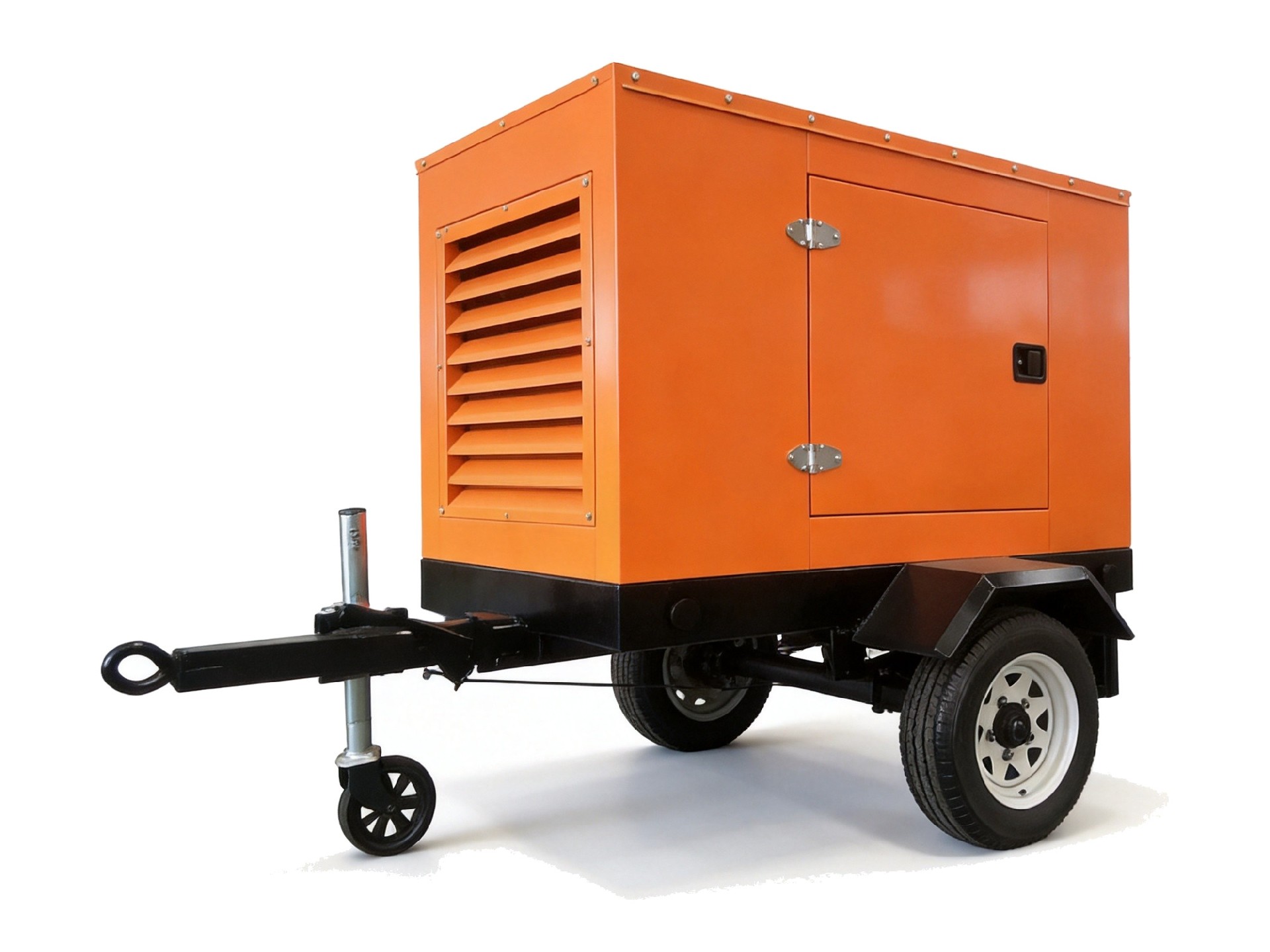
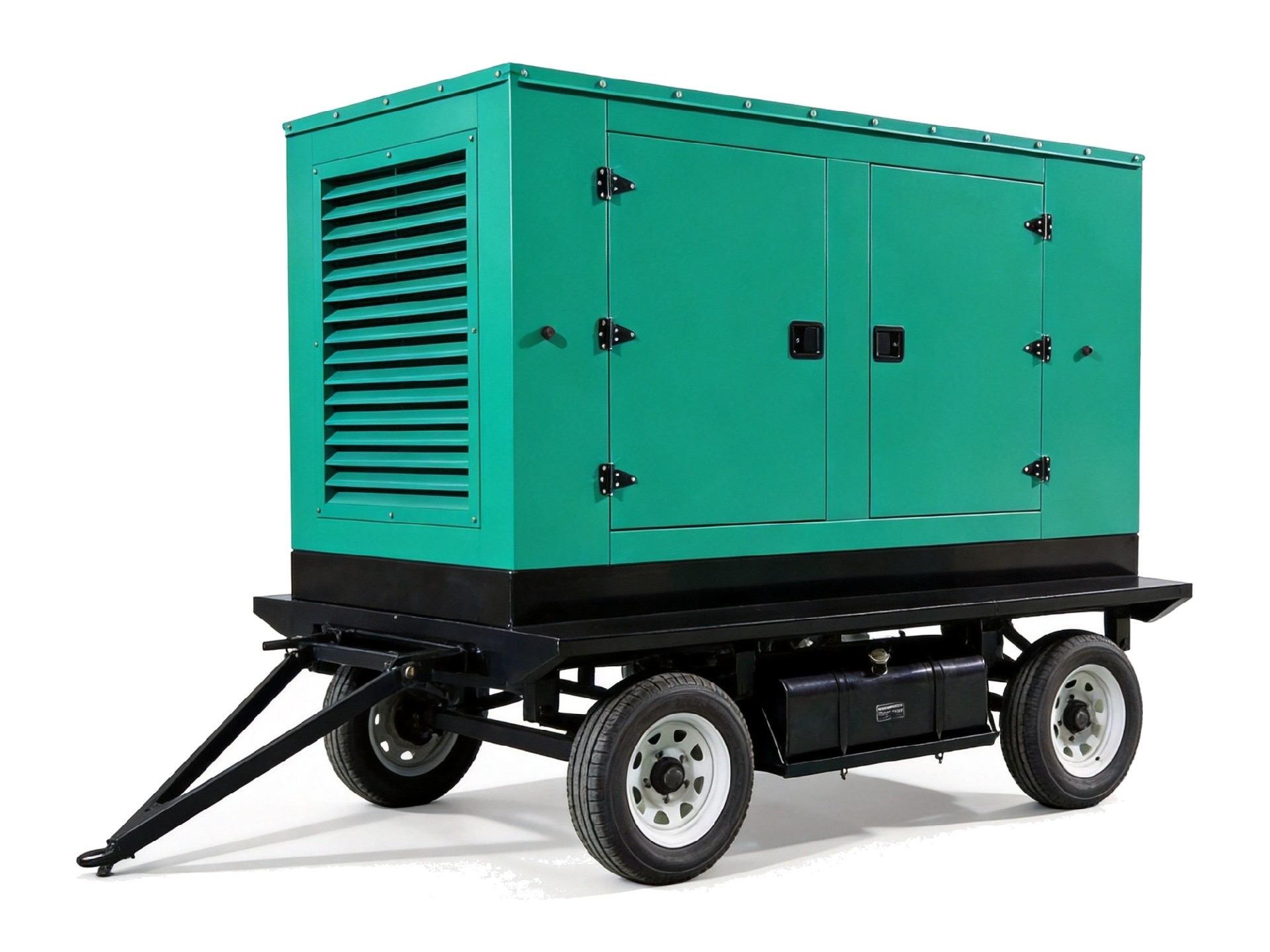
Configuration type also matters. The company’s product range includes open-frame, soundproof, mobile-trailer, containerized, ATS automatic-switching and parallel options. A model’s prime and standby figures alone do not establish which enclosure, switching arrangement or system layout is included. Specify the required equipment and ask the supplier to itemize it in the quotation.
For Saudi Arabia projects, buyers should request confirmation of the exact frequency and voltage, applicable local approvals, site conditions and any required environmental or project documentation. If a high-temperature operating condition is relevant, ask whether a strengthened cooling configuration is available and request its details for the selected model. Do not assume that a particular option or approval is included unless it is confirmed in the written offer.
What to include in a genset inquiry
A complete inquiry can reduce clarification rounds for distributors, EPC contractors and facility teams. Send the supplier:
- Required prime and standby output, in kW and kVA if both are specified.
- A load schedule and a description of how the set will be used.
- Required voltage, frequency and other electrical configuration details.
- Site location and relevant operating conditions, plus room dimensions and access constraints.
- Preferred engine brand or model, if the project has a requirement.
- Required enclosure, ATS, parallel operation or other system options.
- Requested drawings, test documentation, approvals or other submittals.
- The target project schedule and the commercial information needed for evaluation.
Ask the supplier to identify the offered engine configuration, rating basis, dimensions, weight, fuel-consumption basis, included equipment, exclusions and documents in writing. For multiple-engine listings, make sure the offer names the selected alternative; do not assume data for one option applies to another.
Request a project-specific quotation
江苏凯晨电力设备有限公司 lists diesel gensets from small ratings through large industrial outputs, with engine brands including SDEC, Perkins, Cummins, Scania and Yuchai. To evaluate a model for a Saudi Arabia project, provide the duty, load schedule, required voltage and frequency, installation constraints and documentation needs. Request written confirmation of the selected configuration and all project-specific values that are not shown in the model data. The company lists cnkcpower@gmail.com and +86-18012341322 for inquiries.
FAQ
What should I check if a genset shuts down and will not restart?
Check the controller’s fault history first. If an overspeed, high-temperature or low-oil-pressure protection event is recorded, reset the protection manually. If there is no fault code, check the battery and fuel system.
What should I do if the genset reports high coolant temperature?
Reduce the load and let the set run at idle while it cools before stopping it. Check coolant level, radiator blockage, fan-belt condition, thermostat, water pump and room ventilation. Do not add cold water while the engine is hot; wait for it to cool before topping up.
What routine maintenance practices are recommended for a standby genset?
Keep the room ventilated and dry, check oil, water and electrical systems regularly, avoid prolonged overload, and run the set periodically. The supplied guidance recommends a 5–10 minute no-load test each week for standby sets and a loaded test monthly where possible.
Stay Updated with Our News
Subscribe to our newsletter for the latest industry insights and product updates.