
Diesel Generator Sizing for South Africa
Diesel Generator Sizing for South Africa
Diesel generator sizing for South Africa starts with the electrical loads the genset must actually support—not with a model number or a rough estimate of the building’s size. List the loads, identify equipment with high starting demand, establish whether the generator will provide prime power or standby power, and confirm the required frequency and voltage before requesting a quotation. These details are essential because the product examples below have specified power ratings, but their frequency and voltage are not stated in the available model data.
For procurement managers, distributors, EPC contractors and facility engineers, the aim is to define a verifiable duty and installation scope. A suitable rating should support the required operating scenario, while the final configuration must match the site’s electrical system, starting loads and environmental conditions. Use the models in this guide as reference points for comparing available ratings—not as a substitute for a project load assessment.
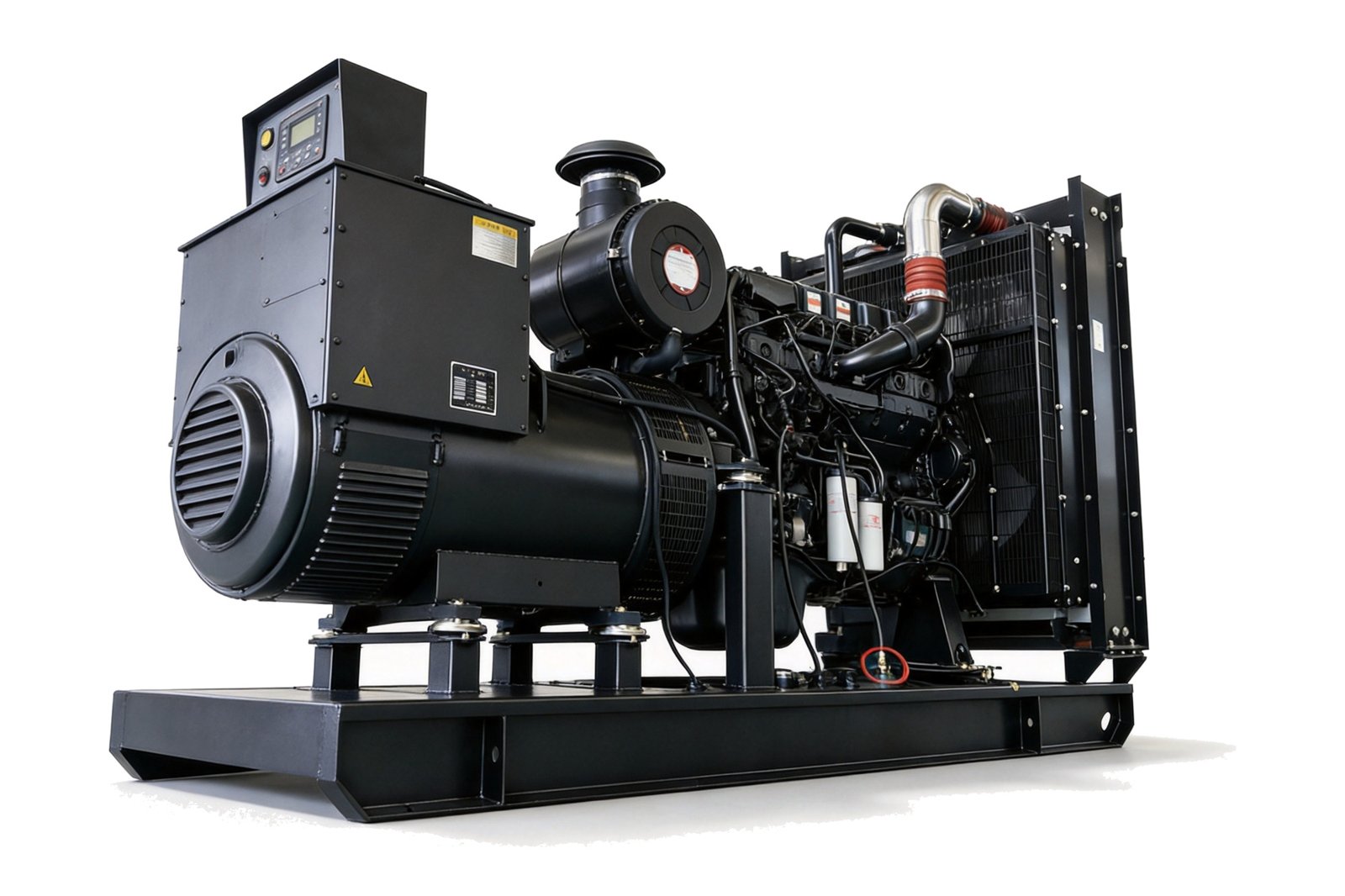
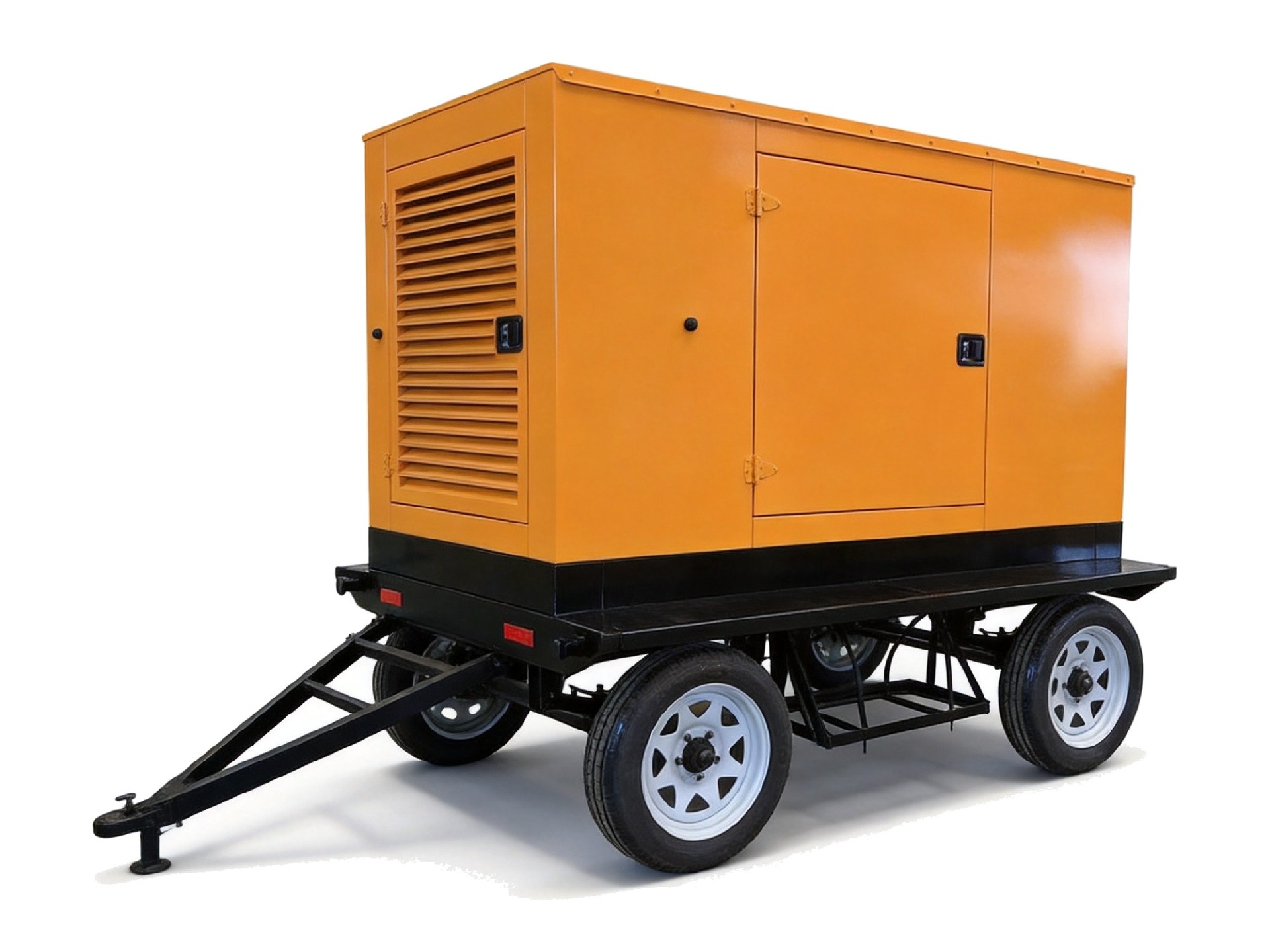
Illustrative generator photo; exact enclosure, frequency and configuration may differ from the model discussed.
Diesel generator sizing for South Africa: start with the load schedule
Build a load schedule before shortlisting equipment. Record the electrical demand of each item that needs generator supply, then separate essential loads from loads that can be excluded or started later. Include normal operating demand and any starting or transient requirements identified by the equipment manufacturers. Motors, pumps and other equipment with significant starting demand deserve particular attention: the running-load total alone may not describe what the generator must handle when equipment starts.
For each load, gather:
- Rated electrical demand, in kW and, where available, kVA.
- Whether it runs continuously, intermittently or only during an emergency.
- Starting method and any documented starting-current or transient requirement.
- Whether it must start at the same time as other large loads.
- Whether it is essential, optional or suitable for staged connection.
Have the project engineer or generator supplier review the schedule and the proposed load sequence. Avoid adding an arbitrary margin without first checking the actual duty and starting requirements. If the planned demand may change, tell the supplier what future loads are expected and ask for a selection based on that defined scenario.
Distinguish prime power from standby power
Choose the rating category to match how the generator will be used. If it is intended to provide power as a regular or ongoing source, request a configuration and rating appropriate to that duty. If it is intended to supply power only when the normal source is unavailable, specify the standby application. Do not treat prime and standby ratings as interchangeable: product listings can give different values for the two categories, and the supplier needs to know which one governs the project.
For example, the Kaichen KC-C280-D is listed at 280 kW prime and 308.0 kW standby. The KC-P72.7 is listed at 72.7 kW prime and 80.0 kW standby. These are model-specific ratings, not a recommendation that either unit fits a particular site. Ask the supplier to confirm the applicable rating for the intended operating profile and load conditions.
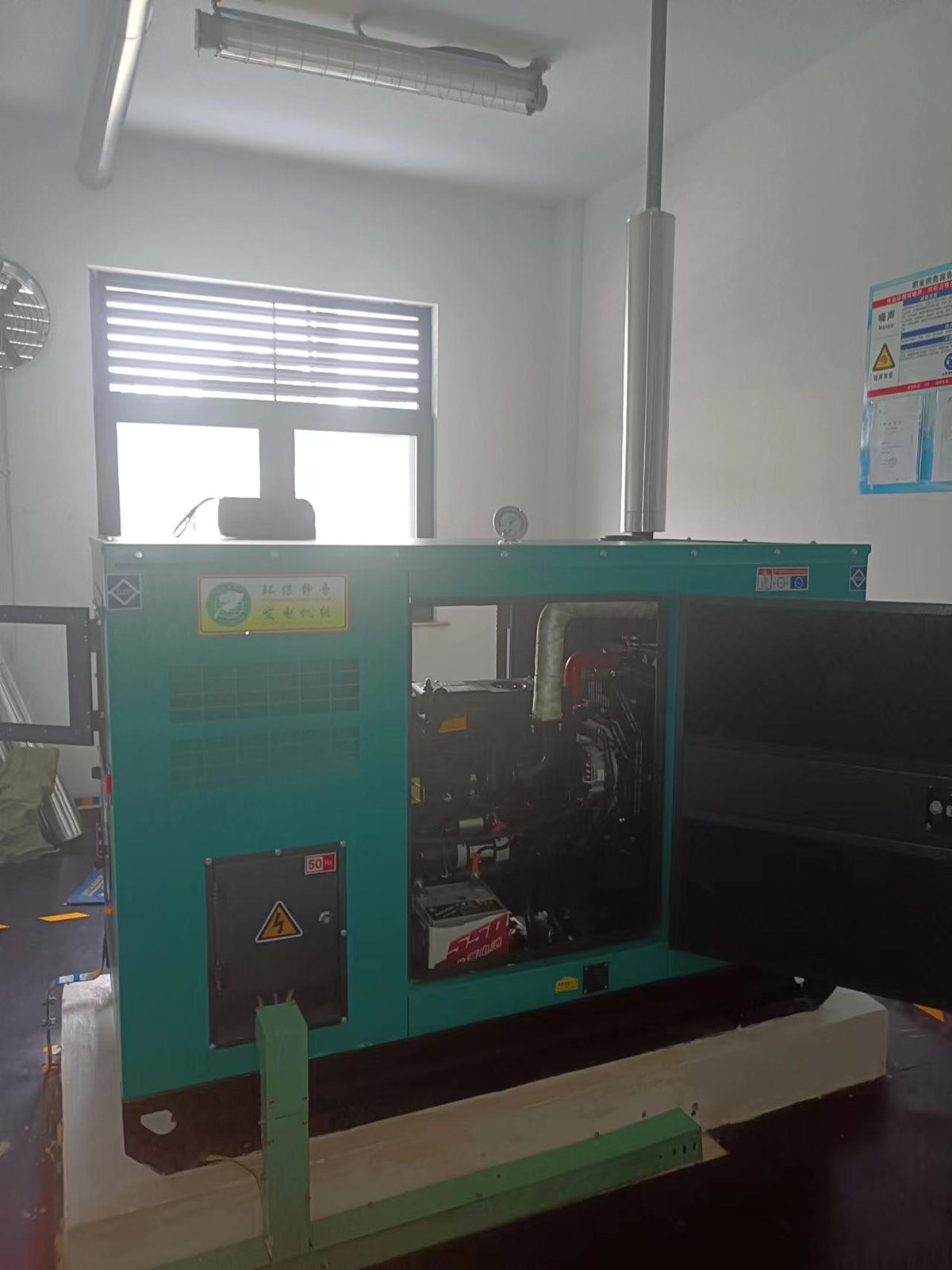
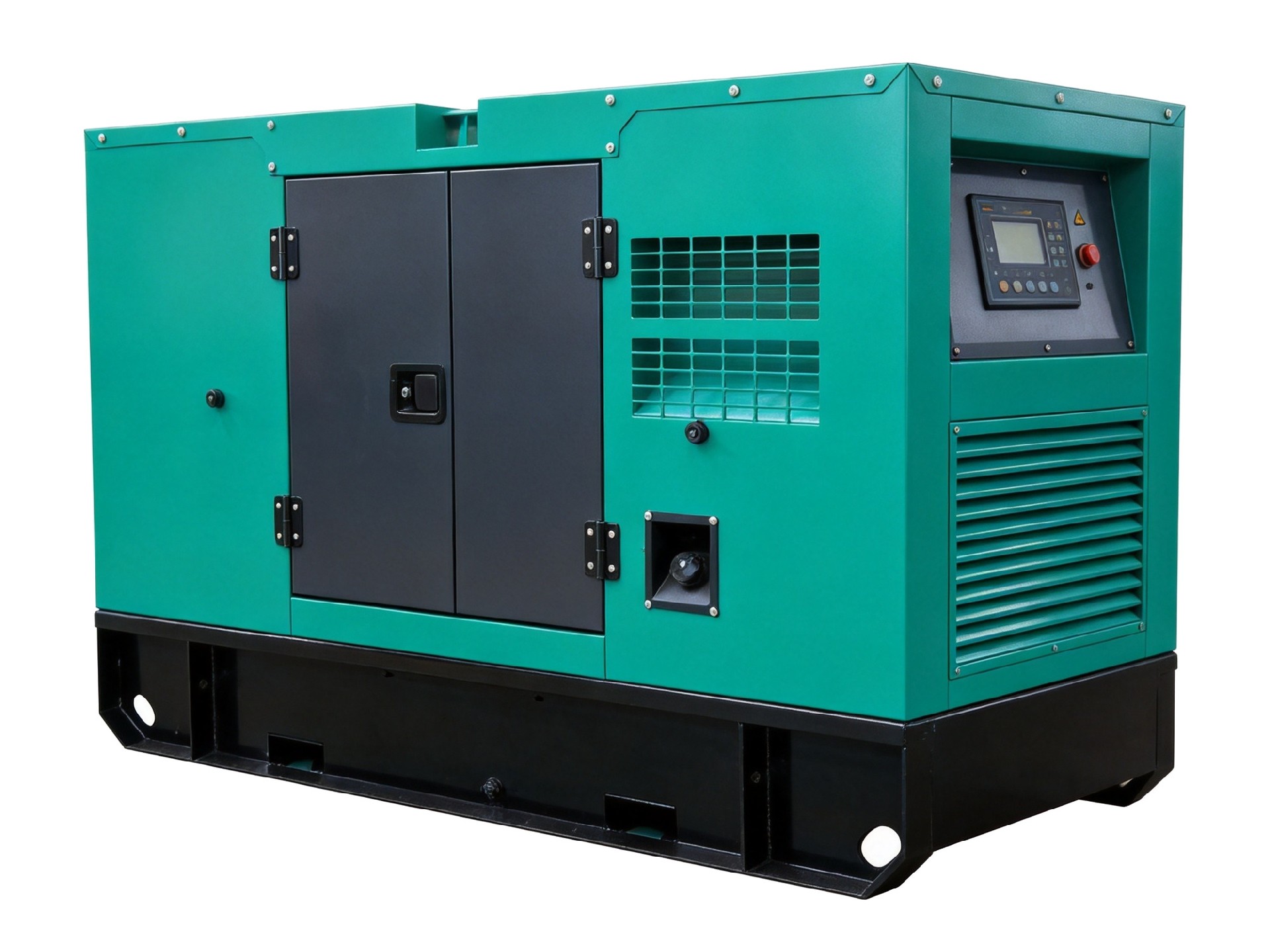
Illustrative generator photo; exact enclosure, frequency and configuration may differ from the model discussed.
Match kW, kVA, frequency and voltage
Compare both kW and kVA when reviewing a generator quotation. A load schedule showing only one measure may not provide enough information for equipment selection, so request the load data and generator rating in the forms needed by the project electrical design. Confirm the required frequency and voltage directly with the supplier: the product data provided for the models in this guide does not specify either value.
For South African projects, give the supplier the site’s required electrical output and ask them to confirm it in writing for the exact model and configuration being offered. Do not infer frequency, voltage, phase, connection arrangement or compatibility from a model name or an engine brand. If the project documents prescribe specific operating or compliance requirements, include those documents in the inquiry and request written confirmation that the proposed configuration meets them.
Also identify site conditions that may affect the selection, such as installation altitude, ambient temperature, ventilation constraints and the location of the equipment. These details should be reviewed for the actual site rather than assumed from a generic product listing.
Example generator ratings to help shortlist a size range
The following diesel gensets illustrate a range of listed prime and standby ratings. They can help buyers frame an initial discussion, but only a load assessment and configuration review can establish suitability for a project.
- KC-S20, SDEC: 20 kW / 25 kVA prime power; 22.0 kW / 27.5 kVA standby power. The listing gives nine engine alternatives: 4Z3.0-G11, 4Z3.0-G21, 4Z2.9-G41, 4Z2.9-G410, 4Z2.7-G12, 3ZT1.1-G41, 4Z2.9-G42, 4Z2.9-G420 and 4Z2.3-G21. Confirm which configuration is being quoted.
- KC-P72.7, Perkins: 72.7 kW / 90.9 kVA prime; 80.0 kW / 100.0 kVA standby. Listed engine model: 1104D-E44TAG1.
- KC-D160, Kaichen own engine: 160 kW / 200 kVA prime; 176.0 kW / 220 kVA standby. Listed engine model: KCD8H217-G3.
- KC-C280-D, Cummins: 280 kW / 350 kVA prime; 308.0 kW / 385 kVA standby. Listed engine model: QSZ10-G12.
- KC-SG400, Scania: 400 kW / 500 kVA prime; 440.0 kW / 550 kVA standby. Listed engine model: DC13 507A 500.
- KC-SG580, Scania: 580 kW / 725 kVA prime; 638.0 kW / 797.5 kVA standby. Listed engine model: DC16 078A 02-44.
- KC-BDY1000, power vehicle: 1,000 kW / 1,250 kVA prime; 1,100.0 kW / 1,375 kVA standby.
- KC-Y3000, Yuchai: 3,000 kW / 3,750 kVA prime; 3,300.0 kW / 4,125 kVA standby. Two engine alternatives are listed: YC16VC4900-D30 and YCC105TA4900-G30. Confirm the selected engine configuration in the quotation.
These examples show why selection should be based on the duty and confirmed model configuration. A higher standby figure does not establish the unit’s suitability for continuous operation, and a listed prime rating does not settle whether the generator can meet a particular motor-starting requirement. Request the complete technical proposal for the intended site and duty.
Check installation, fuel and configuration requirements
Sizing the electrical output is only part of procurement. Confirm that the proposed equipment can be accommodated and integrated at the site. For example, the KC-C280-D is listed with dimensions of 2900×1200×1820 mm and a weight of 3000 kg; the KC-SG580 is listed at 3300×1300×2000 mm and 5080 kg. Those values apply to those specific models only. Obtain confirmed dimensions, weight, lifting points and access requirements for the exact configuration being quoted, and have the installation team check the delivery route and equipment space.
Ask the supplier to state the proposed fuel arrangement and expected operating duration for the project’s load profile. Some listings provide fuel consumption in g/kWh—for example, 200 g/kWh for the KC-C280-D and 192 g/kWh for the KC-SG400—but these figures should not be treated as a site-specific litres-per-hour estimate. Request an estimate based on the selected configuration, actual operating load and the supplier’s stated assumptions.
Specify any required enclosure, controls, automatic transfer equipment or parallel operation as part of the inquiry. Do not assume these are included in a product identified only by its model and power rating. Ask for a configuration list that clearly identifies included equipment, optional items and interfaces required from the project team.
A practical procurement checklist
Before comparing quotations, send each supplier the same information:
- The load schedule, including starting and transient requirements where available.
- Whether the application is prime or standby, plus expected operating hours and load pattern.
- Required kW and kVA, frequency, voltage and any specified electrical arrangement.
- Site altitude, ambient conditions, ventilation and installation-space constraints.
- Required fuel storage or operating duration, enclosure, controls and transfer arrangement.
- Project compliance documents and any required emissions or other approvals; ask the supplier to confirm what applies to the proposed configuration.
- Delivery access, installation scope, commissioning responsibilities and documentation required for acceptance.
Ask suppliers to identify the exact engine and genset configuration, state prime and standby ratings separately, and list every assumption behind their selection. For a multi-engine product listing, confirm which alternative is offered rather than treating the listed engines as a single package. For South Africa procurement, also request written confirmation of the supplied frequency, voltage, applicable documentation, delivery scope and any local installation or service arrangements required by your project.
Request a project-based sizing proposal
A useful generator inquiry includes more than a target kW value. Send the load schedule, duty category, electrical requirements and site conditions, then ask for a proposed model with its exact engine configuration, prime and standby ratings, dimensions, weight, fuel assumptions and included accessories. Ask the supplier to flag any missing information that could change the selection.
Kaichen’s listed range includes diesel gensets from compact ratings through large power-vehicle and high-output configurations. To request a quotation for a South African project, specify the required frequency and voltage rather than assuming them, identify whether the unit is for prime or standby service, and ask the supplier to confirm the configuration and project requirements in writing. This gives procurement and engineering teams a clearer basis for technical review and like-for-like comparison.
FAQ
Can I select a diesel generator using only the total kW of my loads?
Use the total kW as a starting point, not the only selection input. Provide the supplier with kVA where available, equipment starting and transient requirements, load sequence, duty category, and required frequency and voltage. Have the proposed configuration reviewed against the full load schedule.
Why do the generator examples show different prime and standby ratings?
The listed models specify separate prime and standby values. For example, the KC-C280-D is listed at 280 kW prime and 308.0 kW standby. Specify the intended duty and ask the supplier to confirm which rating applies to the proposed operating conditions.
Are frequency and voltage confirmed for the listed models?
No. Frequency and voltage are not specified in the available product data for these examples. Provide the project requirements and request written confirmation for the exact model and configuration before placing an order.
Stay Updated with Our News
Subscribe to our newsletter for the latest industry insights and product updates.